
REVIEW · BINONDO CHINATOWN TOURS
The Oldest Chinatown in Manila with Local Guide
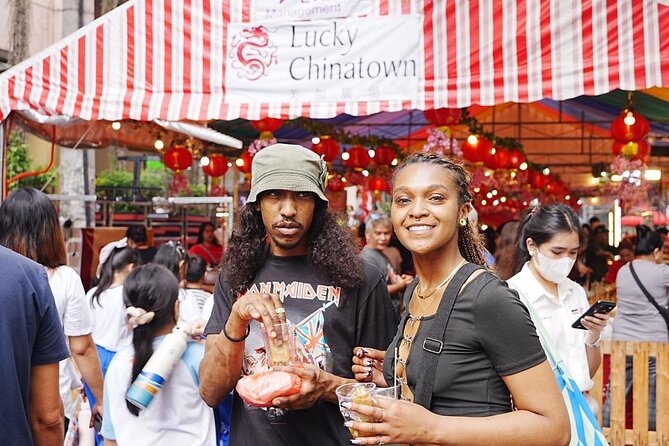
Manila’s oldest Chinatown hits hard with food. On this walk in Binondo, I love how Venus turns centuries-old streets into something you can actually follow, from Chinese temples to everyday markets. You’ll also get a sense of how Spanish colonial and Chinese heritage shaped what you see and taste today.
I especially like the hands-on food part. Expect Chinese-Filipino cuisine stops where you can try a real mix, not just one snack for show, and get tips on what to eat next.
One thing to consider: Divisoria can feel busy and loud, so if you want a quiet, slow stroll, you might want a calmer day plan for the market section.
In This Review
- Key things you should know before you go
- Binondo with Venus: why the walk feels real
- What the tour does well in the first hour
- Your first hour: exploring Chinatown Manila on foot
- Temples, markets, and the Spanish-Chinese mix
- Food stops: what to expect and how to make them work for you
- Divisoria Market: shopping time without the guesswork
- Why Divisoria is worth visiting, even if you do not buy a lot
- The “busy” factor: the one drawback to plan around
- Transport vibes: jeepney and tricycles keep it local
- Price and time: does $55 make sense for this kind of day?
- Timing that fits a lot of itineraries
- Meeting point and end point: plan your day around SM Manila
- What kind of traveler will like this most
- Should you book the Oldest Chinatown in Manila with a Local Guide?
- FAQ
- How long is the Oldest Chinatown in Manila tour?
- What does the tour cost?
- Where does the tour start and where does it end?
- How many people are in the group?
- Is there a mobile ticket?
- Who is the local guide?
- Is there an admission fee for the stops?
- Is the tour near public transportation?
- What is the cancellation policy?
Key things you should know before you go
- Meet in Tondo, end at SM Manila so you can connect to other parts of your day without backtracking.
- Small group size (max 10) keeps the walk friendly and makes it easier to ask questions.
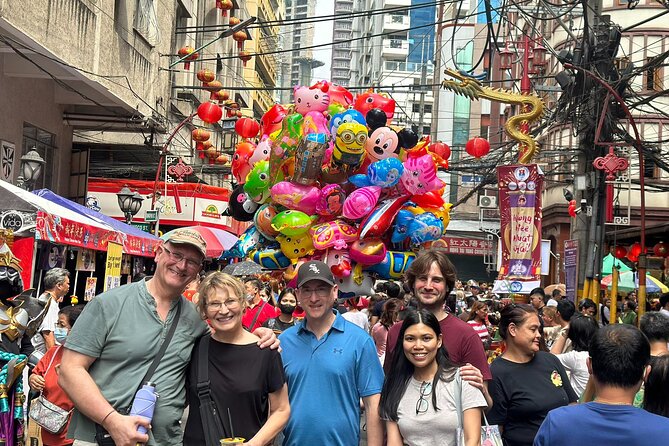
- Local transport energy shows up during the day, with guides taking people on rides like jeepney and tricycles.
- Chinese-Filipino food focus means the tour is built around tasting and not just photos.
- Divisoria Market shopping time gives you a legit chance to browse for bargains and everyday goods.
Binondo with Venus: why the walk feels real
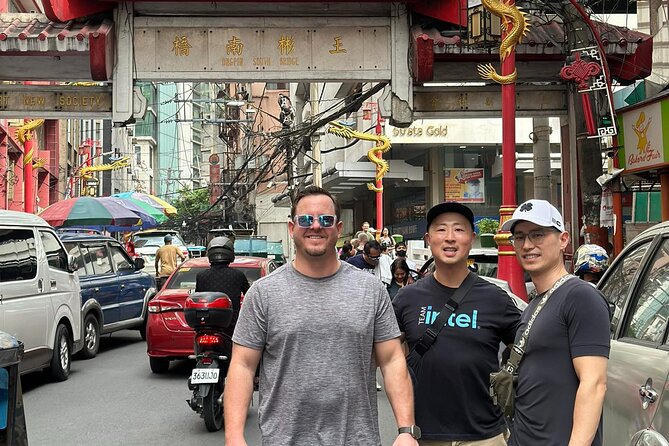
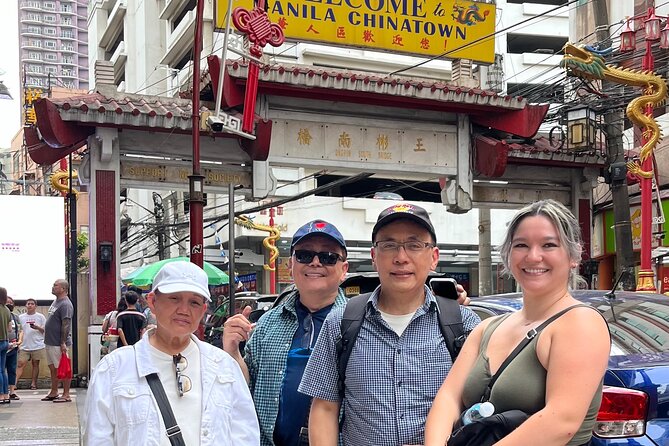
Binondo, Manila’s Chinatown, is one of those places where history isn’t behind velvet ropes. It’s on the street. Old temples sit near storefronts, and daily errands sit next to religious and cultural landmarks. The result is a neighborhood that makes you slow down, point, and ask, what is that, and why is it here?
What I like about doing this with Venus is that you’re not left to decode everything yourself. She’s the kind of guide who uses the street as your map. When you’re walking past temple gates, food stalls, and shop-lined alleys, you get context for how Chinese and Filipino influences mixed over time, instead of just seeing “cool buildings” and moving on.
This is also a practical tour style. It’s about 2 hours, and it’s built around getting you from sight to taste, and taste to shopping. With a small group of up to 10, you’re not stuck at the back while everyone else gets answers.
More Binondo Chinatown walks:
- Manila: Intramuros, Chinatown, and Old Manila Half-Day Tour
★ 5.0 · 37 reviews - Intramuros & Chinatown Manila Tour – Walking, Food & Culture
★ 4.5 · 32 reviews - Manila: Binondo Walking Tour ( Oldest Chinatown )
★ 5.0 · 30 reviews
What the tour does well in the first hour
Your first stop centers on Binondo and Chinatown street life. You’ll walk through the area, guided through scenes like traditional Chinese temple spaces alongside everyday markets. The point is to understand how the neighborhood’s culture shows up in real life, including the food.
From the feedback I’m using here, the food portion isn’t a quick afterthought. People specifically highlight that Venus stopped at strong stalls and served a broad, satisfying spread. One person even described it as a return to childhood flavors. That tells me you’re not just sampling one popular street bite. You’re eating in a way that feels like a local day out.
Your first hour: exploring Chinatown Manila on foot
Binondo is the kind of district where the “main street” is never the whole story. The best parts often sit a few steps off the main flow, down alleys and past small counters that look too ordinary to be impressive, until you start looking closer.
With Venus as your guide, you’re meant to see that evolution in action. The tour’s design pushes you to notice how the food culture and shop culture evolved through a Chinese-Filipino blend, rather than treating Chinatown as a single frozen time period. You get a walking expedition style, with a local guide leading you to the spots where people actually go.
Temples, markets, and the Spanish-Chinese mix
One of the most useful things you can learn in Binondo is how Manila’s layers overlap. You’ll see Chinese temple influence directly, but you’ll also get that wider Manila context through what’s nearby and how people use the space.
The tour description also flags the Spanish colonial and Chinese heritage blend. You can feel that in the way the area has both religious landmarks and commercial rhythms. The practical takeaway for you is simple: don’t rush this hour. If you speed through, you’ll miss why the street looks the way it does.
A few more Luzon trips to compare
- Batad Guided Tour
★ 5.0 · 78 reviews - The Hidden Gems of Manila Guided Tour
★ 5.0 · 42 reviews - Manila Intramuros Walking tour with Local Tour Guide
★ 5.0 · 33 reviews - Manila Hidden Gems with local guide
★ 5.0 · 27 reviews
Food stops: what to expect and how to make them work for you
The tour is built around tasting Chinese-Filipino cuisine at well-known places in the area. Reviews specifically mention good food, a wide variety of Filipino food, and plenty of it. That’s a good sign for your stomach plan.
To make the most of it, I suggest you do two things before you meet:
- Eat lightly earlier in the day so you enjoy the samples instead of playing food catch-up.
- Bring a curious mindset. Street food makes more sense when you’re willing to ask what something is and how it’s usually eaten.
You’ll also pick up shop and food guidance along the way. One review notes that Venus suggested bars and night clubs, which tells me she has broader instincts for where to go after your daytime walk. Even if your schedule is tight, that’s still a helpful kind of tip because it keeps you from guessing later.
Divisoria Market: shopping time without the guesswork
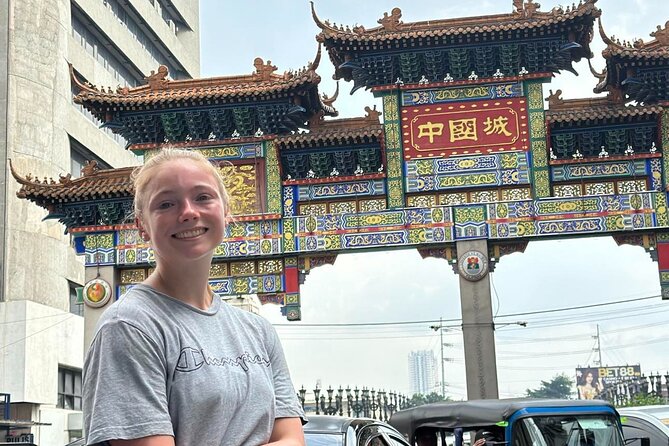
After Binondo, the tour shifts into Divisoria Market. This is Manila’s deal-browsing zone, the place you go when you want lots of choices and you want prices to feel like they’re competing with each other.
Divisoria is described as a popular destination for bargain shopping, and the categories you can expect include clothing and accessories, home décor, and electronics. That mix matters, because you can get something practical even if you’re not shopping like a full-time retail addict.
Why Divisoria is worth visiting, even if you do not buy a lot
A market like Divisoria is more than souvenirs. It’s where Manila’s everyday commerce shows up. Even if you plan to purchase just one or two items, the point is to understand what’s available and how people shop.
Also, for many first-time visitors, Divisoria is intimidating on your own. The tour format helps you spend your time efficiently, rather than wandering for an hour and leaving with the feeling that you saw a single street and nothing more.
The “busy” factor: the one drawback to plan around
Here’s the trade-off. Divisoria can feel hectic. If you prefer calm, controlled shopping, the energy might not be your favorite part of Manila. The good news is that you have a guide, and you’re not expected to do everything alone.
If you’re sensitive to crowds, I’d recommend you keep your expectations realistic. You’re there for browsing and a taste of local market life, not for a peaceful walk with perfect photos.
Transport vibes: jeepney and tricycles keep it local
One of the strongest themes in the feedback is the role of local transport during the day. Multiple people mention riding options like jeepney and tricycles, and at least one mention includes tuk tuk-style rides.
That matters because it changes the feel of the tour. Instead of only walking between sights, you get to experience how people actually move around the city. It also breaks up the day, so you’re not stuck with nonstop pavement.
Just keep in mind that transport details can vary by route and timing. The reliable part is the intention: you’re meant to see Manila as a working city, not only as a sightseeing corridor.
Price and time: does $55 make sense for this kind of day?
The price is $55 per person for about 2 hours, with a mobile ticket and a maximum group size of 10. You’re also getting guided time in two major areas: Binondo and Divisoria, with food as a clear centerpiece.
Is that good value? For a guided, food-focused Chinatown and market combo in central Manila, it looks fair, especially because:
- You’re paying for local knowledge through a guide named Venus.
- You’re not just walking landmarks. You’re doing Chinese-Filipino food stops.
- You get small group attention, which is useful when you want to ask what you’re eating or what you should try next.
If your priority is purely sightseeing from street corners, you might find cheaper ways to explore. But if you want the “eat and understand” version of Manila, this format is built for that, and the reviews back up that the food part is satisfying.
Timing that fits a lot of itineraries
Two hours is a sweet spot. It’s long enough to feel like you got somewhere, short enough to pair with other plans. For instance, you might use the day’s location flow to do other central sights afterward, because the tour ends near SM Manila and Manila City Hall.
Meeting point and end point: plan your day around SM Manila
The start is in Tondo, Manila, Metro Manila. The end is at the Samsung Experience Store, SM Manila, on the 3rd floor, on San Marcelino Street in Ermita. The note also says the end point is near Manila City Hall.
That matters because SM Manila is a practical anchor. If you’re planning a second activity, you’re less likely to waste time traveling back toward your next destination.
If you’re staying in the area, this tour can also be a good “starter” day. Chinatown plus a market gets you acclimated to the city’s rhythm quickly, and then you can branch out.
What kind of traveler will like this most
This tour suits you if you want:
- A food-focused walkthrough of Binondo’s Chinatown culture
- A guide-led way to understand what you’re seeing
- A market stop at Divisoria to browse for common shopping categories like clothing, home décor, and electronics
- Small group energy and a guide who can help with next-step ideas
It might not be ideal if:
- You want a quiet, low-noise schedule
- You dislike crowded markets and fast-moving shopping areas
Should you book the Oldest Chinatown in Manila with a Local Guide?

I’d book it if your Manila plan includes eating and learning at the same time. The strongest reason is simple: the tour is designed around food and local guidance in Binondo, and that’s where the best feedback lands, especially when it comes to Venus finding great stalls and serving a real variety.
I’d also lean yes if you like seeing Manila by mixing street walking with local transport. That’s the kind of detail that turns a standard Chinatown visit into a more lived-in experience.
Book it with a small-market mindset for Divisoria. Go in ready to browse, not ready to have a peaceful stroll. If that fits you, this is a solid value way to spend about two hours in one of Manila’s most important neighborhoods.
FAQ
How long is the Oldest Chinatown in Manila tour?
It runs for about 2 hours (approx.).
What does the tour cost?
The price is $55.00 per person.
Where does the tour start and where does it end?
The tour starts in Tondo, Manila. It ends at the Samsung Experience Store, SM Manila (3rd floor), San Marcelino St, Ermita, near Manila City Hall.
How many people are in the group?
This tour has a maximum of 10 travelers.
Is there a mobile ticket?
Yes, you receive a mobile ticket.
Who is the local guide?
Venus is listed as the expert guide for the experience (Manila Experience, V.S Tour Services).
Is there an admission fee for the stops?
Admission ticket is listed as free for the stops.
Is the tour near public transportation?
Yes, it is near public transportation.
What is the cancellation policy?
You can cancel for a full refund up to 24 hours before the experience start time. If you cancel less than 24 hours before, the amount paid is not refunded.
Freshly added in Luzon
- Skip the Line: Villa Escudero Plantation & Resort Day Pass Ticket★ 4.5 · 11 reviews
- Intramuros Walking Tour: Explore the Manila’s Walled City|Private★ 5.0 · 9 reviews
- Villa Escudero Tour with Lunch From Manila (SHARED)★ 5.0 · 5 reviews
- The Jeepney & Tuk Tuk Adventure ride with Local Guide★ 4.5 · 4 reviews
- Private Filipino Cooking Class in the Heart of Manila,Makati City★ 5.0 · 5 reviews
- Villa Escudero Coconut Plantation Day Trip from Manila★ 3.5 · 9 reviews
- Angeles City / Clark Airport to La Union (Bauang, San Fernando, San Juan)★ 3.5 · 4 reviews
- Manila ATV Mountain Trail Adventure(with Transfers***)★ 4.5 · 19 reviews
Binondo Chinatown Tours, compared.
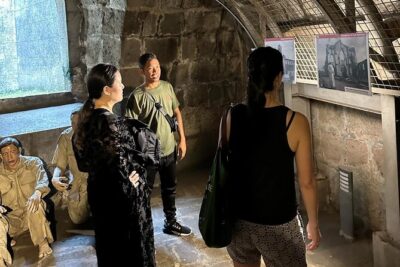
Manila: Intramuros, Chinatown, and Old Manila Half-Day Tour
Read our review →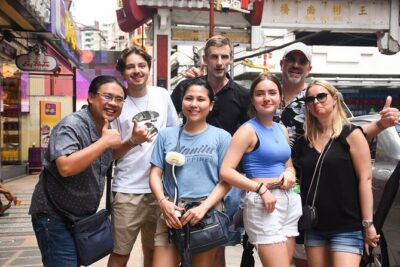
Manila Food Tour: Explore World’s Oldest Chinatown
Read our review →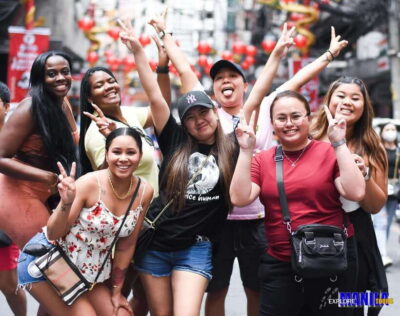
Manila: Guided Food Tour of Binondo with Tastings
Read our review →Manila: Intramuros, Chinatown, and Old Manila Half-Day Tour
Read our review →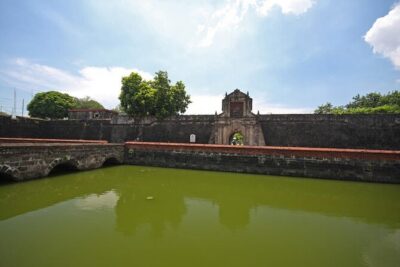
Intramuros & Chinatown Manila Tour – Walking, Food & Culture
Read our review →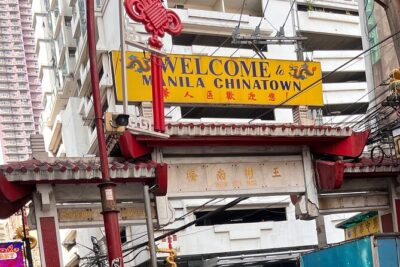
Manila: Binondo Walking Tour ( Oldest Chinatown )
Read our review →
Browse the lists this tour appears in