
REVIEW · COOKING CLASSES
Private Filipino Cooking Class in the Heart of Manila,Makati City
Cooking Filipino food feels personal fast. This private class in Makati City turns a meal into a story, with a certified nutritionist wellness chef guiding you through Filipino ingredients and techniques in a real home kitchen. I love the hands-on two-dish format and the way you learn what the ingredients are doing, not just how to cook. One thing to consider: there is no hotel pickup, so you’ll need to get yourself to the meeting point near Rockwell.
You’ll likely start with either a quick hop to the Guadalupe public market (if you pick that option) or straight into cooking at Cinty’s spacious kitchen. Then you make two dishes from scratch, sit down to the meal you cooked, and you can choose vegetarian, vegan, lactose free, or gluten free options in advance.
In This Review
- Key Highlights You Should Know
- Why This Makati Cooking Class Feels Different Than Restaurant Food
- Meeting Point at Wildflour Rockwell, Then Into Cinty’s Kitchen
- Guadalupe Public Market Option: Fresh Ingredients, Real Manila Energy
- From Appetizer to Dessert, You’ll Learn Two Dishes From Scratch
- Technique Lessons That Actually Help You Cook Later
- What You Eat: A Traditional Home Meal, Beer or Wine Included
- Dietary Options: Vegan, Vegetarian, Lactose Free, Gluten Free
- Price and Value: Is $110 Per Person Worth It?
- Who This Cooking Class Suits Best
- Quick Tips to Make Your Class Smoother
- Should You Book This Private Filipino Cooking Class in Makati?
Key Highlights You Should Know
- Private class in a home kitchen with Cinty guiding you step-by-step
- Optional Guadalupe market visit for hands-on ingredient shopping
- Two dishes from scratch using classic Filipino techniques you can repeat later
- Dietary options available, including vegetarian, vegan, lactose free, and gluten free
- Meal included with local beer or wine, served as a traditional home-style experience
Why This Makati Cooking Class Feels Different Than Restaurant Food
Makati already has great places to eat. Still, a cooking class changes your relationship with the food. Here, you’re not ordering your way through the menu. You’re learning the logic behind Filipino flavor, from sour, savory, braised, and fried notes to the way ingredients balance each other.
This experience is led by Cinty, a host who brings both culinary skills and nutrition certification into the lesson. That combo matters. You get practical technique, plus the “why” behind seasoning, ingredients, and portions, which is especially helpful if you care about eating well, not just eating big.
The format is simple and satisfying. You’ll cook two dishes from scratch, then you’ll share the meal you made. It’s the kind of setup that makes the time feel worth it, even though the class is only about three hours.
One more plus: the menu is adaptable. If you’re eating vegetarian, vegan, lactose free, or gluten free, you can discuss that ahead of time, and Cinty can accommodate. That reduces the common problem where cooking classes turn into guesswork for people with restrictions.
More City Tours in Luzon:
- Manila’s Walled City: Intramuros Walking Tour
★ 5.0 · 82 reviews - Intramuros Walking Tour: Explore the Manila’s Walled City|Private
★ 5.0 · 9 reviews - Manila Nightlife And Pub Crawl Tour Makati City
★ 4.5 · 6 reviews
Meeting Point at Wildflour Rockwell, Then Into Cinty’s Kitchen
You meet at Wildflour Restaurant, Rockwell at the ground floor of 8 Rockwell Center, Plaza Dr, Makati City. The activity ends back at the same meeting point, so the day feels contained. There is no hotel pickup and drop-off, so you’ll want to plan your own transport to Rockwell.
Once you arrive, Cinty takes over the flow. If you chose the market option, you’ll head out first for ingredient shopping. If not, you’ll go straight into cooking at her home kitchen. In both cases, the teaching stays hands-on, not sit-and-watch. You’ll learn techniques while you cook, and you’ll get time at the end to eat what you made.
Because the class is private, you’re not competing with other people for attention or tools. That’s a real quality-of-life improvement for cooking, especially when you’re trying to understand how a sauce should look or how long something should simmer.
Guadalupe Public Market Option: Fresh Ingredients, Real Manila Energy
If you can spare the extra step, I think the market option is the smartest add-on. You visit Guadalupe public market in Makati, a major wet market where stalls sell fresh meat, seafood, vegetables, and fruits. It’s only about a 7-minute drive from Cinty’s home, so it doesn’t swallow your schedule.
In a market visit like this, the value isn’t shopping for souvenirs. It’s learning ingredient selection. You’ll walk around the market area, then Cinty will take you to her favorite sellers to buy what you need for your cooking class. That guidance matters, because wet markets can be overwhelming if you don’t know what to look for.
This is also where you start to understand Filipino flavor building blocks. You’re seeing things like sour ingredients, aromatics, and vegetables before they become part of a dish. Then, later in the kitchen, those same ingredients make more sense.
There’s also a cultural payoff. A wet market in Makati is everyday life, not a performance. You get a quick window into how people in the city actually shop and cook.
From Appetizer to Dessert, You’ll Learn Two Dishes From Scratch
The class is built around cooking two dishes from scratch. The exact menu can vary by season, but you’ll still get the same core structure and skill focus.
You’ll either make:
- an appetizer plus a main dish, or
- a main dish plus dessert
Classic options you might cook include Filipino favorites like adobo and sinigang. Adobo is the kind of dish that teaches you braising and flavor concentration. Sinigang is where you learn sour and savory balance using tamarind-style tang. Even if your exact dishes differ, those examples show the range of Filipino techniques the class uses.
Here’s what I like about this “two dishes” setup from a learning perspective. You’re not just mastering one plate. You get practice with more than one cooking method and flavor direction. You also get enough time to understand a dish end-to-end, from prepping ingredients to tasting and adjusting.
In the home kitchen, you’ll work alongside Cinty, and she explains ingredient details as you go. In reviews, people praise that she provides history and practical context about ingredients, which is exactly what helps the recipes stick in your head after you leave.
For you, the key benefit is transferability. Once you understand how a Filipino sour soup firms up or how a braise builds depth, you can cook variations later without needing someone next to you.
More Cooking Classes in Luzon:
- Manila Filipino Cooking Class: Meryenda Favorites
★ 5.0 · 80 reviews - Private Filipino cooking class in a local Manila Home
★ 5.0 · 28 reviews - Private Market Tour and Filipino Cooking Class in Manila with Isi
★ 4.5 · 15 reviews - Makati: Hands on Manila Cooking Class
★ 5.0 · 49 reviews
Technique Lessons That Actually Help You Cook Later
This isn’t a vague “watch and taste” experience. You’re learning techniques that show up across Filipino cooking. You’ll handle core prep steps, cook with the right timing, and learn how the dish should look and smell as it forms.
A few skill areas this class naturally teaches:
- Building flavor with aromatics and seasonings before adding liquids
- Understanding how soups and braises change as they simmer
- Knowing when something is ready by texture, not just minutes
- Getting comfortable adapting dishes when you have dietary restrictions
Cinty’s nutrition background also adds a thoughtful layer. You’re not just chasing heavy flavor. You’re learning how to make dishes that fit different dietary needs, and you’ll be better equipped to choose ingredients and portions if you care about wellness.
And if you’re not cooking for yourself back home very often, that’s fine. The class is private, personalized, and designed to walk you through. You’ll leave knowing more than how to copy one recipe. You’ll understand the method.
What You Eat: A Traditional Home Meal, Beer or Wine Included
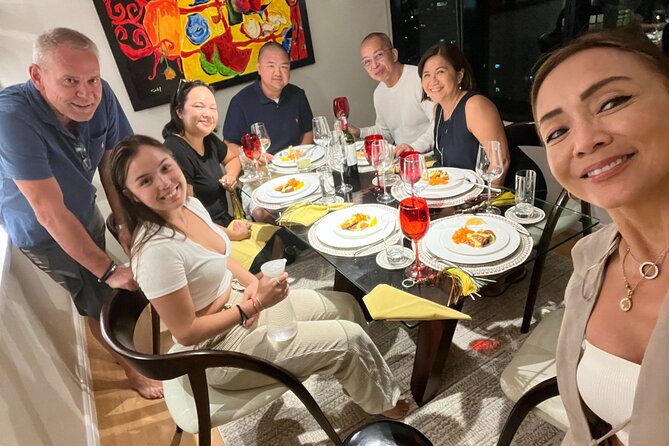
After cooking, you sit down to enjoy the Filipino delicacies you helped prepare. This is one of the biggest value points of the experience. You don’t pay for two hours of teaching and then eat somewhere else hoping your hunger is solved.
The meal is served as a traditional home-style experience. It also comes with local beer or wine, which adds to the fun without turning the meal into a formal event. For some people, that’s part of the charm. For others, it’s optional enjoyment that makes the meal feel special.
If you’re thinking about lunch versus dinner, it’s set up so the home meal fits either timing. You’ll want to check what session you book based on your schedule, but the structure stays the same: cook together, then eat together.
The biggest takeaway is that the food tastes like what you’d expect from a home kitchen, not a restaurant line. You’ll likely recognize the dishes once they’re on the table, especially if you chose a menu featuring adobo or sinigang style flavors.
Dietary Options: Vegan, Vegetarian, Lactose Free, Gluten Free
This is a class that takes dietary needs seriously, as long as you tell them ahead of time. The experience explicitly notes options for vegetarian, vegan, lactose free, and gluten free diets, and Cinty can accommodate when you advise at booking.
That advance notice is important. It’s what allows her to tailor what you cook so the final meal still works as a complete dish, not a patchwork plate.
In practical terms, here’s what you should do:
- Share allergies, dietary restrictions, and preferences when you book
- Mention what you avoid, not just what you like
- Ask for guidance on what substitutions will be used, if you’re unsure
The class can include traditional dishes and also vegan or vegetarian alternatives. That means you still get to learn Filipino techniques while adjusting for your needs.
For me, the reassurance here is that the accommodation is built into the class design, not added later as an afterthought.
Price and Value: Is $110 Per Person Worth It?
At $110 per person for about three hours, this is not a budget activity. But the value comes from what you’re actually getting.
You are paying for:
- a private, personalized cooking lesson
- hands-on instruction from Cinty
- two dishes cooked from scratch
- a home cooked meal included
- alcoholic beverages (local beer or wine)
- all taxes, fees, and handling charges
- gratuities included (so you’re not scrambling at the end)
When you break it down, the class feels less like buying instruction and more like buying an experience where you eat the outcome. That’s the part many cooking classes miss. Here, the meal is part of the product.
If you skip the market option, you’re still getting a complete cooking and eating experience. If you add the market visit, you get a real Manila shopping moment and ingredient guidance, which often makes the lesson feel more meaningful.
One more point: it’s commonly booked about 40 days in advance. That’s a clue that the best slots can fill up. If your dates are fixed, you’ll want to book early.
Who This Cooking Class Suits Best
This experience fits best if you want more than food photos. It’s ideal for:
- Food lovers who want to cook, not just taste
- Travelers who like cultural context, especially about ingredients
- Anyone who has dietary needs and wants a cooking class that can adapt
- People who prefer a calm, private setting over crowds
It’s also a good choice if you’re staying in or around Makati, since the meeting point is near Rockwell and the activity stays centered there.
If you’re the type who hates kitchen time, this might not be your match. This class is hands-on by design. You will cook, taste, and learn through doing.
Quick Tips to Make Your Class Smoother
A few small things will help you get the most out of the session:
- Plan transport to Rockwell yourself since there is no hotel pickup
- If you want the market option, wear shoes you can walk in comfortably
- Tell Cinty about allergies and dietary restrictions when you book so the menu can be tailored
- Come with an appetite. The meal you cook is part of the experience, and it’s not just snacks
- If you care about specific dishes, mention your preferences when you book, since the menu can vary by season
Also, if you enjoy learning ingredient choices, the Guadalupe market visit is your friend. It turns the class into a full loop, shop first, cook second, eat third.
Should You Book This Private Filipino Cooking Class in Makati?
If you want a high-touch, home kitchen experience in Makati City, I think this is a strong booking. The best reason is also the simplest: you learn and you eat what you make, with Cinty teaching both cooking technique and ingredient context. Add the market option and you get even more value through guided ingredient shopping.
Book it if:
- you want hands-on cooking with a private host
- you want Filipino staples like adobo or sinigang style techniques
- you need vegan, vegetarian, lactose free, or gluten free options
- you’d rather spend your time cooking than hunting for the perfect restaurant
Skip it if:
- you expect a passive, sit-down experience
- you don’t want to manage your own transport to the meeting point
- you’re looking for a super-low-cost activity
Bottom line: for $110, you’re paying for instruction plus a complete meal, guided in a way that respects dietary needs. That combination is what makes this class feel practical and worth your time in Manila.
Freshly added in Luzon
- Skip the Line: Villa Escudero Plantation & Resort Day Pass Ticket★ 4.5 · 11 reviews
- Intramuros Walking Tour: Explore the Manila’s Walled City|Private★ 5.0 · 9 reviews
- Villa Escudero Tour with Lunch From Manila (SHARED)★ 5.0 · 5 reviews
- The Jeepney & Tuk Tuk Adventure ride with Local Guide★ 4.5 · 4 reviews
- Villa Escudero Coconut Plantation Day Trip from Manila★ 3.5 · 9 reviews
- Angeles City / Clark Airport to La Union (Bauang, San Fernando, San Juan)★ 3.5 · 4 reviews
- Manila ATV Mountain Trail Adventure(with Transfers***)★ 4.5 · 19 reviews
- VILLA ESCUDERO DAY TOUR with Carabao Cart Ride and Bamboo from Manila★ 4.0 · 6 reviews
Cooking Classes, compared.
Manila Filipino Cooking Class: Meryenda Favorites
Read our review →
Private Filipino cooking class in a local Manila Home
Read our review →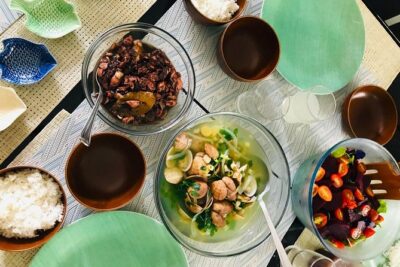
Private Market Tour and Filipino Cooking Class in Manila with Isi
Read our review →
Browse the lists this tour appears in