
REVIEW · BINONDO CHINATOWN TOURS
Manila Food Tour: Explore World’s Oldest Chinatown
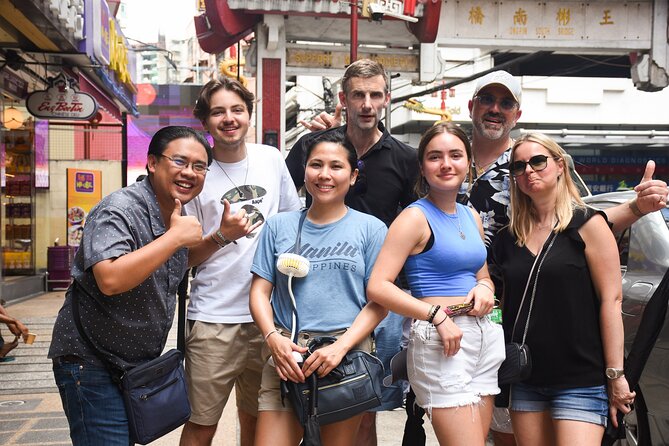
A world-class food tour starts with one question: where do you actually eat? This 3-hour Binondo Chinatown food walk takes you to the places that locals rely on, from fresh lumpia to hopia, with a guide who keeps things moving and makes the history make sense. The main catch, for me, is that it is not suitable for vegans, so plan around that if you have strict dietary rules.
I like how this tour is built for value and sanity. You get a small-group format, you try multiple sweet and savory bites, and the rest of your day is free to explore Manila at your pace. If you are coming on a warm day, bring walking shoes, because the route is not a sit-and-sip affair.
In This Review
- Key things that make this tour worth your time
- Why Binondo is the right place for a food tour
- Meeting at Binondo Church, then walking the food beats
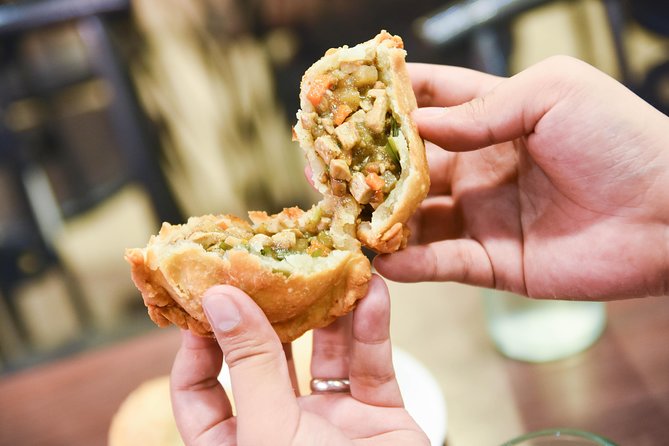
- Carvajal Street flavors: lumpia and Kuchay Ah Pie
- Dumplings as the main event: handmade and worth the line
- Mami noodle soup: Filipino comfort with Chinese roots
- Dim sum stop: classic, ordered, and cooked for a crowd
- Hopia finale at a historic bakery: flaky, sweet, and satisfying
- Food tour math: why $60 makes sense in this setup
- What to bring and how to avoid a food coma
- How the guides shape the experience (and why it matters)
- Who should book this Binondo Chinatown food tour
- Should you book this Manila Chinatown food tour?
- FAQ
- How long is the Manila Food Tour in Binondo?
- Where is the meeting point for the tour?
- How much does the tour cost?
- What kinds of food are included?
- Are drinks included?
- Is the tour suitable for vegans?
- How many people are in the group?
- Is private transportation included?
- Can I cancel and get a full refund?
Key things that make this tour worth your time
- Small-group format so you are not waiting around for your turn
- 8 food stops that mix street snacks with proper restaurant tastings
- Binondo Church start point that makes it easy to find your guide fast
- Dumplings + dim sum sequence so you can compare styles in a single run
- Hopia finale at a historic bakery, so you end on a sweet note
- Drinks included (soda, tea, water, and bottled water) to keep the pace comfortable
Why Binondo is the right place for a food tour
Manila’s Chinatown, Binondo, is one of those areas where food tells a real story. Chinese-Filipino flavors are everywhere, but you can miss the best bits if you try to wing it. This tour is a shortcut to the good stuff, with a route that threads classic Binondo landmarks and famous comfort foods in a way that actually helps you understand what you are eating.
I also like the balance of the menu. You do not just get one type of snack. You move from crispy and handheld treats into dumplings, noodle soup, dim sum, and then a proper pastry finish. That mix makes it fun even if you think you already know what Chinese food is supposed to taste like.
And the pacing is built for the kind of hunger that makes travel days better. It is about three hours, then you are done. That matters because it gives you your afternoon back, instead of locking your whole day into eating.
More Food Tours in Manila
- Manila: Street Food and Drinks Walking Tour with Tastings
★ 4.8 · 114 reviews - Manila: Sightseeing and Food Walking Tour with Tastings
★ 4.7 · 68 reviews - Manila’s Culinary Expedition: The Ultimate Food and Market Tour
★ 5.0 · 42 reviews
Meeting at Binondo Church, then walking the food beats
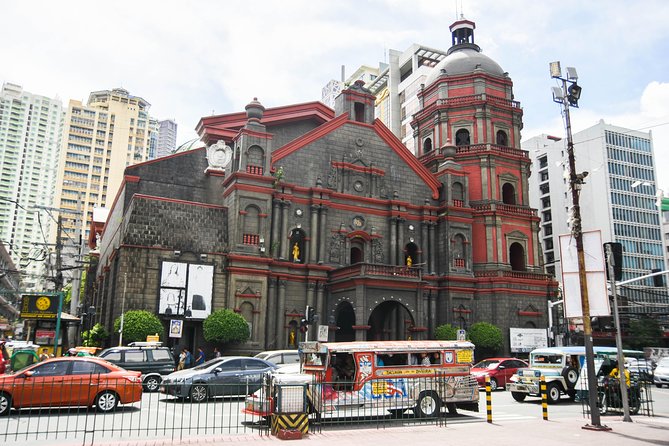
Your tour starts at the Minor Basilica and National Shrine of Saint Lorenzo Ruiz (Binondo Church), at 1006 Plaza Lorenzo Ruiz, Binondo, 1006 Metro Manila. This is one of those meeting points that makes life easier. If you land in the area, you can usually orient yourself quickly, rather than playing phone-a-friend with a driver or guessing which street you are on.
From there, the tour keeps you in a walkable zone. Most of the itinerary is built around nearby spots, which means you are spending your time tasting and learning, not waiting on transport. The tour also notes that private transportation is not included, so come prepared for a walking-first experience.
One more practical detail I appreciated from how the tour is run: the group size is capped (the description points to a max of 10 for keeping costs down, while the additional info lists a max of 15). Either way, it is designed to stay small enough that you can actually hear your guide and get served without a huge bottleneck.
Carvajal Street flavors: lumpia and Kuchay Ah Pie
The route kicks off around Carvajal Street, where you start with foods that are unmistakably street-level in feel but still treated like proper tasting items on this tour. This is where you get two of the big “yes, this is why I came” bites: lumpia and Kuchay Ah Pie.
- Fresh lumpia is all about the crunch and the filling balance. In Binondo, the lumpia style you see on tours often leans into handmade freshness rather than a pre-made, freezer-style product.
- Kuchay Ah Pie (often described as a savory pastry or pie) brings a different texture, usually flaky and satisfying, with a flavor profile that fits into that Chinese-Filipino pocket between snack and comfort food.
What I like about starting here is that you get your bearings fast. After two bites, you understand the tour’s logic: this is not just “eat and move on.” It is a guided sequence where each stop changes texture and flavor so your palate stays interested instead of overwhelmed on day one.
Tip: If you are doing this on an empty stomach, you will enjoy it more. I would not plan breakfast right before, because the tour is built to turn you into a human recycling bin of snacks by stop three.
Dumplings as the main event: handmade and worth the line
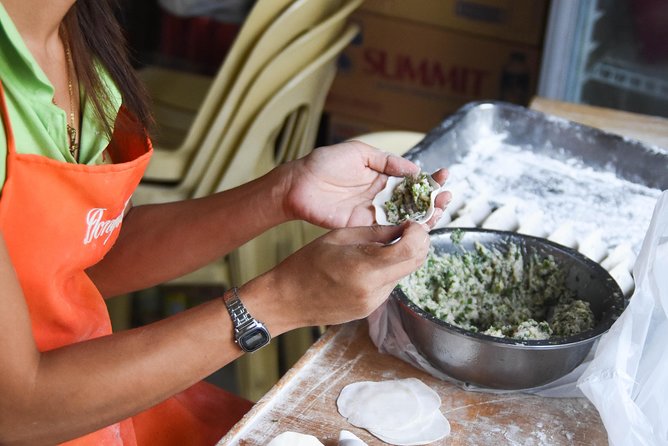
Next comes the part people talk about for a reason: handmade dumplings. This stop is centered on the idea that dumpling making is an actual craft, not just a menu item. You will get to taste dumplings prepared for orders in the shop, which is a big difference from frozen or mass-produced dumplings you might find outside Chinatown.
In my opinion, the real value here is comparison. You start with lumpia, then you shift into dumpling dough and filling. Even if you have eaten dumplings before, this is the chance to notice how Binondo dumplings can feel different in bite, thickness, and seasoning.
Also, expect lines at popular spots. Part of the “tour advantage” is that your guide tends to know where to go and how to time your group. You are still waiting sometimes, but you are not standing there guessing, and you are more likely to get served in a smooth rhythm with the rest of the itinerary.
More Binondo Chinatown walks:
- Manila: Intramuros, Chinatown, and Old Manila Half-Day Tour
★ 4.8 · 475 reviews - Manila: Guided Food Tour of Binondo with Tastings
★ 4.8 · 38 reviews - Manila: Binondo Chinatown Guided Walking Tour
★ 5.0 · 27 reviews - Manila: Chinatown Nighttime Tour by Tuk-Tuk
★ 5.0 · 13 reviews
Mami noodle soup: Filipino comfort with Chinese roots
After dumplings, you move into mami, a beloved noodle soup that sits right inside Filipino comfort-food culture. Mami is a great mid-tour stop because it resets you. After crunchy snacks and dumpling bites, the soup gives you warmth and liquid relief, and it also helps you connect the Chinese influence to Filipino daily eating.
What to pay attention to here is not just flavor, but body. A good mami tasting is about how the broth feels, how the noodles hold their chew, and how toppings and seasoning land together. The tour framing makes this dish more than a filler item, because it places it as a cultural anchor for the rest of the Chinatown menu.
If you are a person who gets tired of sweet stuff on food tours, this is your balance stop. If you love noodles, you are going to be happy you are not saving this for later.
Dim sum stop: classic, ordered, and cooked for a crowd
From mami, you head to a classic dim sum destination. This is where the menu gets more “restaurant formal” even if the atmosphere is still lively in Chinatown style. Dim sum works well on a tour because it turns the meal into bite-sized tasting, and it is usually served in a steady pattern that lets you sample without losing your place.
This is also a stop where texture and technique matter. Dumplings are already about skill, but dim sum adds variety in how dishes are steamed, wrapped, and seasoned. One of the easiest ways to get real value from this tour is to take your time here instead of rushing. Eat one bite, then notice what makes it different from the dumplings you had earlier.
And if you are hungry enough to keep going after three hours, you will understand why many people treat this tour as their main meal plan for the day.
Hopia finale at a historic bakery: flaky, sweet, and satisfying
The tour closes at a historic bakery famous for hopia, a Chinese-Filipino pastry that is known for flaky layers and filling variety. If dumplings were your craft lesson, hopia is your dessert payoff.
You will likely taste multiple flavors, not just one. The point is comparison: nut-based, bean-based, and other variations can feel very different even when the crust stays similar. It is a strong way to end, because the sweetness is not random. It ties back to the idea that Chinese-Filipino food in Binondo is not one-note candy. It is food with ingredients, technique, and a lot of family tradition.
If you are sensitive to too much sweetness, plan a slower pace on the hopia tasting. You do not want to reach the final stop feeling like you are bracing for impact.
Food tour math: why $60 makes sense in this setup
At $60 per person, this tour is priced like a serious tasting experience, not a casual stroll. The value comes from three things you actually feel during the tour:
First, you get 8 different food items, including sweet and savory options. That is more than a few snack samples, and it matters because it turns your hunger into a planned progression.
Second, you get drinks: soda/pop soft drinks, tea, and water, plus bottled water. Food tours that skip drinks often feel expensive once you add refreshments on your own. Here, the drinks are part of the bundle.
Third, you are buying coordination. In Chinatown, the hardest part is not finding food, it is knowing what to order and where to go without wasting time. This tour handles that. Even if you are an adventurous eater, a guided route helps you avoid the dead ends.
So for me, $60 feels fair because you are not paying restaurant prices six times over. You are paying for a guided sampling run that gives you multiple dishes across the most memorable Binondo categories.
What to bring and how to avoid a food coma
A food tour works best when you plan your body as well as your itinerary.
Wear walking shoes. The tour is short at about three hours, but the streets and stop-to-stop movement add up. It is also in an area where you want stable footing.
Come hungry. One review-worthy piece of advice I strongly agree with: if you do a morning tour, skip breakfast. You will taste more, and you will enjoy the progression rather than forcing down bites.
Hydrate. Drinks are included, but weather can still be a factor. The tour also notes it requires good weather. If conditions are poor, the experience may be canceled and you will be offered a different date or a full refund, so keep your schedule flexible if you can.
Diet note: it is not suitable for vegans. That does not mean you should cancel if you eat some animal products, but it does mean you should be honest about restrictions when booking. If you have allergies or medical dietary needs, this is the kind of tour where you should ask direct questions early.
How the guides shape the experience (and why it matters)
A food tour lives or dies on the guide, because food is sensory and stories are meaning. Guides on this tour include names like Nel, Jian, Chloe, Jenelle, and Rian, and the patterns in their approach show up in the overall tour style.
You can expect guides who:
- keep a good walking pace so the group stays together
- explain what you are tasting, not just where you are eating
- connect the dishes to the neighborhood, so Binondo does not feel random
This is also where the small-group format helps. When the group is limited, you get more interaction, and you are more likely to get personal attention at busy shops.
If you are traveling solo, this is also a good fit. Being the only person in the group can happen, and the guide can make it feel like you are touring with a local friend rather than like you are a spectator watching other people eat.
Who should book this Binondo Chinatown food tour
This is a strong choice if you want to:
- eat your way through Binondo in a limited time window
- get guided access to a handful of standout Chinese-Filipino dishes
- end with a sweet finish instead of scrambling for dessert later
You will especially enjoy it if you like variety: crunchy snacks, dumpling craft, noodle comfort, dim sum, then hopia.
It is less ideal if you:
- need vegan options (the tour is not suitable for vegans)
- hate walking or want a mostly seated experience
- prefer long meals over multiple small tastings
If you are visiting Manila for the first time, this tour is a practical way to see why Binondo feels like its own world inside the city.
Should you book this Manila Chinatown food tour?
Yes, if your goal is a high-return food plan in a short window. For $60, you are getting 8 food items, drinks, a structured route starting at Binondo Church, and a guided explanation that helps you taste with context.
I would book it if you can commit to the main rule: come hungry and wear shoes you trust. The tour is designed to leave you satisfied after about three hours, with the rest of your day free.
I would skip or rethink it if vegan eating is a must, or if you want a slow, sit-down meal day rather than a walking tasting run.
FAQ
How long is the Manila Food Tour in Binondo?
It runs for about 3 hours.
Where is the meeting point for the tour?
Meet at Minor Basilica and National Shrine of Saint Lorenzo Ruiz (Binondo Church), 1006 Plaza Lorenzo Ruiz, Binondo, 1006 Metro Manila, Philippines.
How much does the tour cost?
The price is $60.00 per person.
What kinds of food are included?
You get snacks covering 8 different food items, including sweet and savory options.
Are drinks included?
Yes. The tour includes soda/pop soft drinks, tea, and water, plus bottled water.
Is the tour suitable for vegans?
No. The tour is not suitable for vegans.
How many people are in the group?
The activity has a maximum of 15 travelers.
Is private transportation included?
No. Private transportation is not included.
Can I cancel and get a full refund?
Yes, you can cancel for a full refund if you cancel at least 24 hours in advance of the start time. If you cancel less than 24 hours before, the amount paid is not refunded.
Freshly added in Manila
- Underground River with Lunch★ 3.6 · 5 reviews
- Unforgettable Manila Fishing Village Day Excursion 2024★ 5.0 · 4 reviews
- Tagaytay Adventure: Volcano Views, Countryside, Market & Cruise!★ 4.5 · 14 reviews
- 3 Days Private Tour in Banaue Ifugao visiting Batad Rice Terraces★ 3.5 · 3 reviews
- Tagaytay + Hidden Valley Springs: A Scenic Escape w/ Transfers★ 4.0 · 4 reviews
- Tagaytay Day Tour sightseeing with Panoramic Taal volcano view★ 5.0 · 6 reviews
- Cultural Dinner and Show in Manila★ 5.0 · 4 reviews
- indigenous Forest experience Manila 2023★ 5.0 · 4 reviews
Binondo Chinatown Tours, compared.
Manila: Intramuros, Chinatown, and Old Manila Half-Day Tour
Read our review →
Manila: Guided Food Tour of Binondo with Tastings
Read our review →Manila: Intramuros, Chinatown, and Old Manila Half-Day Tour
Read our review →
Intramuros & Chinatown Manila Tour – Walking, Food & Culture
Read our review →
Manila: Binondo Walking Tour ( Oldest Chinatown )
Read our review →
Browse the lists this tour appears in