
REVIEW · INTRAMUROS TOURS
Manila: Intramuros, Chinatown, and Old Manila Half-Day Tour
Three neighborhoods, one fast history lesson.
In 3 hours, you travel from Tondo Market to Binondo Chinatown and then into the walled world of Intramuros, with an English-speaking guide that keeps the day moving and the stories clear.
I love the mix of local transportation. You hop between tricycle, tuktuk, and jeepney, so the tour feels like Manila, not a showroom. I also love the set-piece stops, like Fort Santiago, Casa Manila, and the oldest church sights inside Intramuros.
One consideration: this is a walking-heavy route. Bring comfortable shoes and plan for heat and crowds, especially around busy festival dates, and note it is not suitable for people over 95.
In This Review
- Key highlights to look for
- Entering Manila’s real rhythm from the Tutuban area
- Tondo Market first: where you understand daily life
- What to do with the market stop
- Binondo Chinatown and Ongpin Street since 1594
- Binondo Church and the arch: why they matter
- Intramuros: the walled Spanish city in a few focused stops
- Fort Santiago: a quick lesson you’ll remember
- Casa Manila: what it adds to the wall-and-church mix
- Old churches inside Intramuros: San Agustin and Manila Cathedral area
- San Agustín Church: what to notice
- Manila Cathedral area: a strong anchor
- Why the tricycle, tuk tuk, and jeepney part feels like the point
- What you should bring mentally
- Practical timing and the energy reality of 3 hours
- Price and value: what $68 actually buys you here
- Who should book this tour, and who should skip it
- Should you book this Manila Intramuros, Chinatown, and Old Manila half-day tour?
- FAQ
- How long is the Manila half-day tour?
- How much does the tour cost?
- Where do I meet the guide?
- Is the tour guide available in English?
- What kind of transportation is included?
- What should I wear for the tour?
- Is the tour suitable for older travelers?
- What is the cancellation policy?
Key highlights to look for
- Tondo Market as your warm-up with local produce, seafood, and everyday food stops
- Binondo Chinatown since 1594, including Ongpin Street and major landmarks like the Friendship Arch
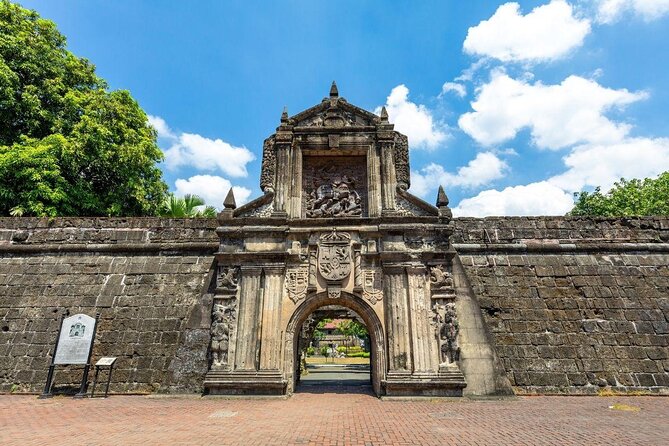
- Intramuros walls and Spanish city feel with guided time at Fort Santiago
- Casa Manila and the oldest church stops for architecture photos and real context
- Refreshments plus photos included so you can focus on seeing, not figuring things out
Entering Manila’s real rhythm from the Tutuban area
Manila works on street time. One moment you’re in motion outside the train area, and the next you’re threading through neighborhood lanes where daily errands happen right in front of you. The meeting point is practical: Tutuban Center Mall near the Bonifacio Monument area, by the Lawson Convenience Store. Ask security to point you to the guide.
What I like about starting here is that it sets expectations. This tour is not built like a museum loop. It’s built like a day in motion, with a guide helping you cross neighborhoods fast and safely while explaining what you’re seeing.
You’ll also get an English live guide, and you’ll have refreshments and photography support along the way. That matters because Manila’s heat and traffic can wear you down fast, even on a short outing.
More Intramuros walks:
- Intramuros, Manila: Historical Bamboo Bike Tour
★ 4.8 · 583 reviews - Experience Intramuros with Bamboo Bicycle – Ecotours
★ 5.0 · 508 reviews - Manila: Guided Sunset Bamboo Bike Tour in Intramuros
★ 4.8 · 119 reviews
Tondo Market first: where you understand daily life
Your day starts in Tondo Market, with your guide leading you through tight alleys and stalls. Expect fresh produce, seafood, and local delicacies, plus the kind of normal chatter and buying that helps you understand Manila beyond postcard scenes.
This first segment is a smart choice. Before you reach the Spanish walls of Intramuros, you’re learning the baseline of how people live and eat. Even if you think you already know Manila from photos, market time changes the picture. It’s one of the quickest ways to understand what “local” actually means here.
What to do with the market stop
Go with an open mind and a light plan. If you eat things on the street, do it when the guide recommends it, not when it looks shiny in the moment. The guide’s job is to connect you to what’s typical and safe to try, and the included refreshments help you settle in without rushing.
Practical tip: the market portion sets your pace for the rest of the tour. If you try to power through with no breaks, you’ll feel it later inside Intramuros.
Binondo Chinatown and Ongpin Street since 1594
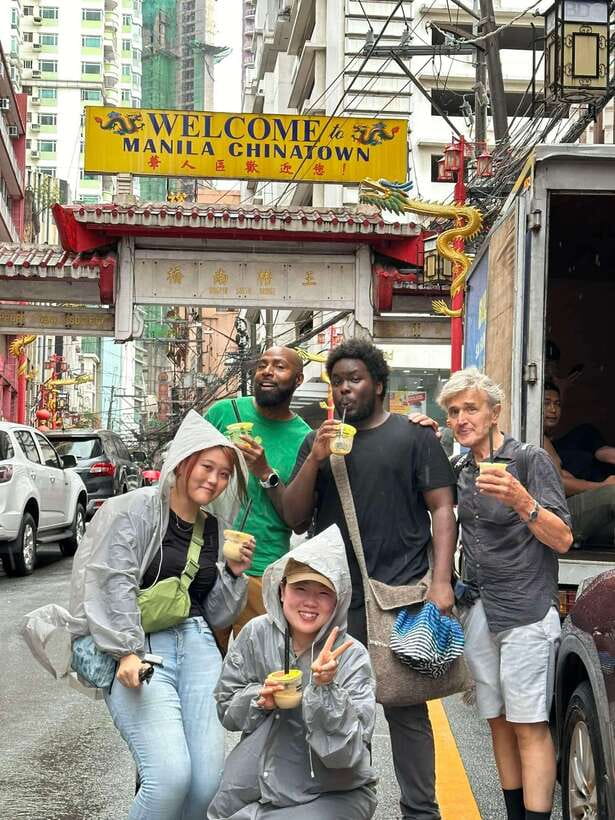
Next comes Binondo, which is often described as the world’s oldest Chinatown. The big date here is 1594, and the guide ties that long timeline to what you see today on Ongpin Street.
You’ll walk through the busy commercial streets, then pause at landmarks that explain the Filipino-Chinese connection over centuries. Two standouts: Binondo Church and the Filipino-Chinese Friendship Arch, a visible symbol of cultural ties that shaped the neighborhood.
This section is valuable because it’s not just old buildings. It’s living commerce. You’re not only looking at history, you’re seeing how it functions in daily life, from food and goods to the community feel on the street.
More Binondo Chinatown walks:
- Manila Food Tour: Explore World’s Oldest Chinatown
★ 5.0 · 158 reviews - Manila: Guided Food Tour of Binondo with Tastings
★ 4.8 · 38 reviews - Manila: Binondo Chinatown Guided Walking Tour
★ 5.0 · 27 reviews - Manila: Chinatown Nighttime Tour by Tuk-Tuk
★ 5.0 · 13 reviews
Binondo Church and the arch: why they matter
Binondo Church gives you a concrete landmark to anchor the story in real architecture. The Friendship Arch helps you connect that story to identity and relationships, not just dates.
If you care about photos, this is a strong photo zone. Expect colorful signage, dense streets, and a scene that looks different block to block. The guide can help you position for pictures without getting in the way.
And if your timing lands near Lunar New Year, plan for extra crowding. One guide and group dynamic that comes up often is how well the hosts manage timing and movement when the area is packed.
Intramuros: the walled Spanish city in a few focused stops
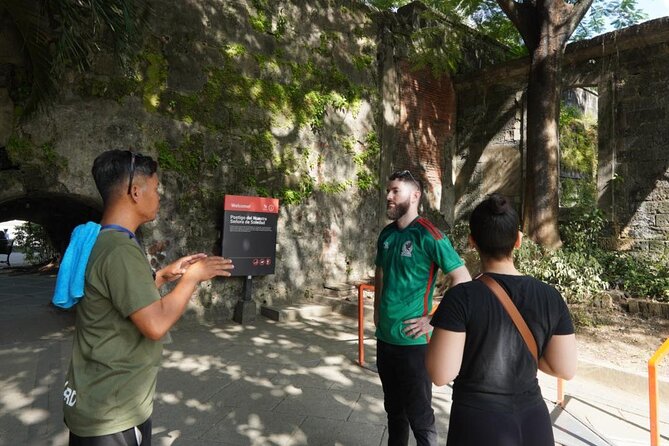
Then you arrive at Intramuros, Manila’s historic walled city. This is the part most people recognize. Fortifications, colonial-era architecture, and cobblestone streets create a different pace than the neighborhoods you came from.
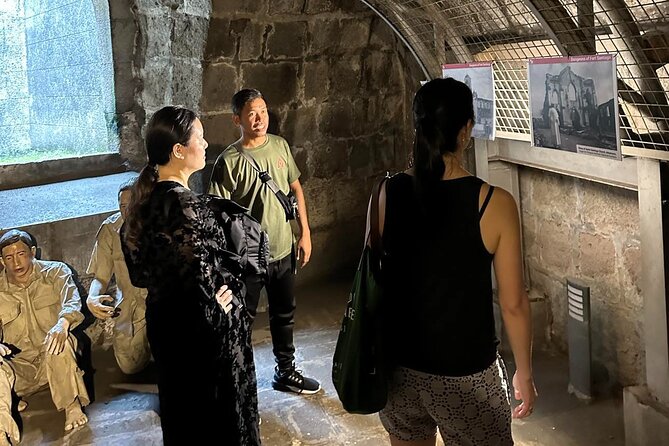
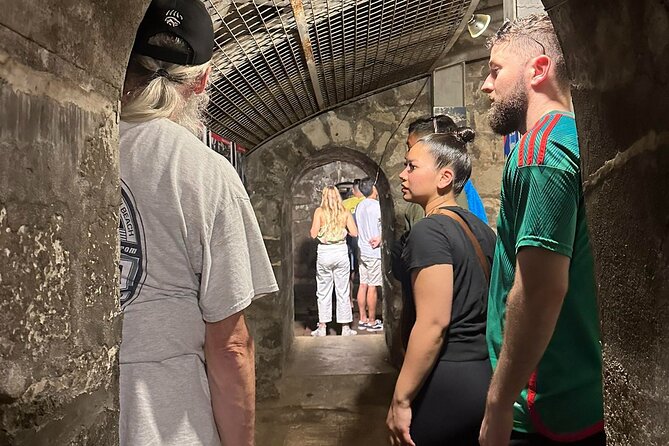
The route includes Fort Santiago and the guided “walled city” experience. You’ll also see Casa Manila, which helps you understand how life in this old quarter connects to the broader Spanish colonial era. The guide links these sites together, so you’re not just collecting sights.
Fort Santiago: a quick lesson you’ll remember
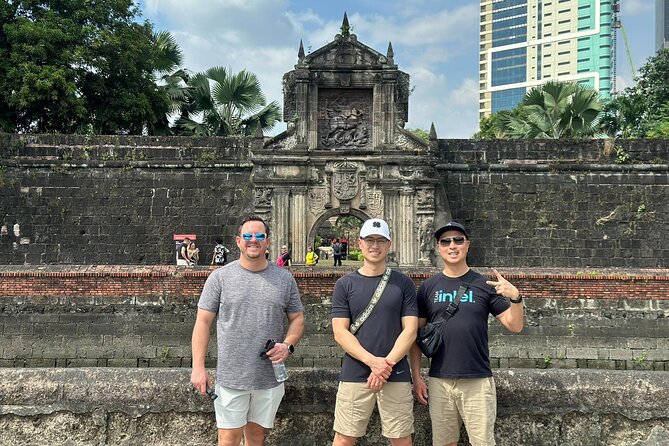
Fort Santiago is the kind of stop that snaps attention into place. The stone and structure feel immediate, and the guide’s job is to translate the fortress into a story you can follow.
Here’s why I think Fort Santiago works well on a half-day tour: it’s a concentrated location. In a short time, you get a strong sense of why walls and forts mattered, and how that shaped the city’s layout.
Casa Manila: what it adds to the wall-and-church mix
Casa Manila rounds out the “Spanish city” look. It gives you a more human angle on the colonial story, not only military walls. If you enjoy architecture and period rooms, this stop helps you picture daily life rather than only battles and boundaries.
If you’re short on time in Manila, this is a good balance stop. It prevents Intramuros from becoming only a walking photo sprint.
Old churches inside Intramuros: San Agustin and Manila Cathedral area
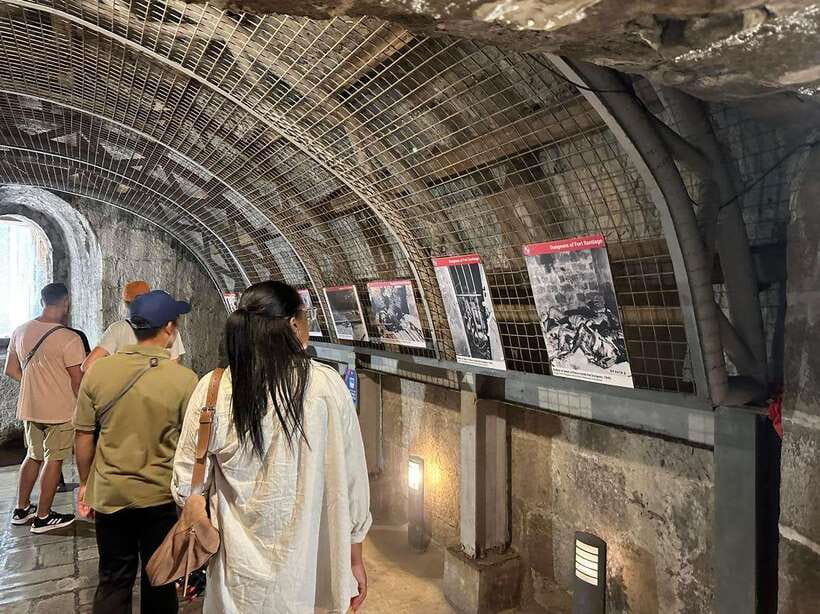
Intramuros is famous for its churches, and this tour targets the major early sites. You’ll visit the oldest church experiences in the walled area, including San Agustín Church and the Manila Cathedral area.
This matters because churches here are not just religious stops. They’re historical markers. The buildings show you Spanish-era influence in design and layout, and the guide’s explanations help you understand why these structures became central.
San Agustín Church: what to notice
Look for the stonework, the proportions, and the sense of age that comes through immediately when you stand nearby. You can take photos, but also slow down for a minute. Let the space do what it does best, create stillness after the market noise and street activity.
Manila Cathedral area: a strong anchor
The Manila Cathedral area helps you tie the story together at a central point. It’s a natural place to understand the city’s colonial power centers and why the walled city remained important.
If you’re traveling with teens or first-time visitors, this church block is a good way to satisfy both curiosity and the need to see something iconic without making the schedule too exhausting.
Why the tricycle, tuk tuk, and jeepney part feels like the point
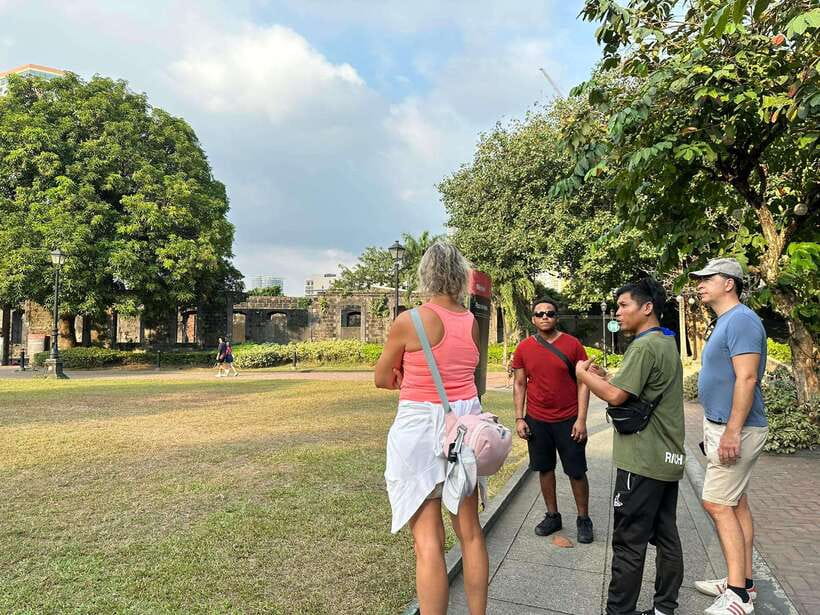
A half-day tour can easily turn into a curb-to-curb checklist. This one avoids that by using local transport modes as part of the experience.
You’ll ride tuktuk, tricycle, and jeepney. People often remember this more than they expect. Why? Because it changes your viewpoint. You see different angles of streets, you feel the speed of local movement, and you experience how the city breathes.
One review detail that makes me trust the design: a guide like Venus was described as handling chaos well and keeping timing right when it was crowded near Lunar New Year. That’s exactly what you want in Manila, especially when you’re mixing walking plus street navigation.
What you should bring mentally
Don’t treat transport rides as filler. Treat them as part of the story. Listen to the guide during rides, especially when they connect the neighborhood layout to the historical sites ahead.
Also, keep your energy in check. You will walk. You will also spend some time waiting while vehicles move and groups regroup. That’s normal for city touring here.
Practical timing and the energy reality of 3 hours
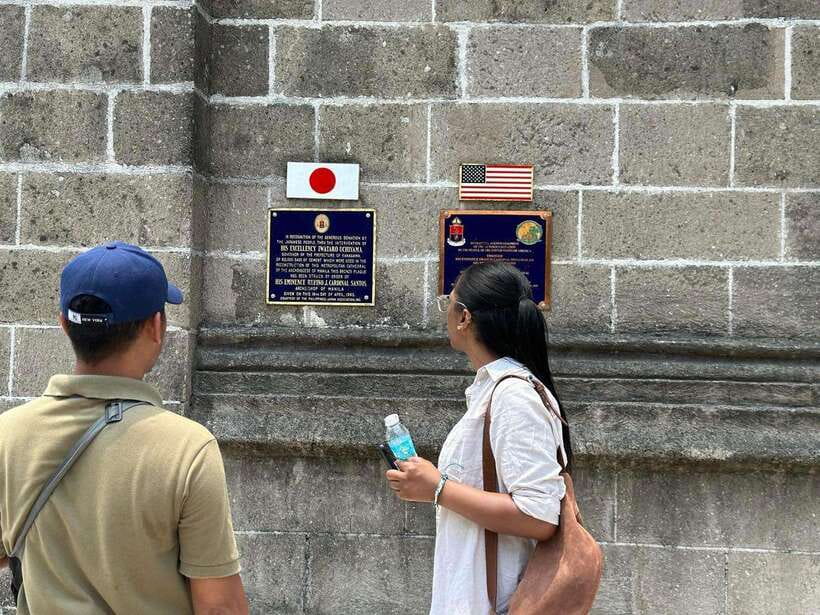
Three hours sounds short. In Manila, it’s just enough for a strong first look if your expectations match the format.
The tour packs a lot into a tight window: market area, Chinatown streets, and then Intramuros with fortress and church stops. By the time you get inside the walled city, you may feel tired. That is not a failure of planning. It’s the trade you make for seeing both Old Manila neighborhoods and the Spanish-era core in one go.
So I recommend this approach:
- Start hydrated and pack a steady mindset for walking and sun.
- Save your biggest energy for Intramuros photos and church visits.
- Don’t try to add another heavy activity right after. Let the tour be the anchor of the day, not a starter course.
If you have a layover in Manila, this format can be a great way to avoid wasting your time in the airport bubble. The pace is intense, but it’s also structured, and you get an English guide to keep you oriented.
Price and value: what $68 actually buys you here
At $68 per person for about 3 hours, this isn’t the cheapest option. But it is also not only a guide standing next to you. It includes transportation segments using local modes, refreshments, tour guiding in English, and photography support.
For me, the value comes from the combination:
- You get into multiple neighborhoods fast, not just one area.
- You get local transport that makes the route feel like Manila.
- You get historical stops that are hard to sequence on your own, especially if you’re trying to cover market plus Chinatown plus Intramuros in one morning or afternoon.
If you compare it to paying for separate taxis for each leg plus hiring separate local help for Intramuros and Chinatown, $68 for a guided, multi-mode route can feel reasonable. You are paying for time saved and for someone who can translate what you’re looking at.
Who should book this tour, and who should skip it
This tour fits best if you:
- Want a first-time orientation to Chinatown (Binondo) and Intramuros
- Like guided context, not just sightseeing
- Enjoy street-level experiences like markets and local food stops
- Prefer using local transport instead of only rides in private cars
It might not fit if you:
- Have low walking stamina. The route is described as involving a lot of walking, and you’ll be on your feet for multiple blocks and stops.
- Are traveling with someone over 95, since the activity is not suitable for people over 95.
If you’re the kind of traveler who likes to ask questions, you’ll likely enjoy this too. Guides such as Floyd and Jane were repeatedly praised for being engaging and supportive, and Venus was highlighted for energy and for navigating crowded situations.
Should you book this Manila Intramuros, Chinatown, and Old Manila half-day tour?
If this is your first time in Manila and you want one outing that connects street life to historical landmarks, I think you should book it. It’s short enough to work for a tight schedule, and the structure keeps you from getting lost or missing the important anchors like Fort Santiago and the oldest church stops in Intramuros.
Book it especially if you care about seeing more than the modern business districts. This tour gives you Old Manila neighborhoods plus the iconic walled city, and it does it with local transport that makes the day feel real.
Just go in prepared for walking and heat. Bring comfortable shoes, sunscreen, a hat or cap, and sunglasses. If you do that, you’ll end the tour tired in a good way, with a clearer sense of how Manila’s communities and centuries connect side by side.
FAQ
How long is the Manila half-day tour?
The tour lasts 3 hours.
How much does the tour cost?
The price is $68 per person.
Where do I meet the guide?
Meet your guide at Tutuban Center Mall Bonifacio Monument near the Lawson Convenience Store. You can kindly ask security for help meeting the guide.
Is the tour guide available in English?
Yes, the live tour guide speaks English.
What kind of transportation is included?
The tour includes tuktuk, tricycle, and jeepney.
What should I wear for the tour?
Wear comfortable shoes, and bring sunglasses and sun screen. A hat or cap is also recommended.
Is the tour suitable for older travelers?
It is not suitable for people over 95 years.
What is the cancellation policy?
You can cancel up to 24 hours in advance for a full refund.
Freshly added in Manila
- Underground River with Lunch★ 3.6 · 5 reviews
- Unforgettable Manila Fishing Village Day Excursion 2024★ 5.0 · 4 reviews
- Tagaytay Adventure: Volcano Views, Countryside, Market & Cruise!★ 4.5 · 14 reviews
- 3 Days Private Tour in Banaue Ifugao visiting Batad Rice Terraces★ 3.5 · 3 reviews
- Tagaytay + Hidden Valley Springs: A Scenic Escape w/ Transfers★ 4.0 · 4 reviews
- Tagaytay Day Tour sightseeing with Panoramic Taal volcano view★ 5.0 · 6 reviews
- Cultural Dinner and Show in Manila★ 5.0 · 4 reviews
- indigenous Forest experience Manila 2023★ 5.0 · 4 reviews
Intramuros Tours, compared.
Intramuros, Manila: Historical Bamboo Bike Tour
Read our review →
Experience Intramuros with Bamboo Bicycle – Ecotours
Read our review →
Manila Old and New: Sightseeing Tour Including Intramuros and Fort Santiago
Read our review →
Manila: Guided Sunset Bamboo Bike Tour in Intramuros
Read our review →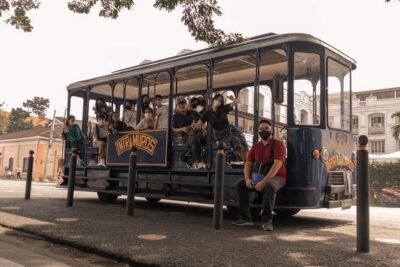
Explore Intramuros: Introduction to Philippine History
Read our review →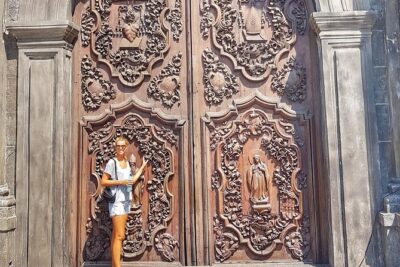
Experience Manila’s Heritage: Intramuros & More in Half a Day!
Read our review →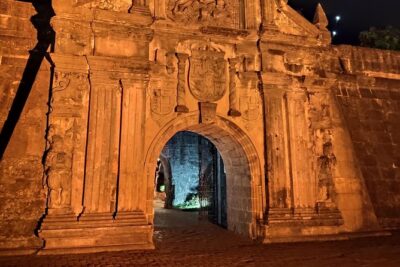
Manila by Night: Discovering City Highlights with Intramuros
Read our review →Browse the lists this tour appears in