
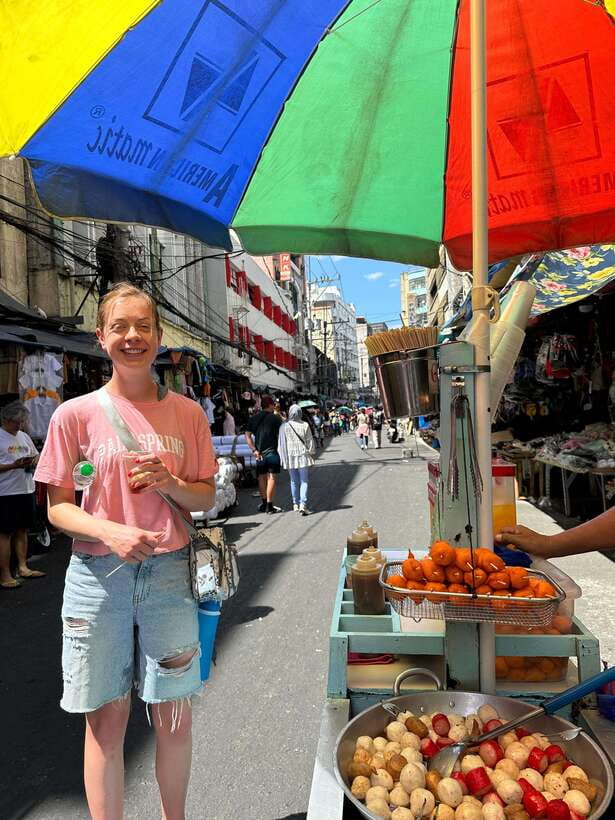
REVIEW · BINONDO CHINATOWN TOURS
Manila Chinatown Food Tour Experience
Old-school flavors meet Chinatown history on two wheels. Manila Chinatown, also known as Binondo, is one of the oldest Chinese communities in the world, and this short walk is built to help you see it close up, not from a distance. What makes it interesting is the mix of street food tastings plus local transport, so you move through neighborhoods at street level while your guide points out what to look for.
I like that the tour is set up for people who come hungry, with a focus on Filipino-Chinese street food in downtown Tondo and Binondo. I also like the human touch from the guide, with feedback that Venus was helpful, energetic, and good at connecting food to everyday Filipino culture. A possible drawback is that the food lineup and historical depth can feel uneven, with one experience noting iconic dishes and deeper Chinatown context were missing.
In This Review
- Key Takeaways Before You Go
- Binondo in Two Hours, What This Tour Gets Right
- Meeting at Tutuban Center Mall, Then Settling Into the Rhythm
- What You Actually Eat: Filipino-Chinese Street Food Focus
- Food examples mentioned in feedback
- The Chinatown Walk Part: Old Buildings, Landmarks, and Street-Level Context
- Getting Around Chinatown With Tuk-tuk and Jeepney Energy
- Guide Style: Venus and the Human Side of the Food Plan
- Hidden “Extras” and the Surprise Stops That Make It Worth Doing
- Price and Value: Is $65 for Two Hours Fair?
- Logistics to Watch: Timing, Traffic, and the Tour Wrap-Up
- Who This Tour Suits Best
- Should You Book This Manila Chinatown Food Tour?
- FAQ
- What is the duration of the Manila Chinatown Food Tour?
- How much does the tour cost?
- Where do we meet for the tour?
- What language is the tour conducted in?
- What food is included?
- Is the tour rain or shine?
- Are kids allowed?
- Is free cancellation available?
Key Takeaways Before You Go
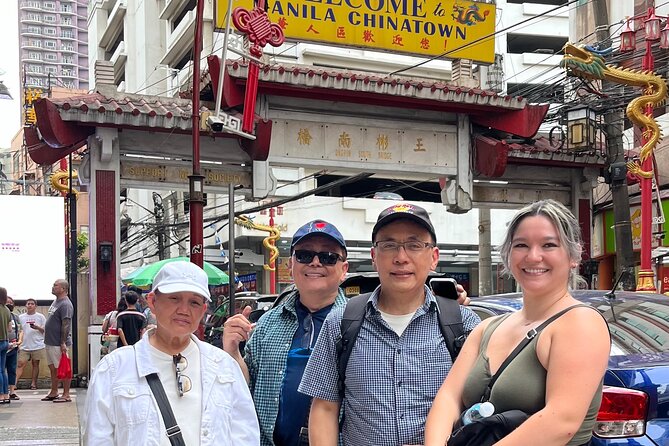
- Binondo walking route with street food tastings designed to mix Chinese and Filipino flavors in one circuit.
- Local transport included, with some tours reported using tuk-tuk and jeepney for the ride-and-people-watching factor.
- Old Chinatown landmarks and older buildings are part of the walk, so you are not only eating.
- Come hungry is more than a slogan here, since the point is repeated sampling along the way.
- Two-hour timing matters, so if your schedule is tight, plan buffer time and ask where you end.
Binondo in Two Hours, What This Tour Gets Right
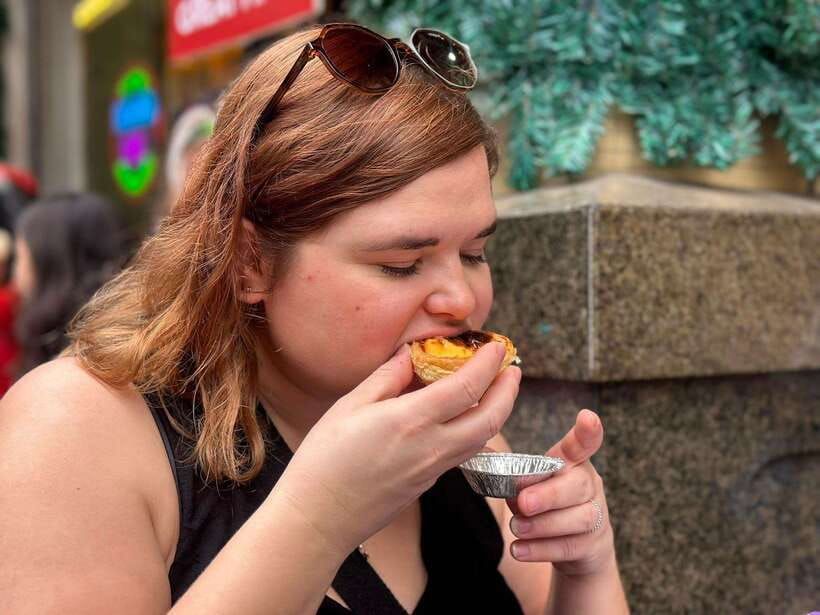
Manila Chinatown, Binondo, is the kind of place where the streets tell the story. You see shopfronts, old building edges, and families moving through daily routines that do not feel like a theme park. This tour tries to capture that street-level reality, and the 2-hour length is a practical choice if you want something memorable without losing your whole day.
The best part is the pairing of food and movement. You are not just sitting at one stop doing sampling. You walk through Chinatown, and you also use local transportation as part of the experience. That matters because the quickest way to understand a food district is to watch how people travel between stalls, markets, and side streets.
More Binondo Chinatown walks:
- Manila: Intramuros, Chinatown, and Old Manila Half-Day Tour
★ 4.8 · 475 reviews - Manila Food Tour: Explore World’s Oldest Chinatown
★ 5.0 · 158 reviews - Manila: Guided Food Tour of Binondo with Tastings
★ 4.8 · 38 reviews
Meeting at Tutuban Center Mall, Then Settling Into the Rhythm
You meet at the Mall Entrance Tutuban Center Mall. That is helpful because it gives you a clear anchor point when you are arriving in Manila. One thing I would build into your plan, though, is time cushion. One booking experience mentioned getting stuck in traffic on the way to the meetup and arriving later than expected, which can compress the start and make the timing feel off.
Once you start, expect a walking rhythm that mixes sightseeing and tasting. It is not described as a long lecture tour. Instead, you should expect your guide to point out what you are looking at, then translate that into what to order and why it fits the neighborhood.
What You Actually Eat: Filipino-Chinese Street Food Focus
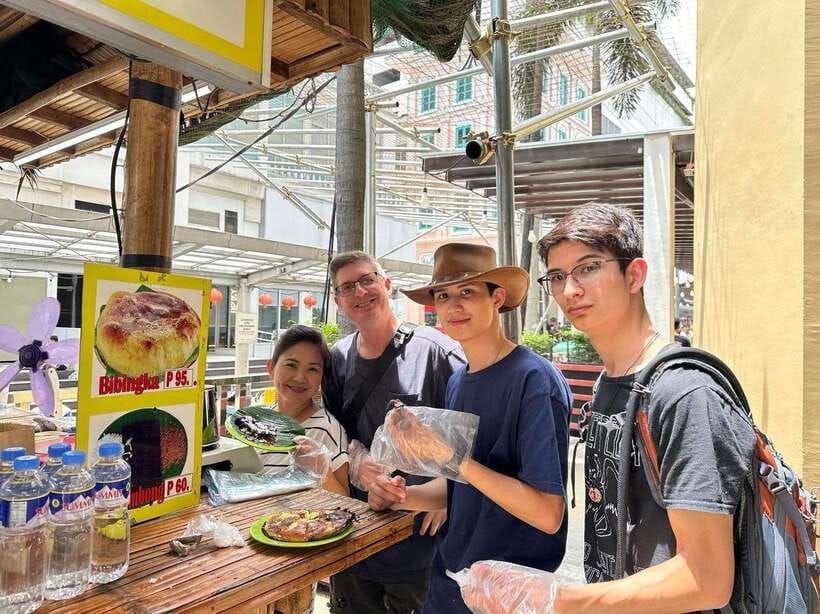
This tour is explicitly about Filipino street food in downtown Tondo and Binondo, with Chinese influence in the mix. That is a good framing for first-timers, because Chinatown in Manila is not only Chinese dishes. It is also the local Filipino way of eating, buying, and sharing snacks in busy areas.
You should come ready for sweet, savory, and spicy options. The experience description signals that you will savor dishes across the flavor spectrum. In practical terms, that means you will likely get a range of tastes rather than one heavy item.
Food examples mentioned in feedback
While the exact lineup can vary, the feedback names a few highlights that give you a sense of the style of food:
- Shanghai Fried Siopao
- Lord Stow’s egg tart
- Fresh Lumpia at New Po Heng Lumpia House
- Kutchay dumplings at Dong Bei Dumplings
- Hand-pulled noodles at Lan Zhou La Mien
Here is the fair warning: one feedback instance said those iconic Chinatown classics were not included, and that affected how satisfied they felt. So if you have your heart set on specific dishes, this is the kind of tour where you might want to ask your guide what is planned for your date, or be ready to add one extra stop on your own afterward.
More Food Tours in Philippines:
- Manila Food Tour: Introduction to Philippine Street Food
★ 5.0 · 3 reviews - Boracay Sunset Cruise with Party DJ & Unlimited Food and Drinks
★ 5.0 · 211 reviews - Manila: Street Food and Drinks Walking Tour with Tastings
★ 4.8 · 114 reviews - The Original Cebu City Historical and Food Walking Tour
★ 4.5 · 81 reviews
The Chinatown Walk Part: Old Buildings, Landmarks, and Street-Level Context
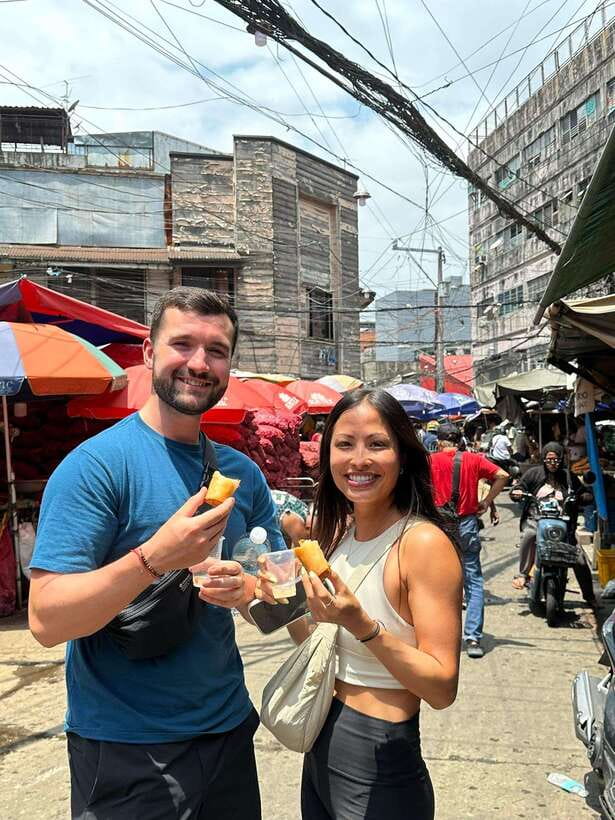
The experience description includes historical landmarks and older buildings as part of the route. That is where the tour can do real work for you. Food alone is good, but context turns snacks into a story you can remember.
In Chinatown, older architecture matters because it shapes how commerce happens. Shop layouts, narrow lanes, and clustered stalls all reflect how communities formed and how people moved through the area over time. Even when the history talk is brief, seeing the physical evidence in front of you helps you connect the dots faster than reading alone.
That said, one booking feedback noted the tour lacked in-depth historical insights. So if you are the type of traveler who wants dates, names, and detailed Chinatown history, you may leave wanting more depth. For that traveler, it can still be worth doing the food portion first, then pairing it with another more history-focused outing later.
Getting Around Chinatown With Tuk-tuk and Jeepney Energy
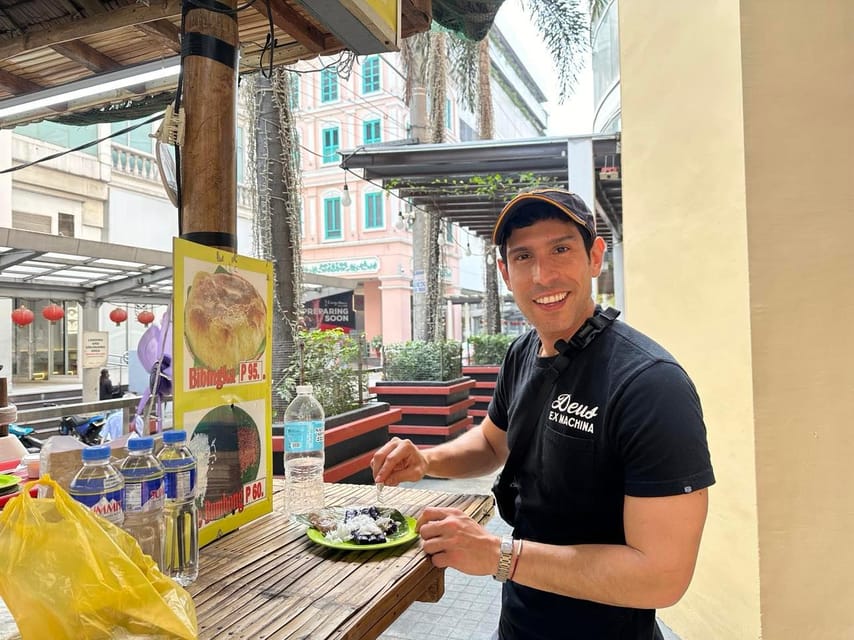
Local transportation is included, and at least one experience feedback highlighted tuk-tuk and jeepney rides as part of the fun. This matters more than people expect. In Manila, street-food neighborhoods are connected by short trips, not just long walks. Getting the chance to hop between areas gives you a fuller sense of the district.
It also makes the tour feel more local. Instead of only walking past storefronts, you get brief windows into how everyday commuters move. Even if you are not riding far, you are changing pace, changing sights, and keeping energy up for the next food stop.
Guide Style: Venus and the Human Side of the Food Plan
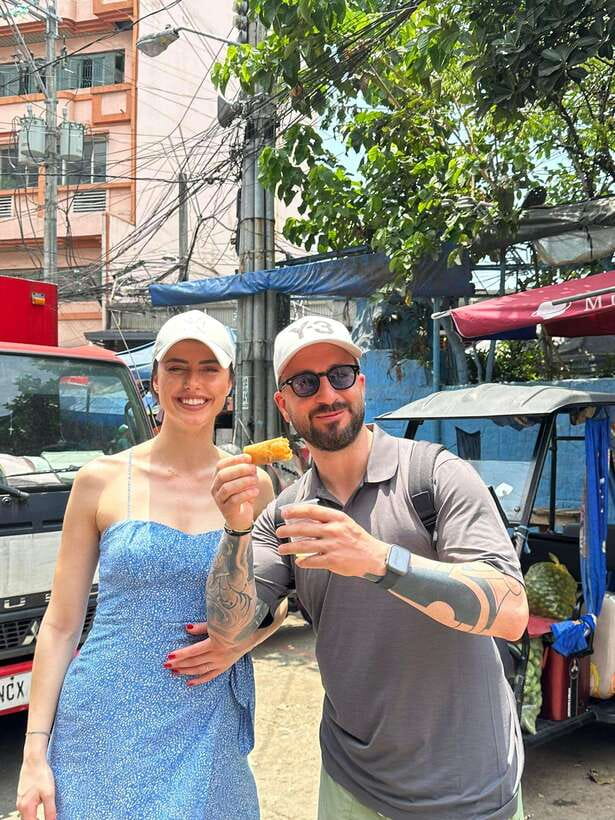
English is the tour language, and you get a live guide. One feedback specifically praised Venus for being helpful and knowledgeable about Filipino culture. Another mentioned the guide’s energy and that it felt passionate and informative.
What I like about a guide-led street food tour is that it saves you from the hardest part of street food travel: figuring out what to trust and how to order. A good guide helps you do two things quickly:
1) pick food that fits the moment
2) understand how people eat it locally, not just how tourists eat it
If your guide is strong on this, the sampling becomes smoother and more fun. If the guide pacing is slower or the history talk is lighter, you still get value from eating, but your satisfaction can swing depending on your personal interest level.
Hidden “Extras” and the Surprise Stops That Make It Worth Doing
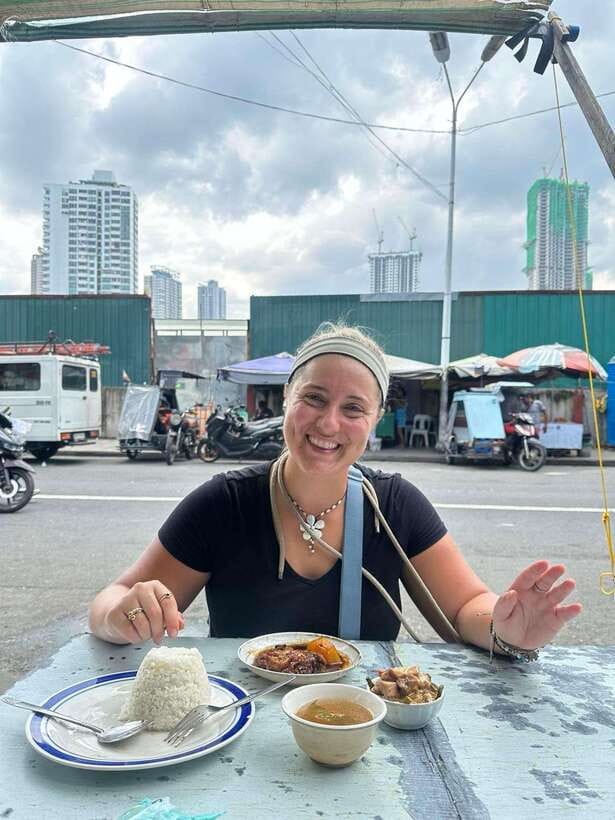
You are told to expect hidden treasures and “hidden gems” in Chinatown. Since the exact stops are not listed in the provided details, you should treat this as a promise of side streets and lesser-known pockets, not just the obvious food hall choices.
This is where the tour can beat a self-guided plan. Self-guided works if you already know where to go and what to order. A guide can steer you toward smaller places or better timing, and they can point out what you might otherwise miss while you are busy chasing menu photos.
Just keep expectations realistic. “Hidden” can mean a different thing to different guides, and one feedback instance complained that other must-try places were not included. So I recommend using the tour as an orientation plus sampling circuit, then leaving room in your day for one additional Chinatown stop on your own if there is a dish you specifically want.
Price and Value: Is $65 for Two Hours Fair?
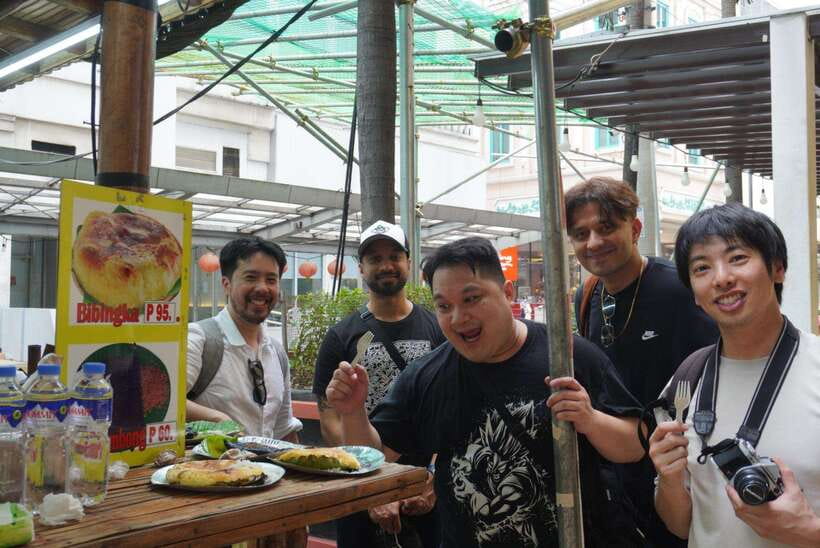
The price is $65 per person for a 2-hour tour, with a local guide, bottle water, food tastings, and local transportation included. Whether that is good value depends on how you travel.
If you are the type who normally buys street snacks one by one, the tour cost can look high at first glance. But your $65 is not only food. It is also:
- guide time and translation help
- route planning
- multiple tasting stops
- included transport between parts of the district
In Manila, food can be affordable, but time is expensive. This tour’s structure is basically a shortcut: you get a guided food circuit in a short window, which is ideal if you are short on time or overwhelmed by where to start.
The one factor that affects perceived value is completeness. If you get a lineup that matches your food cravings, you will likely feel it was worth it. If your date’s tastings skip several iconic items you expected, the same price can start to feel less satisfying. Use that as your main decision lens.
Logistics to Watch: Timing, Traffic, and the Tour Wrap-Up
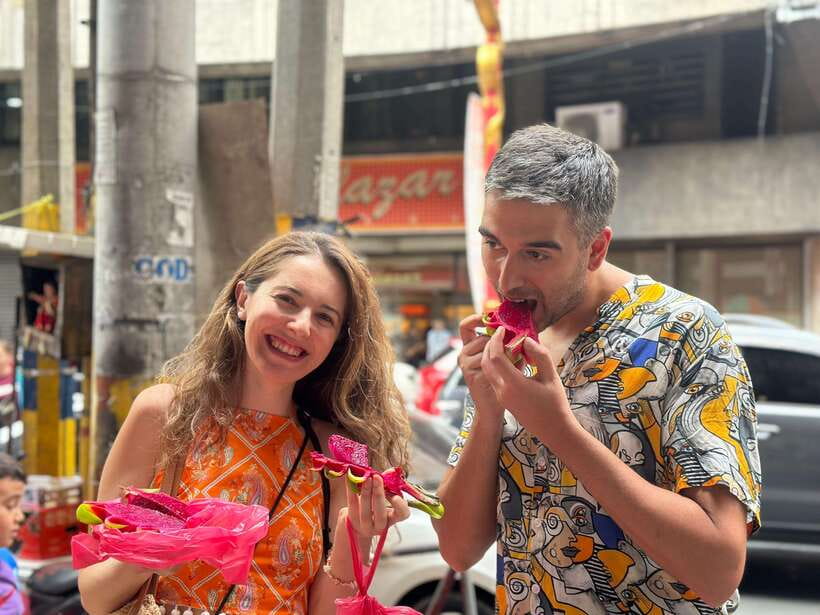
This tour runs rain or shine, so plan clothing that can handle wet streets. Manila weather changes fast, and sidewalks can get slick. The good news is that street food areas still work in the rain, and a guided circuit is often easier in bad weather than doing everything alone.
One booking experience also mentioned a confusion at the end. The tour time ended, and they found themselves on another part of a tour that did not involve tasting foods. They also said they had to leave before the full two hours were over.
I cannot confirm the exact flow for every group, but I can give you a smart takeaway: if you have a hard deadline after the tour, ask your guide before you start how the last tasting stop usually lines up and where the group typically ends.
Who This Tour Suits Best
This is a strong match if:
- you want a short, guided Chinatown food experience with Filipino-Chinese street food
- you like learning from a guide and asking lots of questions
- you want included transport so you are not hopping around with maps and rides
- you are traveling with friends or solo and want a shared, social food circuit
It may be less perfect if:
- you want a deep historical lecture only
- you have very specific dish musts and need those exact names included
- you are extremely schedule-constrained and cannot risk any end-of-tour timing quirks
Should You Book This Manila Chinatown Food Tour?
I would book it if you want a low-stress, guided way to eat your way through Binondo and Tondo in about two hours, especially if you appreciate a guide who can connect food to culture. At $65, it is not a bargain-basement snack crawl, but it can be good value because transport and guide support are part of the package.
I would think twice if you are a history-first traveler or if your top priority is hitting a specific list of Chinatown classics. In that case, treat this as a sampling orientation, not the final word on what to eat in Binondo. A quick follow-up stop afterward can help you lock in the dishes you care about most.
FAQ
What is the duration of the Manila Chinatown Food Tour?
The tour duration is 2 hours.
How much does the tour cost?
The price is $65 per person.
Where do we meet for the tour?
The meeting point is the Mall Entrance at Tutuban Center Mall.
What language is the tour conducted in?
The tour is guided in English.
What food is included?
The tour includes Filipino street food tastings in downtown Tondo and Binondo Manila, designed to let you try local Filipino-Chinese street food along the way.
Is the tour rain or shine?
Yes, the tour runs rain or shine.
Are kids allowed?
Kids are allowed from 3 years old and up.
Is free cancellation available?
Yes, you can cancel up to 24 hours in advance for a full refund.
Freshly added in Philippines
- Tri island tour: Naked Island, Daku Island and Guyman Island★ 5.0 · 3 reviews
- Trekking to see the beautiful view of Cebu City★ 3.3 · 4 reviews
- Siargao:Lagoon,Cave Rock Pool, w/Lunch & Transfer★ 4.5 · 11 reviews
- Siargao Tour C (shared tour)★ 3.8 · 4 reviews
- Siargao Tour E (Private Tour)★ 5.0 · 3 reviews
- Siargao Tour B (shared tour)★ 4.1 · 4 reviews
- SIARGAO: PRIVATE ISLAND HOPPING GUYAM, DAKU AND NAKED ISLAND★ 4.1 · 4 reviews
- Scuba Diving in Boracay: SSI Basic Diver for Beginners★ 5.0 · 10 reviews
Binondo Chinatown Tours, compared.
Manila: Intramuros, Chinatown, and Old Manila Half-Day Tour
Read our review →
Manila Food Tour: Explore World’s Oldest Chinatown
Read our review →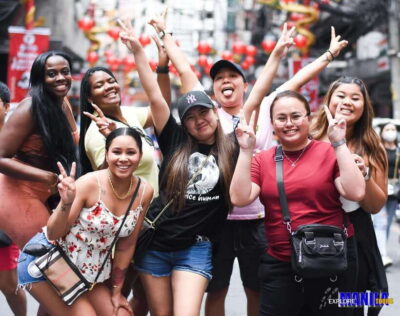
Manila: Guided Food Tour of Binondo with Tastings
Read our review →Manila: Intramuros, Chinatown, and Old Manila Half-Day Tour
Read our review →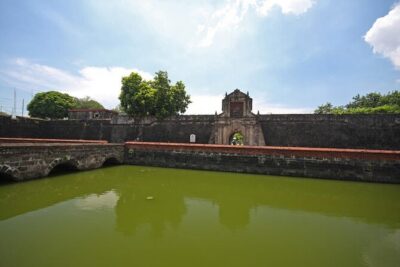
Intramuros & Chinatown Manila Tour – Walking, Food & Culture
Read our review →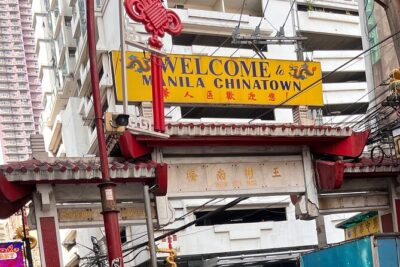
Manila: Binondo Walking Tour ( Oldest Chinatown )
Read our review →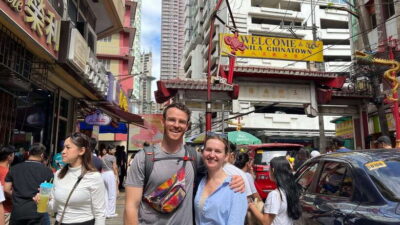
Browse the lists this tour appears in