
REVIEW · HISTORICAL TOURS
The Original Cebu City Historical and Food Walking Tour
Cebu has a side few visitors see. This 4 hour Cebu City historical and food walking tour strings together major landmarks and real street food stops, with a guide who keeps things easy.
I like the small group size (up to 20), because questions do not get buried in the noise. I also like that the stops include admissions, so you are not scrambling for entry tickets while you are trying to enjoy the moment.
One drawback to plan for: the timing can feel a bit flexible, and what you eat can depend on what is available on the day. If you are hoping for a strict checklist of every dish, bring a little flexibility.
In This Review
- Key things to know before you go
- A 4:00 pm start that feels like Cebu, not a checklist
- What you get for $69.99, and where the value shows up
- Stop 1: Heritage of Cebu Monument, where the big names meet the street
- Stop 2: Yap Sandiego Ancestral House, Spanish-Chinese architecture in plain sight
- Stop 3: Santo Niño Basilica, the oldest famous landmark you will actually see up close
- Stop 4: Cebu Carbon Market, coal history under the food stalls
- About the street food portion
- Stop 5: Magellan’s Cross Pavilion, the story behind the postcard symbol
- Stop 6: Cebu Metropolitan Cathedral, where war damage meets reconstruction
- Pace, guide style, and why people leave chatting
- Logistics that can change your evening: timing, crowds, and transport back
- Who this tour is perfect for, and who should skip it
- Should you book this Cebu food and history walk?
- FAQ
- How long is the Cebu City Historical and Food Walking Tour?
- What time does the tour start?
- How much does the tour cost?
- Where do you meet and where does the tour end?
- Is the tour mainly walking?
- How many people are in the group?
- Is a mobile ticket used?
- Are admission tickets included for the sights?
- What happens if the tour is canceled due to poor weather?
- Is the experience refundable if I cancel?
Key things to know before you go
- Locals-first route that starts with Cebu’s big historic symbols before shifting to street-level food culture
- Admissions included at the main sights, so you spend less time paying and more time looking
- Up to 20 people for a more conversational pace, not a cattle-line tour
- Carbon Market stop named for the coal depot history, not just a random market label
- Public transport moments may happen, like a jeepney ride, which helps you feel daily Cebu life
- Start at 4:00 pm and end at Freedom Park Carbon, so you will plan your ride from the finish area
A 4:00 pm start that feels like Cebu, not a checklist
Starting late afternoon is a smart move for Cebu City. You get enough daylight to appreciate the landmarks, and the late-day energy makes the food and markets feel more like real life than a staged museum moment.
You also get a guide-led flow. The tour is designed so you do not have to map, route-check, or wrangle schedules between stops. That matters in Cebu, where traffic and detours can turn an independent plan into a stress test.
The group stays small, max 20. In practical terms, this makes it easier to hear your guide and to ask follow-ups without feeling rushed. A few guides have been praised for being easygoing and chat-friendly, and that tone helps if you are traveling solo or you just want the day to feel relaxed.
More City Tours in Cebu
- Cebu City: Whale Shark Swimming & Kawasan Falls Canyoneering
★ 4.7 · 665 reviews - Cebu City: Bohol Countryside Tour with Loboc Cruise Lunch
★ 4.5 · 488 reviews - Private Cebu & Lapu-Lapu City Tour with Uphill Spots & Lunch at House of Lechon
★ 4.5 · 168 reviews
What you get for $69.99, and where the value shows up
At $69.99 per person, you are paying for two things at once: cultural stops with admission tickets included, plus a food experience with multiple eating moments.
The value is strongest if you like a tour that handles the hard parts for you:
- You hit key Cebu City sights in one evening.
- Admissions are included at each listed main stop.
- You are not doing the logistics juggling on your own.
That said, value is also about expectation. If you are the kind of traveler who wants deep, hour-long museum time at every location, a walking tour format will feel brief. And if you arrive late, you may miss parts that are built into the flow, including museum time at the first heritage stop.
Stop 1: Heritage of Cebu Monument, where the big names meet the street
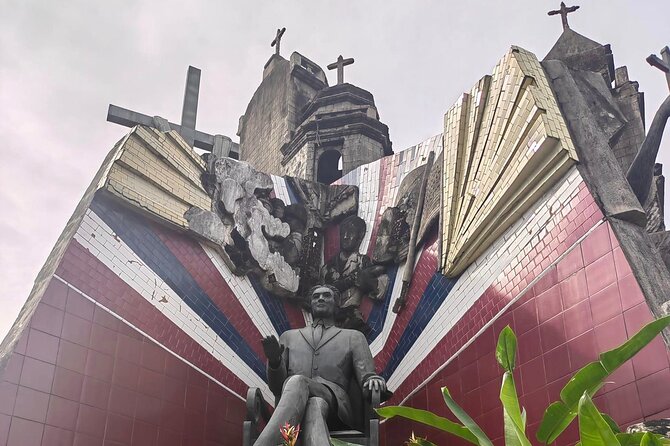
The tour begins at the Heritage of Cebu Monument. This isn’t just a statue garden. It is built like a tableau, showing Cebu’s role in Philippine history, including the Battle of Mactan and moments tied to Sergio Osmeña’s presidency. It also references canonization in that same historical sweep.
Why it works early:
- It gives you a mental timeline before you start walking through older structures.
- It helps you understand why the next stops matter, not just where to stand for photos.
A practical tip: give yourself a little time to look closely. These monuments are made to be read, not just glanced at. Even if you only catch part of the story your guide explains, it will make the rest of the evening click.
Stop 2: Yap Sandiego Ancestral House, Spanish-Chinese architecture in plain sight
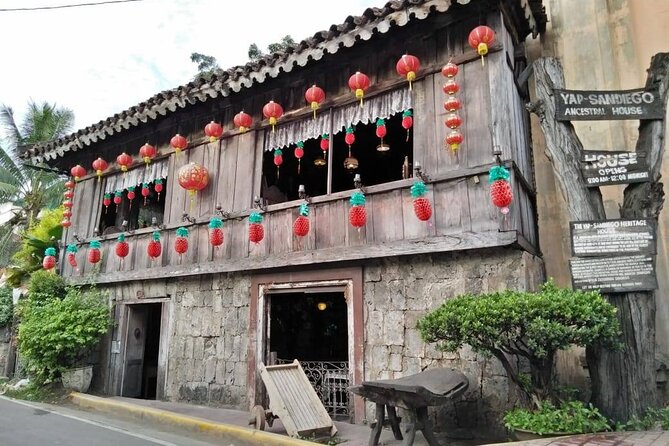
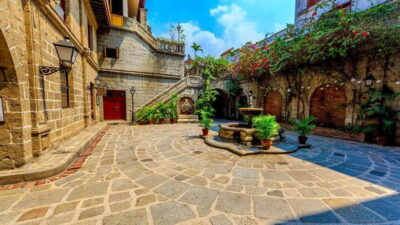
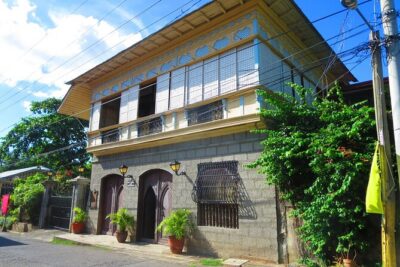
Next up is Yap Sandiego Ancestral House, one of the older residential homes in the country, built around 1680 using wood and coral stone. The architecture blends Spanish and Chinese influences, which is a clue you are looking at real Cebu history shaped by trade, migration, and colonial-era contact.
What you will feel here is atmosphere. It tends to work well for travelers who like history but do not want their evening to turn into a textbook reading session. The ancestral house style is visually distinctive, and the visit typically feels calmer than a big church crowd.
One consideration: because this is a lived-in style of heritage space (even though you are visiting), you may need to move carefully and follow the guide’s pacing. It is not a rushed stop, but it is also not designed for lingering forever.
More History Tours in Cebu
- Cebu: Exploring Cebu City’s rich history and Uphill Tour
★ 4.5 · 68 reviews - Cebu City: Historical Street and Food Tour
★ 4.9 · 31 reviews - CEBU: Cebu City Heritage and Uphill Guided Tour
★ 4.2 · 31 reviews - Cebu Historic and Views Tour Pickup Dropoff and Lunch (private)
★ 5.0 · 26 reviews
Stop 3: Santo Niño Basilica, the oldest famous landmark you will actually see up close
Then you move to Basilica Minore del Sto. Nino de Cebu, commonly called the Santo Niño Basilica. It was founded in 1565 by Fray Andrés d… (the name is sometimes partially abbreviated in materials), and it sits at the heart of Cebu City’s religious identity.
This is one of the stops where the guide’s explanation can make a big difference. Without context, you might just see a major church. With context, you understand why the basilica became a magnet for devotion and why it is still central to local life.
What to expect:
- A real place of worship, so you should dress and behave respectfully.
- The guide will usually connect the basilica’s story to Cebu’s broader history.
If you are visiting on a busy day, plan to be flexible in how much time you can spend inside. Crowd size can affect pacing.
Stop 4: Cebu Carbon Market, coal history under the food stalls
Stop 4 is Cebu Carbon Market. The name comes from carbón, Spanish for coal, because the area was said to be close to a coal depot used for the old Cebu Railway in the 19th century. That is a cool detail, because it reminds you the market area has layers, not just snacks.
This is where your walking tour earns its keep as a food experience. The food stops are part of the original concept: street-level eats paired with the city’s historic core.
You may also notice the market’s role as a social hub. In some evenings, it can feel like a night market atmosphere, where people are eating, chatting, and moving between stalls.
About the street food portion
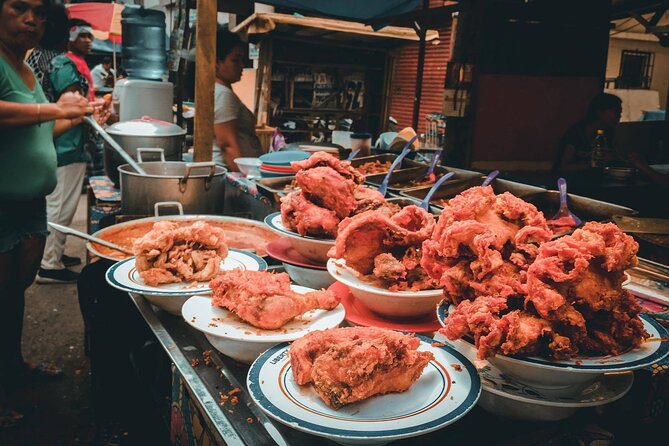
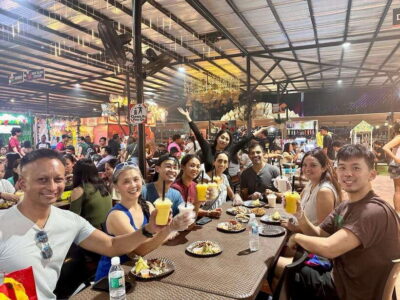
The food part is best for adventurous eaters. You are not going to get a refined, fork-and-knife meal. You are sampling local favorites in small portions, often the kind of foods you would hesitate to order alone.
Based on what people have described, you might encounter items like:
- Balut (hard-boiled fertilized duck egg, for adventurous taste buds)
- Tuslob buwa (drinking or eating cassava-based with fruit, often in a fun street-food setting)
- Lechon (roasted pork, frequently a star in Cebu)
Availability can vary by day, and not every dish will appear in every tour run. If there is a specific item you strongly want, ask your guide what is typically offered at the market stop.
Stop 5: Magellan’s Cross Pavilion, the story behind the postcard symbol
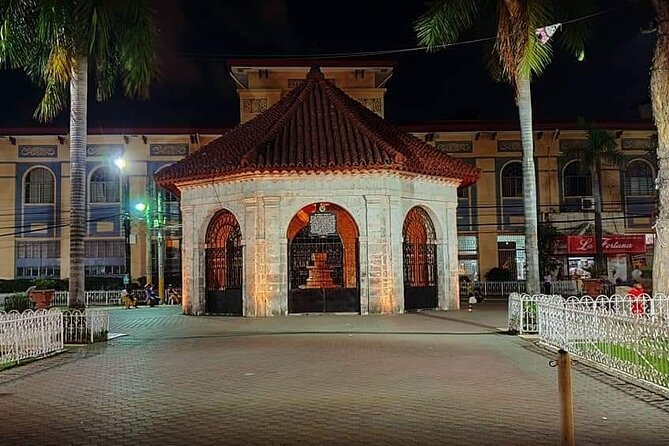
Next is Magellan’s Cross Pavilion, a stone kiosk in Plaza Sugbo beside the Santo Niño Basilica. It houses a Christian cross that was planted by explorers of the time period referenced in materials as belonging to the “th…” century.
This stop is partly iconic and partly educational. Yes, it is recognizable. But it becomes more interesting when your guide connects it to the larger wave of European contact and the way symbols took root in Cebu City.
Practical note: this area is often busy. Give yourself room to wait for your turn to see things clearly.
Stop 6: Cebu Metropolitan Cathedral, where war damage meets reconstruction
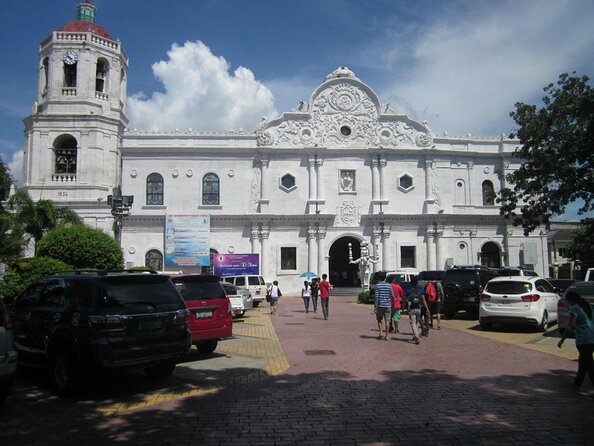
The last listed heritage stop is Cebu Metropolitan Cathedral, officially named the Metropolitan Cathedral and Parish of Saint Vitalis and of the Immaculate Conception. During World War II, much of the cathedral was destroyed by Allied bombing, and the building carries the story of rebuilding.
This stop can feel more reflective than the cross pavilion. If you are the kind of traveler who likes architecture and how cities change over time, the cathedral helps close the loop on the historical theme.
Also, your guide can help you spot what is visible now, versus what the history implies was lost. That context turns the building into a living story, not just a photo backdrop.
Pace, guide style, and why people leave chatting
A big share of the positive feedback centers on the guide experience. People repeatedly point to guides who are conversational, easy to talk to, and patient with questions. That is exactly the kind of skill that makes a walking tour enjoyable, because the route itself is only half the experience.
Some guides mentioned by name include:
- Kyle
- Lor
- Phillip
- Necian
Different guides have different personalities, but the common thread is a friendly, organized approach. The best part is that you still have time to connect with the group. On some runs, people reported it felt chilled, with plenty of time to chat between stops.
If you are a solo traveler, this matters. It is easier to feel comfortable navigating a new place when someone is actively helping you understand what you are looking at.
Logistics that can change your evening: timing, crowds, and transport back
A walking tour still depends on how fast people move between stops. The duration is approximate, around 4 hours. On some days, it can feel closer to the shorter end, especially with crowd slowdowns or if the group covers the route quickly.
Also watch for:
- Late arrival: one issue reported was missing museum content after arriving late. If you want everything on the plan, arrive early enough to settle in.
- Day-of crowd levels: on busy days, you may get less time inside certain sights.
Your tour ends at Freedom Park Carbon. The tour description you have does not indicate that it includes transport back to your hotel. So you should plan your own ride from the finish point.
For getting around the city, local options like jeepneys and other public transport may show up during the tour format. That can be a fun part of the experience, because it helps you see how locals move. Just be ready for that as part of the day, not just walking.
Who this tour is perfect for, and who should skip it
This Cebu City historical and food walking tour is a great fit if you:
- Want a first-timer-friendly route that covers major sights like Santo Niño Basilica and Magellan’s Cross.
- Like street food but do not want to guess what is safe or worth ordering alone.
- Appreciate a guide who explains the story behind what you see, not just directions.
It might be less ideal if you:
- Need a perfectly rigid timetable and a guaranteed exact duration every run.
- Expect a long, sit-down museum experience at multiple stops.
- Want a fully vegetarian-friendly menu. The tour is built around local street food variety, and a few items can be meat-based.
Should you book this Cebu food and history walk?
My take: book it if you want an efficient, guided way to experience Cebu City after 4:00 pm, with both landmark time and real street-food tasting. The strongest reason to choose it is that the guide removes the guesswork, while you still get the payoff of major historic stops plus local eating moments.
Skip it if your priority is museum depth over walking, or if you only want a specific food item and cannot tolerate substitutions or availability differences. Also, go in knowing the tour ends at Freedom Park Carbon, so you will handle the ride home.
If the operator cancels due to poor weather, you should expect a different date or a full refund. If the minimum traveler count is not met, you should also expect an alternate date or a full refund. Because it is non-refundable otherwise, only book if your evening is solid.
FAQ
How long is the Cebu City Historical and Food Walking Tour?
It runs for about 4 hours, approximately.
What time does the tour start?
The start time is 4:00 pm.
How much does the tour cost?
The price is $69.99 per person.
Where do you meet and where does the tour end?
You start at Ayala Terraces on Biliran Rd, Cebu City, and you end at Freedom Park Carbon, Cebu City.
Is the tour mainly walking?
Yes, it is a walking tour, though public transportation may be used as part of the experience.
How many people are in the group?
The tour has a maximum group size of 20 travelers.
Is a mobile ticket used?
Yes, the tour uses a mobile ticket.
Are admission tickets included for the sights?
Admission tickets are included for the listed heritage stops.
What happens if the tour is canceled due to poor weather?
It requires good weather. If it is canceled because of poor weather, you will be offered a different date or a full refund.
Is the experience refundable if I cancel?
The experience is non-refundable and cannot be changed for any reason.
More Walking Tours in Cebu
- Cebu City: Walking Tour
★ 5.0 · 6 reviews - Manila: Street Food and Drinks Walking Tour with Tastings
★ 4.8 · 114 reviews - Manila’s Walled City: Intramuros Walking Tour
★ 5.0 · 82 reviews - Manila: Sightseeing and Food Walking Tour with Tastings
★ 4.7 · 68 reviews
More Food Tours in Cebu
- Cebu Steet food, historical and mountain tour
★ 5.0 · 15 reviews - The Ultimate Cebu Food Tour: Local Tastes & Cultural Journey
★ 4.5 · 10 reviews - Food, Historical and Mountain Tour in Cebu City
★ 4.5 · 8 reviews - Boracay Sunset Cruise with Party DJ & Unlimited Food and Drinks
★ 5.0 · 211 reviews
Freshly added in Cebu
- Whale Shark Watching with Sumilon Sandbar and Kawasan Falls Tour★ 5.0 · 8 reviews
- Whale Shark Watching and Sumilon Sandbar Private Tour Package★ 5.0 · 17 reviews
- Whale Shark Watching & Tumalog Falls & Kawasan Falls★ 5.0 · 16 reviews
- Whale Shark Swimming Experience and Aguinid Falls from Cebu★ 3.5 · 19 reviews
- Group Tour of Moalboal Sardines Run & Kawasan Canyoneering★ 4.5 · 9 reviews
- Cebu Whale Shark Encounter, Moalboal Sardines & Tumalog Falls★ 4.0 · 18 reviews
- Bohol Chocolate Hills & Tarsiers with roundtrip ferry from Cebu★ 5.0 · 7 reviews
- Oslob Whale Shark Private Tour with Sumilon & Tumalog Falls★ 4.5 · 16 reviews
Historical Tours, compared.
Intramuros, Manila: Historical Bamboo Bike Tour
Read our review →
Explore Intramuros: Introduction to Philippine History
Read our review →
Experience Manila’s Heritage: Intramuros & More in Half a Day!
Read our review →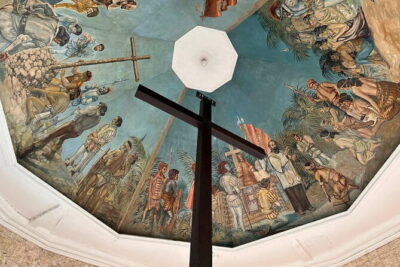
Cebu: Exploring Cebu City’s rich history and Uphill Tour
Read our review →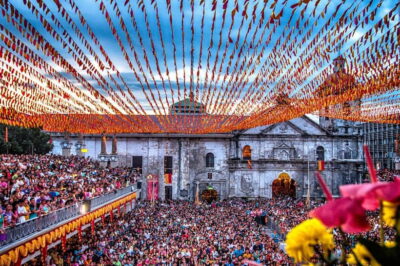
Tagaytay, Taal Volcano & Heritage Town: A Journey of Discovery
Read our review →Browse the lists this tour appears in