
REVIEW · BINONDO CHINATOWN TOURS
Authentic Manila Chinatown Food Tour Exploration
Food and family flavors collide fast in Binondo.
What I like most here is the smart route through Manila’s oldest Chinatown area, plus the way the meal plan teaches you what you’re eating. You start in Binondo to avoid the city’s traffic headaches, then you walk from stop to stop, tasting around 10 dishes along the way.
One thing to keep in mind: this is a walking and eating tour, and it leans heavy on that classic Chinatown rhythm. If you’re not into moving around a lot (or you hate surprises in what you might get to try), plan accordingly.
In This Review
- Key Highlights at a Glance
- Binondo On Foot, With Manila Traffic Off Your Mind
- About 10 Dishes That Tell You What Filipino-Chinese Mixing Tastes Like
- What you can watch for while tasting
- The Chinatown Walk That Actually Helps You Understand Where You Are
- Traditional Dimsum Stop, Done the Classic Way
- Ending at a Historic Hopia Bakery for the Sweet Finish
- Pickup, Private Transport, and Why It Matters for a Short Tour
- Group Size, Pace, and How to Get the Most Out of the Walk
- When the Tour Works Best for Your Style
- Should You Book This Binondo Food Tour?
- FAQ
- How long is the tour?
- How many dishes will I try?
- Where does the tour start, and what time does it begin?
- Is pickup included?
- What is the maximum group size?
- What’s included in the price, and is tip included?
- What are the cancellation and bad-weather rules?
Key Highlights at a Glance
- Start in Binondo to dodge Manila traffic and get your bearings in Chinatown fast
- About 10 dishes that show the mix of Filipino and Chinese influences
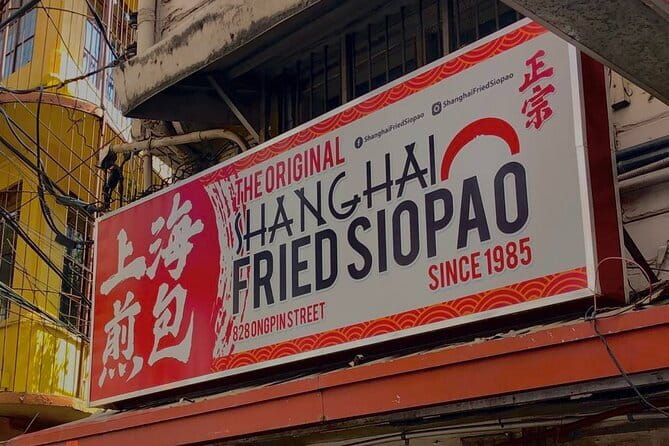
- Traditional dimsum stop at a well-known spot to hit the style at its best
- Historic hopia bakery finale with flaky pastries that sell out for a reason
- Max 15 travelers so it stays friendly and easier to hear your guide
- Pickup plus air-conditioned private transport so you lose less time getting there
Binondo On Foot, With Manila Traffic Off Your Mind
Manila can feel like one long traffic jam, so I really appreciate the basic idea here: start in Binondo Chinatown and let your feet do the work. Instead of burning time in a vehicle, you walk around and explore multiple areas, which helps you actually understand the neighborhood, not just pass through it.
Binondo is also treated as the place to begin if you want the oldest-school Chinatown feeling in Manila. You get a chance to see the older side of the city, then sample food that reflects how cultures mix in real life, not in a textbook.
You’ll also get an English-speaking guide who helps connect what you taste with why it exists. That matters, because the best food tours are not just about quantity, they’re about making sense of the food while you’re still hungry enough to care.
More Food Tours in Manila
- Manila Food Tour: Explore World’s Oldest Chinatown
★ 5.0 · 158 reviews - Manila: Street Food and Drinks Walking Tour with Tastings
★ 4.8 · 114 reviews - Manila: Sightseeing and Food Walking Tour with Tastings
★ 4.7 · 68 reviews
About 10 Dishes That Tell You What Filipino-Chinese Mixing Tastes Like
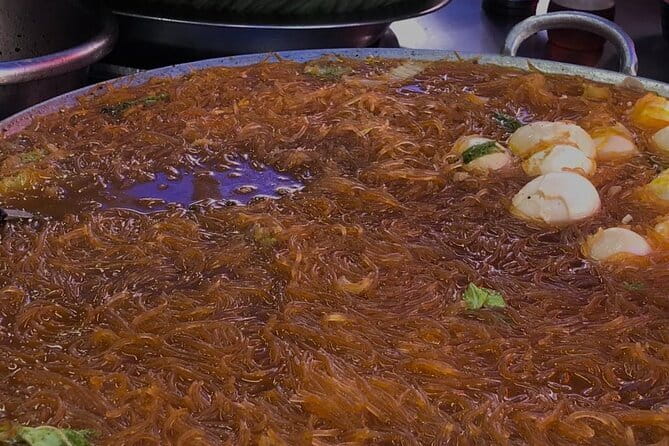
The meal plan is built around learning through eating. You can expect roughly 10 different dishes, with each bite tied to Filipino well-known cuisine you’ll find in the area.
Here’s what that means for you in practice: instead of one big meal with the same flavors, you get a spread of different styles and textures. Chinatown food often swings from savory to sweet, from crispy to steamed, and that variety helps you notice patterns in seasoning and ingredients.
Your guide’s role is key. The tour format is designed so you’ll hear short explanations and then taste right away, so the ideas stick. It’s an efficient way to pick up what makes Filipino-Chinese food different from straight-up Chinese food, and from plain Filipino food alone.
What you can watch for while tasting
You’ll likely see flavors and ingredients that reflect multiple influences, and you can make the experience more fun by paying attention to:
- Texture changes between fried, steamed, and baked items
- Sauce styles that pair with different dumpling or noodle types
- Sweet pastry vs. savory bites, which is a big theme in this route
Even if you’re not a food scholar, you’ll come away with a clearer sense of why Chinatown staples show up in Filipino everyday eating too.
The Chinatown Walk That Actually Helps You Understand Where You Are
This is not a sit-down tour. It’s built on movement, starting with wandering around Binondo and moving through several areas on foot.
That choice is more than just logistics. Walking lets you see the street-level reality of Chinatown, where food businesses and small counters live side by side. It’s also how you keep the pace manageable in a city where getting from one neighborhood to another can eat up your appetite.
There is a drawback to note, and it’s a simple one: you’ll be walking. Wear comfortable shoes, and plan to carry light items only, since you’re doing multiple tastings and you do not want to juggle bags the whole time.
More Binondo Chinatown walks:
- Manila: Intramuros, Chinatown, and Old Manila Half-Day Tour
★ 4.8 · 475 reviews - Manila: Guided Food Tour of Binondo with Tastings
★ 4.8 · 38 reviews - Manila: Binondo Chinatown Guided Walking Tour
★ 5.0 · 27 reviews - Manila: Chinatown Nighttime Tour by Tuk-Tuk
★ 5.0 · 13 reviews
Traditional Dimsum Stop, Done the Classic Way

One of the best parts of this kind of food tour is when you hit a dedicated dimsum stop after you’ve already warmed up with other bites. In this experience, the route continues until you reach a well-known spot for traditional dimsum.
Why that timing works: dimsum is a style that rewards curiosity. Once you’ve tasted a range of other dishes, you’re better able to notice how dimsum plays with fillings, wrappers, and steaming methods. You’ll also be in the right mindset for small plates, because you already started with lots of “just one more bite” energy.
A dimsum stop also tends to bring the group together. Everyone’s scanning the menu, comparing textures, and figuring out what to order next. If you’re someone who likes social food moments, this is usually where the tour feels the most fun.
Ending at a Historic Hopia Bakery for the Sweet Finish
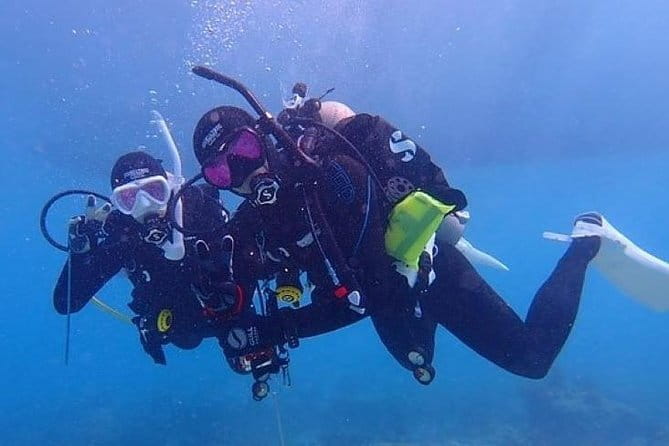
Then you reach the finale: a historic bakery known for hopia. If you’ve never had hopia, think flaky pastry that delivers that sweet, comforting bite, usually filled and baked until crisp.
This finish is smart. After savory tastings and dimsum, hopia acts like a reset. You get something different in flavor and texture, and it’s also a classic example of how Chinese-Filipino food traditions show up in baked goods.
Because it’s a bakery stop, you also get a moment to slow down. You can take your time deciding what to buy or what to taste first, which helps the tour feel like an experience, not only a schedule.
Pickup, Private Transport, and Why It Matters for a Short Tour

This tour is priced at $160 and runs about 3 to 4 hours. That time includes travel plus pickup and drop-off between destinations, so you’re not left guessing how much of your half-day disappears on the road.
What’s included matters for value:
- Air-conditioned vehicle
- All fees and taxes
- English-speaking guide
- Private transportation
Private transport is a big deal in Manila. Even when a walking plan is the goal, you still need smooth movement at the start and end, and the tour is designed around that.
So the value question becomes: are you paying for food alone, or for the whole experience wrapper? Here, you’re paying for the tasting plan, the guiding, and the reduced friction of pickup and drop-off. For a food tour, that’s where the money usually either makes sense or feels wasteful.
One small practical consideration: the start time is 12:30 pm. If you’re the type who prefers a slower morning, this is more of a lunch-forward plan. Go hungry, but not reckless. You’re likely leaving stuffed, so do not plan a huge dinner right after.
Group Size, Pace, and How to Get the Most Out of the Walk
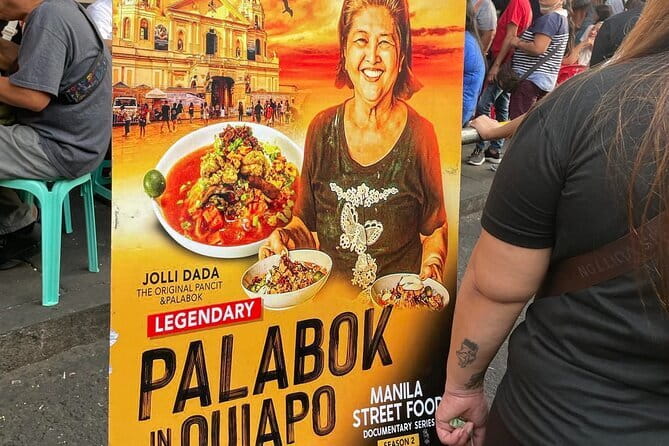
The group limit is 15 travelers. That keeps the tour from turning into a noisy parade, and it usually makes it easier for the guide to manage questions and timing.
The pace is part of the point. You’re walking around to see the neighborhood and tasting enough different dishes that you keep moving with variety. This works best if you’re comfortable eating different things and staying flexible about what your bite order includes.
To get the most out of it, I’d treat this as a “learn by tasting” outing. Ask quick questions when your guide mentions an ingredient or technique, then taste immediately after so the connection lands.
If you’re very picky or have strict dietary limits, this is where you should slow down and think carefully. The tour is built around multiple dishes, so you might not be able to swap every item without changing the experience.
When the Tour Works Best for Your Style

This is a strong fit if you want:
- A guided walk through Binondo with food tastings that build understanding
- A route designed to reduce time lost to traffic
- A mix of savory bites and a classic sweet finale with hopia
It also works well if you’re traveling as a couple or small group and want a friendly atmosphere without feeling lost. The max 15 size and English-speaking guide should help you follow along even if you’re not familiar with Filipino-Chinese food.
Should You Book This Binondo Food Tour?
If you want a short, high-reward food experience that makes sense in a traffic-heavy city, I’d say yes, this is worth serious consideration. The standout pieces are the Binondo start, the roughly 10 dish tasting flow, and the way the tour ends with hopia at a historic bakery after a traditional dimsum stop.
I’d skip or reconsider if you hate walking, need a super light snack plan, or have dietary restrictions that could make a multi-dish tasting difficult. Also note the tour is weather dependent, so you’ll want to check conditions.
If your goal is real Chinatown eating, with enough guidance to understand what you’re tasting, this is the kind of tour that fits your time and keeps the food front and center.
FAQ
How long is the tour?
The tour lasts about 3 to 4 hours, and that total includes travel time plus pickup and drop-off between destinations.
How many dishes will I try?
The tour experience includes tasting about 10 different dishes.
Where does the tour start, and what time does it begin?
It starts at 12:30 pm, with the meeting point listed at Ninoy Aquino Intl Airport and Andrews Ave, Pasay, Luzon 1300 Philippines.
Is pickup included?
Yes, pickup is offered, and the tour starts from the Ninoy Aquino Intl Airport area.
What is the maximum group size?
The tour has a maximum of 15 travelers.
What’s included in the price, and is tip included?
The price includes an air-conditioned vehicle, all fees and taxes, an English-speaking guide, and private transportation. Tip is not included.
What are the cancellation and bad-weather rules?
You can cancel for free up to 24 hours in advance for a full refund. The experience requires good weather, and if it’s canceled due to poor weather, you’ll be offered a different date or a full refund.
Freshly added in Manila
- Underground River with Lunch★ 3.6 · 5 reviews
- Tagaytay Adventure: Volcano Views, Countryside, Market & Cruise!★ 4.5 · 14 reviews
- 3 Days Private Tour in Banaue Ifugao visiting Batad Rice Terraces★ 3.5 · 3 reviews
- Unforgettable Manila Fishing Village Day Excursion 2024★ 5.0 · 4 reviews
- Tagaytay + Hidden Valley Springs: A Scenic Escape w/ Transfers★ 4.0 · 4 reviews
- Tagaytay Day Tour sightseeing with Panoramic Taal volcano view★ 5.0 · 6 reviews
- Cultural Dinner and Show in Manila★ 5.0 · 4 reviews
- indigenous Forest experience Manila 2023★ 5.0 · 4 reviews
Binondo Chinatown Tours, compared.
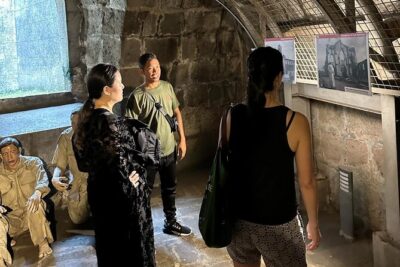
Manila: Intramuros, Chinatown, and Old Manila Half-Day Tour
Read our review →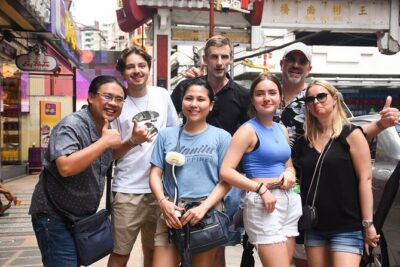
Manila Food Tour: Explore World’s Oldest Chinatown
Read our review →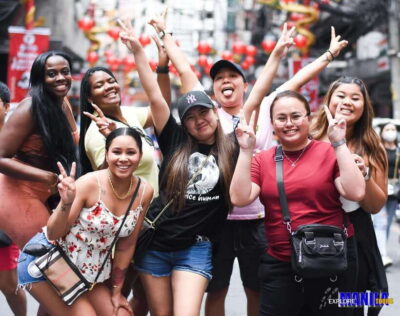
Manila: Guided Food Tour of Binondo with Tastings
Read our review →Manila: Intramuros, Chinatown, and Old Manila Half-Day Tour
Read our review →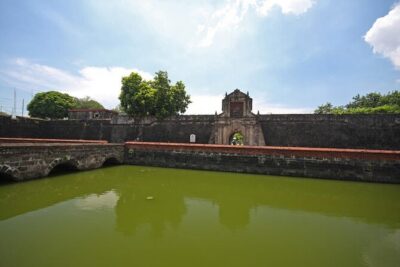
Intramuros & Chinatown Manila Tour – Walking, Food & Culture
Read our review →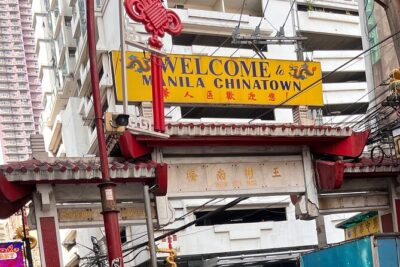
Manila: Binondo Walking Tour ( Oldest Chinatown )
Read our review →
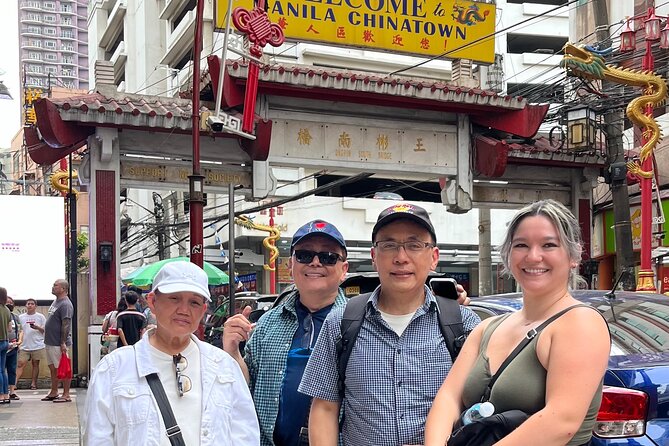
Browse the lists this tour appears in