
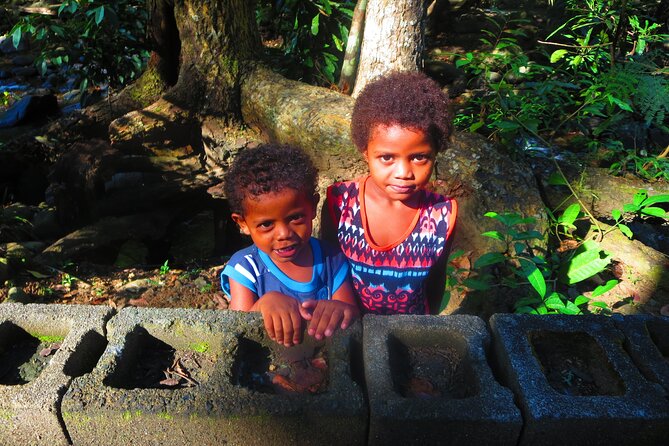
REVIEW · MANILA TOURS
indigenous Forest experience Manila 2023
Jungle knowledge, shared face to face. This full-day Aetas visit in Subic Bay (Pamulaklakin trail) is interesting because you’re not just looking at nature, you’re learning how people live with it. I especially liked the traditional bamboo lunch and the way the guides point out practical jungle survival knowledge, including plants with medicinal value. The main drawback to plan for is the early 6:30 am start and that you’ll do a walking portion on the forest trail.
You’ll also appreciate the small-group feel, with a maximum size of 15, plus an air-conditioned vehicle for comfort in transit. The day runs about 10 to 12 hours, with a guided focus on the Binictican Hills area of Subic Bay Olongapo, which makes it a good value day trip if you want something real instead of a checklist of photos.
In This Review
- Key highlights that make this day trip click
- Entering the Pamulaklakin trail world
- The early start, comfortable transit, and how the day flows
- Meeting the Aetas guides: medicinal plants and survival skills
- The bamboo-prepared lunch: more than a meal stop
- What happens on the forest trail portion
- Price and value: is $160 a fair deal?
- Weather changes and guide flexibility
- Who this suits best (and who should think twice)
- Should you book this Aetas forest day trip?
- FAQ
- What is the main location for this indigenous forest experience?
- How long does the tour last?
- What time does the tour start?
- What is included with the Pamulaklakin Forest Trail stop?
- Is lunch included, and what style is it?
- Do you get pickup or transfers from Manila?
- How large is the group size?
- What kind of transportation is used?
- What if the weather is poor?
- When will I receive confirmation after booking?
Key highlights that make this day trip click
- Small-group cap of 15 keeps the experience personal and questions actually get answered
- Pamulaklakin Forest Trail time is built in, with 3 hours on the trail area
- Traditional lunch inside bamboo adds a hands-on, local touch to the meal
- Jungle survival demonstrations help you understand the everyday usefulness of the forest
- Medicinal plant spotting makes the walk feel purposeful, not just scenic
- Two-guide energy (a tour guide plus an Aetas guide) keeps the storytelling engaging
Entering the Pamulaklakin trail world
This is the kind of day trip where the “tour” part matters less than the learning part. You’re headed to the Pamulaklakin Forest Trail in the Binictican Hills area of Subic Bay Olongapo, and that setting is key. It’s described as one of the few remaining untouched rainforest areas in the Philippines, which helps explain why the Aetas community still uses the surrounding environment as part of day-to-day life.
What I like most is the shift in how you pay attention once you’re there. Instead of walking and thinking, pretty plants, you start noticing why a plant matters. The guidance focuses on how jungle resources support everyday needs, including survival know-how. In practical terms, it turns a forest walk into a living lesson, where the guide can explain uses and features as you go.
There’s also a small-group pace, max 15 people. That matters because the forest trail is not the place for long, slow speeches. In a smaller group, you can actually hear what’s being explained and still move at a walking rhythm.
One thing to keep in mind: this is still a full-day outing. Even though you do a trail portion, the whole day is structured around transport, visiting, and the lunch experience. If you’re someone who prefers quick trips, this might feel like a commitment, but it’s also how they fit a full cultural day into one schedule.
More of Manila worth pencilling in:
- Intramuros, Manila: Historical Bamboo Bike Tour
★ 4.8 · 583 reviews - Experience Intramuros with Bamboo Bicycle – Ecotours
★ 5.0 · 508 reviews - Manila: Intramuros, Chinatown, and Old Manila Half-Day Tour
★ 4.8 · 475 reviews
The early start, comfortable transit, and how the day flows
The day begins at 6:30 am, so plan your sleep like it’s part of the itinerary. You’ll travel from Manila to Subic Bay Olongapo in an air-conditioned vehicle, and that’s a real comfort factor for a long day. The tour also offers free transfers from select areas in Manila, which reduces the hassle of figuring out how to get to the meeting point on time.
The total duration is listed as 10 to 12 hours. That time range is normal for a full-day cross-region experience, but it also tells you something important: you’ll be active and you’ll be on a schedule. I’d treat the day like a single long block, not a “squeeze it in” kind of excursion.
A big value signal here is the structure that includes both travel comfort and a meaningful on-the-ground segment. You’re not just shuttled out and dropped at a view spot. The guide-led experience is built around a trail visit and community interactions, including demonstrations and lunch.
Also, the tour uses a mobile ticket, which is convenient. On a day like this, the less you have to manage your paperwork, the better.
If your priority is an easy, sit-and-watch day, this may not be your match. The forest walk requires some walking, and the experience is designed around learning on foot.
Meeting the Aetas guides: medicinal plants and survival skills
The heart of this experience is meeting the Aetas community in the Binictican Hills area and learning from their connection to the forest. The tour is specifically positioned as a guided visit with demonstrations of jungle survival skills and everyday uses of local nature.
I like how the instruction is practical. One guide I learned about from a guide experience was Eddie, who was praised for being involved and for pointing out many plants with medicinal value. Another named guide from the same overall style of experience was Ricky, also praised for answering questions and making the day fun, not stiff.
That’s the vibe you want to look for on this kind of tour: someone who can translate the forest into real-life uses. When you’re shown medicinal plants, you start understanding the logic of foraging and why certain knowledge gets shared within the community. Even if you won’t remember every plant name, you’ll come away with the bigger idea: survival here is about knowing what to use and when.
The Aeta guide style also tends to be engaging rather than distant. One account described an Aetas guide showing trees used as medicine and then treating people to lunch. That’s a big part of why this feels human and not like a stage show.
One consideration: because this is a learning-based walk and community visit, it’s not the best option if you need silence and quiet. You’ll be listening, asking questions, and moving along a trail at a guided pace.
The bamboo-prepared lunch: more than a meal stop
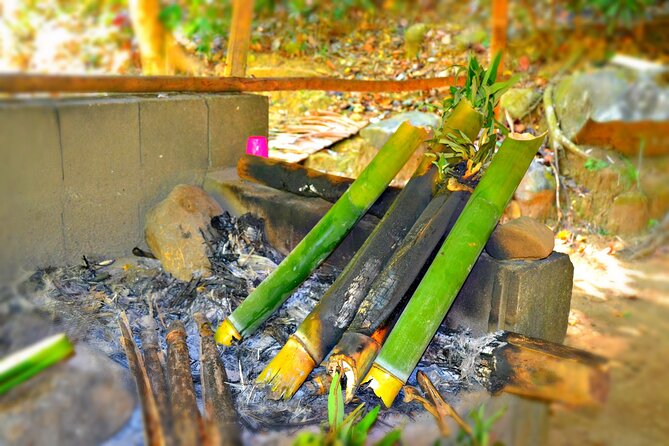
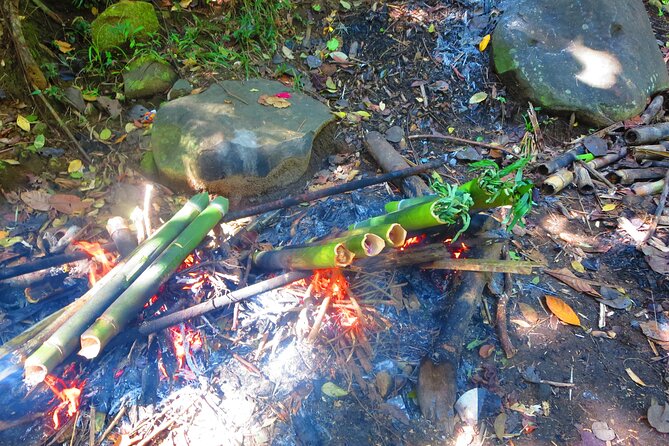
Let’s talk lunch, because this is where the day becomes memorable for many people. The meal is described as a traditionally prepared lunch cooked inside bamboo. That means it’s part cultural and part sensory.
Practically, a bamboo-prepared lunch matters because it turns “food as a checkbox” into food as a story. Bamboo cooking usually implies a method that’s local and familiar to the community. Even without getting lost in technique details, you’ll feel the difference from a standard restaurant lunch.
I also like that lunch isn’t just served and forgotten. The lunch experience is tied to the forest visit and the demonstrations. In one described experience, the lunch with bamboo was called delicious, and there was even mention of bamboo cups made on the spot as souvenirs. That kind of small, hands-on touch is what makes the meal feel integrated with the day.
What you can do to enjoy it more: come hungry, and pace yourself on the trail. When you know the lunch is part of the experience, it’s easier to take your time, listen carefully, and not rush the walking portion.
If you have strict dietary needs, this is the part where you should double-check before you go. The tour data doesn’t list dietary customization details, so don’t assume you’ll be able to swap or find a specific meal type.
A different kind of day in the islands:
- Manila: Old & New 4-Hour City Tour
★ 4.5 · 458 reviews - Spectacular Manila to Tagaytay: Full-Day Sightseeing Tour
★ 5.0 · 349 reviews - Makati Nightlife: VIP Access to Clubs, Rooftops & Go-Go Bars
★ 4.9 · 278 reviews - Discover Tagaytay’s Countryside: Half-Day Sightseeing Tour
★ 4.5 · 207 reviews
What happens on the forest trail portion
Your main on-the-ground stop is the Pamulaklakin Forest Trail, set for about 3 hours, with admission included. This is the time you’ll do the walking and receive most of the guide explanations.
Here’s how to think about that 3-hour block. It’s not “see the forest and take photos.” It’s walk, learn, ask questions, and connect specific plants and skills to what you’re experiencing. The medicinal plants focus helps the trail feel purposeful. You’re getting an explanation for what you’re seeing, instead of just observing.
You should also plan for walking. One account specifically warned to be prepared for the walking tour. That doesn’t mean it’s an extreme hike, but it does mean you should wear shoes you trust and be ready for a guided pace over uneven natural ground.
I’d also bring a mindset shift. If you expect a nature walk with no learning angle, you might be a little bored. If you go expecting to learn why things are useful, you’ll get more out of every minute on the trail.
Small group size helps here too. In a group of up to 15, you can stop and hear explanations without everyone getting spread out too far. That improves the learning part and keeps the day feeling organized.
Price and value: is $160 a fair deal?
At $160 per person, this is not a “cheap add-on,” but it also isn’t overpriced for what’s included. Here’s what you are paying for:
- A full day of transport from Manila to Subic Bay Olongapo in an air-conditioned vehicle
- Free transfers from select Manila areas
- A guided visit that includes a community interaction and demonstrations of survival skills
- Admission included for the Pamulaklakin Forest Trail
- A traditionally prepared bamboo lunch
- A small group format (max 15), which you feel when you ask questions
When you break it down, the value isn’t just the trail access. It’s the guided learning plus the lunch experience plus the community-led portion. If you’re the type of traveler who likes culture and practical knowledge, this can feel like a strong deal because you get more than a scenic stop.
If you’re chasing a bargain, this may feel like a lot compared to a simple nature tour. But if your goal is an indigenous community encounter with hands-on learning, the price starts to make sense.
One more practical point: the tour is described as being booked on average 56 days in advance. That doesn’t guarantee it will sell out fast, but it’s a sign it’s popular enough that you’ll probably want to reserve earlier rather than waiting until the last week.
Weather changes and guide flexibility
The Philippines has weather swings, and the tour data specifically says the experience requires good weather. If conditions are poor, the company will either offer a different date or a full refund.
There’s also a real-world detail here: one described experience said the tour had been changed because of a typhoon, and the guide and trainer still helped patiently lead people through scenes they had never seen before. That suggests you should expect flexibility if the plan shifts, with guides trying to preserve the best parts of the day.
How to use this as advice: don’t lock yourself into tight follow-up plans right after. Give yourself some buffer on your schedule, because weather can adjust timing. Also, keep a calm attitude if the itinerary changes slightly. The value of this kind of tour comes from the people leading you, not from a single rigid script.
Who this suits best (and who should think twice)
This experience is a strong fit if you:
- Want an indigenous community visit focused on real knowledge, not just photo stops
- Enjoy guided explanations and questions during a nature walk
- Care about a cultural meal experience, not just eating somewhere convenient
- Prefer small groups, max 15, for a more personal pace
It may be less ideal if you:
- Want a low-walking day with minimal movement
- Have strict dietary requirements and need guaranteed meal options (the tour data confirms bamboo lunch, but doesn’t cover alternatives)
- Can’t handle an early start at 6:30 am and a long day that goes 10 to 12 hours
If you’re planning around other Subic Bay activities, this trip works well because it gives you a different type of experience than beach or sightseeing. It’s also a good choice if you’re interested in seeing the Binictican Hills area through a local lens.
Should you book this Aetas forest day trip?
If your goal is to learn from the Aetas community about survival skills and how jungle plants support everyday life, I think it’s worth booking. The combo of Pamulaklakin Forest Trail time, a hands-on bamboo lunch, and a small-group format is a rare mix in one day.
I’d book it when you can commit to a full day and you’re comfortable with some walking on the trail. If weather might be unstable during your dates, pick it with enough flexibility to handle a date change.
Overall, this is the kind of tour that feels like a guided introduction to how people live with the forest, not just a viewpoint excursion. If that’s what you’re after, you’ll likely come away with more than photos, you’ll come away with practical respect for local knowledge.
FAQ
What is the main location for this indigenous forest experience?
The tour is based around the Pamulaklakin Forest Trail in the Binictican Hills of Subic Bay Olongapo, with a full-day visit with the Aetas Tribe.
How long does the tour last?
The tour duration is approximately 10 to 12 hours, with about 3 hours at the Pamulaklakin Forest Trail stop.
What time does the tour start?
The start time is listed as 6:30 am.
What is included with the Pamulaklakin Forest Trail stop?
Admission Ticket is included for the Pamulaklakin Forest Trail stop.
Is lunch included, and what style is it?
Yes. You’ll enjoy a traditionally prepared lunch, prepared inside bamboo.
Do you get pickup or transfers from Manila?
Free transfers are offered from select areas of Manila.
How large is the group size?
The tour has a maximum size of 15 travelers.
What kind of transportation is used?
You travel in comfort in an air-conditioned vehicle.
What if the weather is poor?
The experience requires good weather. If it’s canceled due to poor weather, you’ll be offered a different date or a full refund.
When will I receive confirmation after booking?
Confirmation is received at the time of booking, unless you book within 8 hours of travel. In that case, confirmation is received as soon as possible, subject to availability.
Freshly added in Manila
- Underground River with Lunch★ 3.6 · 5 reviews
- Unforgettable Manila Fishing Village Day Excursion 2024★ 5.0 · 4 reviews
- Tagaytay Adventure: Volcano Views, Countryside, Market & Cruise!★ 4.5 · 14 reviews
- 3 Days Private Tour in Banaue Ifugao visiting Batad Rice Terraces★ 3.5 · 3 reviews
- Tagaytay + Hidden Valley Springs: A Scenic Escape w/ Transfers★ 4.0 · 4 reviews
- Tagaytay Day Tour sightseeing with Panoramic Taal volcano view★ 5.0 · 6 reviews
- Cultural Dinner and Show in Manila★ 5.0 · 4 reviews
- Shared Old Manila Tour★ 5.0 · 5 reviews
Manila Tours, compared.

Intramuros, Manila: Historical Bamboo Bike Tour
Read our review →
Experience Intramuros with Bamboo Bicycle – Ecotours
Read our review →
Manila: Intramuros, Chinatown, and Old Manila Half-Day Tour
Read our review →

Spectacular Manila to Tagaytay: Full-Day Sightseeing Tour
Read our review →
Makati Nightlife: VIP Access to Clubs, Rooftops & Go-Go Bars
Read our review →
Discover Tagaytay’s Countryside: Half-Day Sightseeing Tour
Read our review →
From Manila: Tagaytay Countryside Wonders: A Half-Day Tour
Read our review →Browse the lists this tour appears in