

REVIEW · INTRAMUROS TOURS
Manila: Walled City Intramuros Walking Tour
Intramuros feels like Manila trapped in time. What makes this walk so compelling is the way the guide turns Fort Santiago and the Battle of Manila in 1945 into story you can actually picture. I especially like the mix of sites, Spanish-era landmarks paired with the WWII reality, and the smooth pacing that includes a short ride to rest your legs. One drawback to plan for upfront: you’re walking about 5,000 steps on cobblestones, and you’ll need modest clothes for church visits.
This is a relaxed half-day, about 3 to 3.5 hours, with guided stops plus small pockets of free time. You’ll see major anchors of Old Manila, including Manila Cathedral and the UNESCO World Heritage Baroque Church of San Agustin, then wrap up at Casa Manila Museum for a look at 19th-century Filipino living. If you’re sensitive to long uneven walks or you’re bringing a big camera setup, it’s better to rethink your expectations.
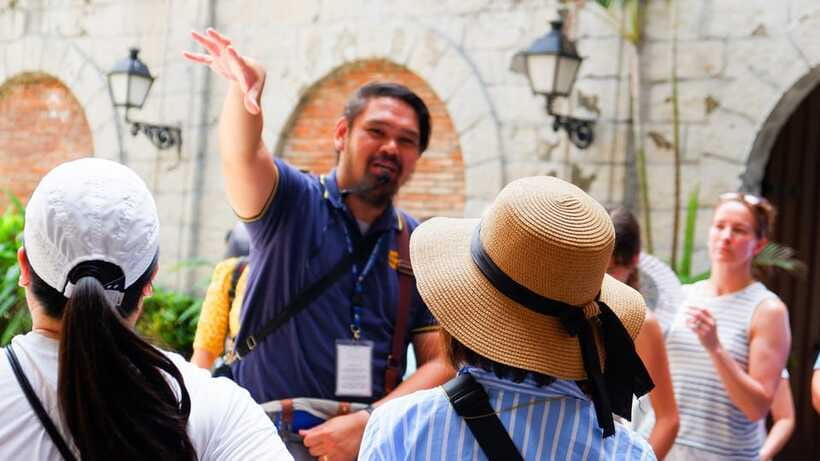
The best part is the guide. In particular, Andre is repeatedly praised for clear, easy-to-follow English and for making history feel organized, not like a lecture. The group vibe also tends to feel friendly, with enough structure that people can actually hear the stories.
In This Review
- Key highlights you’ll care about
- Entering Fort Santiago, the best “first chapter” of Old Manila
- Rizal Shrine at Fort Santiago, a thoughtful stop for José Rizal
- Manila Cathedral and Plaza Roma, where the walk opens up
- A kalesa or tranvia ride, a smart break in the middle
- Memorare Manila 1945, facing WWII without getting numb
- San Agustin Church, UNESCO Baroque architecture and a photo pause
- Casa Manila Museum wrap-up, stepping into 19th-century daily life
- Pace, dress code, and what 5,000 steps feels like in real life
- Value check: is $31 a good deal for this half-day?
- Who should book this Intramuros tour, and who should skip it
- Should you book this Intramuros walking tour?
- FAQ
- How long is the Intramuros walking tour?
- Where does the tour start?
- What places will we visit during the tour?
- Does the tour include museum and entry tickets?
- Is there a live guide and what language is it in?
- Is there time for free exploration?
- Is there a ride during the tour besides walking?
- Is there a dress code?
- Does the tour run in rain?
- Is the tour wheelchair accessible?
- Are professional cameras allowed?
Key highlights you’ll care about
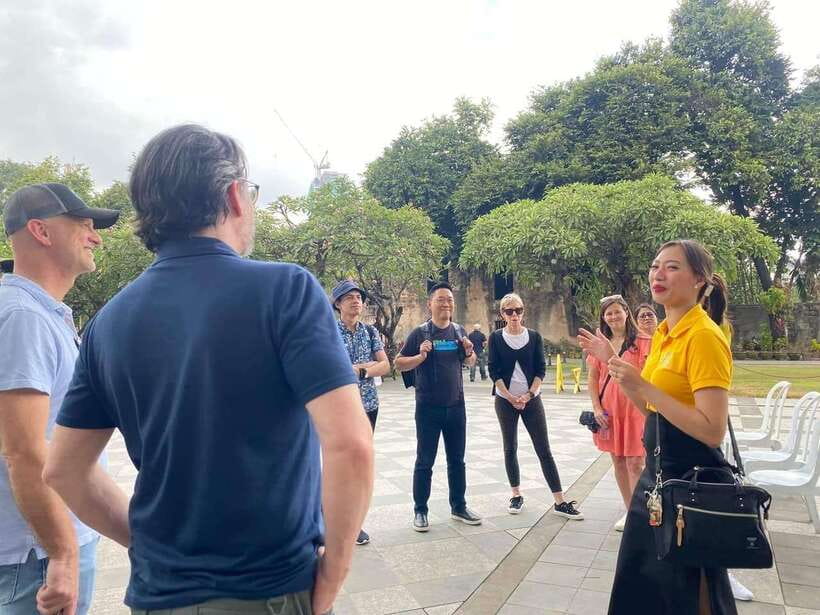
- Fort Santiago first, with river views and a solid start to the story
- Rizal Shrine stop with a focused look at José Rizal’s final days
- WWII moments at Memorare Manila 1945, taught with care and context
- San Agustin Church visit, including its UNESCO status and photo stop
- Casa Manila Museum finish, stepping into a recreated 19th-century home
Entering Fort Santiago, the best “first chapter” of Old Manila
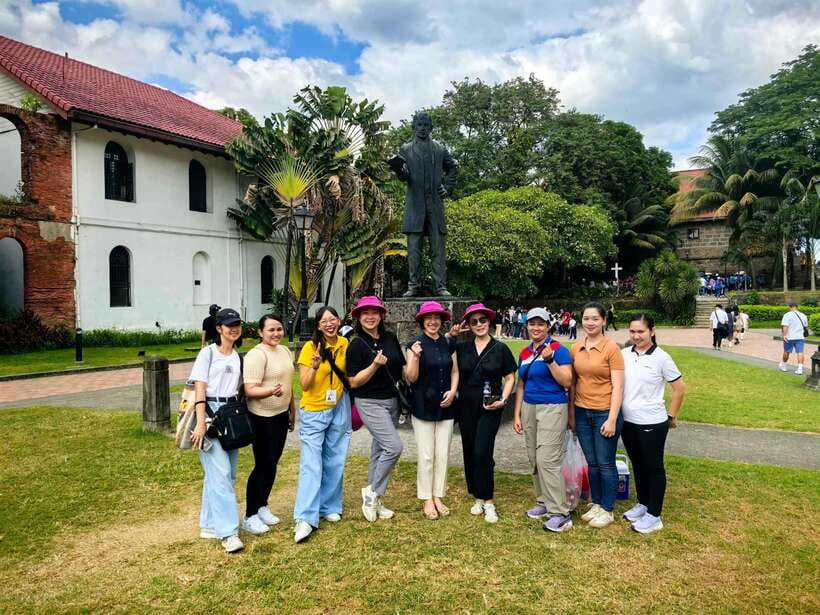
Your tour starts at Fort Santiago, and that timing matters. It gives you a clear historical anchor right away, before you start wandering through streets that can otherwise feel like set dressing. You’ll get a guided look around the fortgrounds, including time to take in views by the river, then move on with stories that connect the fort to the colonial origins of the city.
I like this start because it sets the tone without rushing you. You’re not just getting dropped at one photo spot after another. Instead, the guide explains who was connected to this place and why it mattered, then you get to absorb the atmosphere as you walk.
One practical thing to know: Fort Santiago is part of your entry-tickets included, so you’re not scrambling for admissions when you arrive. Comfortable shoes pay off here, since the walking is on cobblestone and can be uneven.
If you’re the type who likes your history tied to specific places, this opening works. If you prefer totally carefree sightseeing with no guided narration, the fort start might feel a bit structured, but it still stays relaxed.
More City Tours in Manila
- Manila: Old & New 4-Hour City Tour
★ 4.5 · 458 reviews - Full-Day Manila City, Tagaytay Taal Volcano and Lake Tour
★ 4.3 · 139 reviews - Manila Ninoy Aquino Airport (MNL) Private Transfer to Manila City
★ 4.5 · 128 reviews
Rizal Shrine at Fort Santiago, a thoughtful stop for José Rizal
After Fort Santiago, you’ll have a photo stop and guided time at the Rizal Shrine within the same area. The focus here is José Rizal and his final days, presented in a way that’s meant to be engaging and easy to follow.
This stop is short, but it’s also one of the most emotionally grounded moments on the route. I appreciate that the tour doesn’t treat the shrine like a quick checklist item. You’re given just enough time for the story to land, then you move on before the day gets too tiring.
Dress and behavior matter at religious and memorial sites. The tour notes a modest dress code for churches and selected sites, so plan your outfit accordingly. Also, professional cameras are not allowed, which is something to consider if you’re doing serious photography. A normal phone camera is typically fine, but keep it simple.
Manila Cathedral and Plaza Roma, where the walk opens up
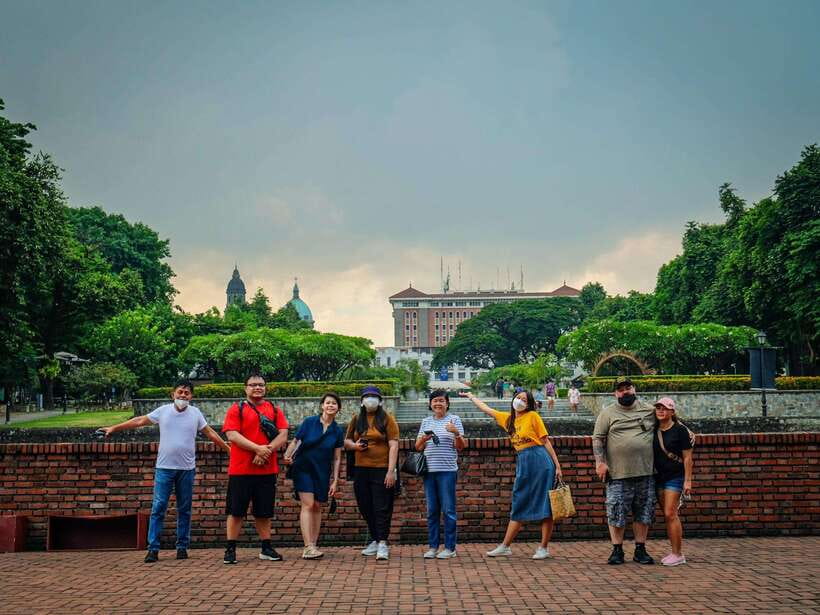
Next comes Manila Cathedral, with guided time plus a little free time built in. That combo is a good design for a guided walking tour. You get the context first, then you can take in what you like at your own pace.
Even within the short window, this stop helps you understand how the city center functioned through different eras. The guide’s narration is meant to connect Spanish times to the later chapters, so you’re not just looking at architecture. You’re learning what you’re looking at and why it’s part of the city’s story.
I also like that there’s free time here. You might use it to pause, look around, or regroup before the day turns more physical again on the streets.
If you tend to get impatient with guided stops, focus on the free time. It gives you a chance to breathe without losing the flow of the tour.
A kalesa or tranvia ride, a smart break in the middle

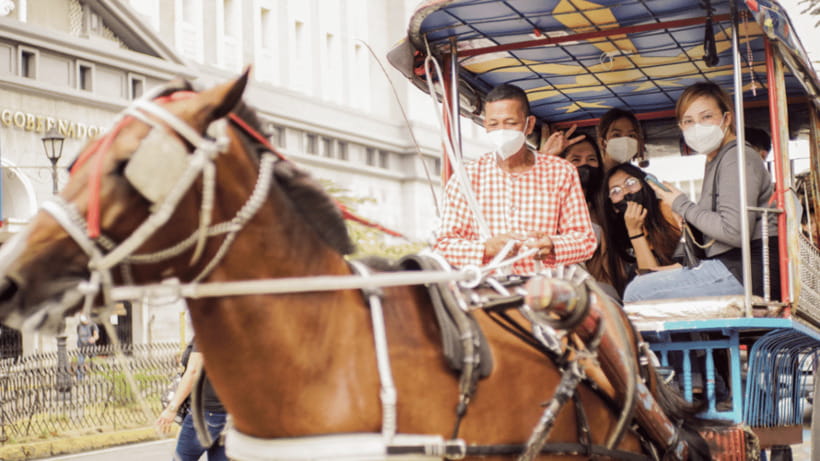
Intramuros has a lot of walking, and the tour understands that. You’ll include a horse-drawn carriage ride (kalesa) or a tranvia ride for about 20 minutes, right inside the Intramuros area.
This is more than a novelty. It’s a break that keeps the day enjoyable, especially after cobblestones and uneven ground. It also helps you get a different perspective of the historic streets compared with purely on-foot sightseeing.
One thing I’d plan for: the day still includes a sizable walk overall, roughly 5,000 steps. The ride helps, but it doesn’t erase the need for sturdy shoes and patience with uneven surfaces.
If you’re traveling with friends and want everyone to have a laugh and a rest, this is the spot.
More Walking Tours in Manila
- Manila: Street Food and Drinks Walking Tour with Tastings
★ 4.8 · 114 reviews - Manila: Sightseeing and Food Walking Tour with Tastings
★ 4.7 · 68 reviews - Manila: Intramuros Walking Tour.
★ 4.9 · 63 reviews - Intramuros Walking Tour with Transportation by Don’t Skip Manila
★ 5.0 · 46 reviews
Memorare Manila 1945, facing WWII without getting numb

Memorare Manila 1945 is where the tour shifts tone. You’ll get guided time and walk through the area while learning about the stark realities of World War II and the Battle of Manila in 1945.
This is one of the most important stops on the route because it explains how the city endured and rebuilt after the war. Even if you already know the basics, having it tied to a specific place helps the story feel less abstract.
I like that the tour frames it as a lesson in resilience, not just tragedy. Still, it’s handled with a seriousness that fits the subject. Go in with open eyes and a moment of quiet attention, not just a checklist mindset.
If you’re traveling with someone who dislikes heavier historical topics, it’s worth preparing them that this stop is emotionally heavier than the church and museum portions.
San Agustin Church, UNESCO Baroque architecture and a photo pause
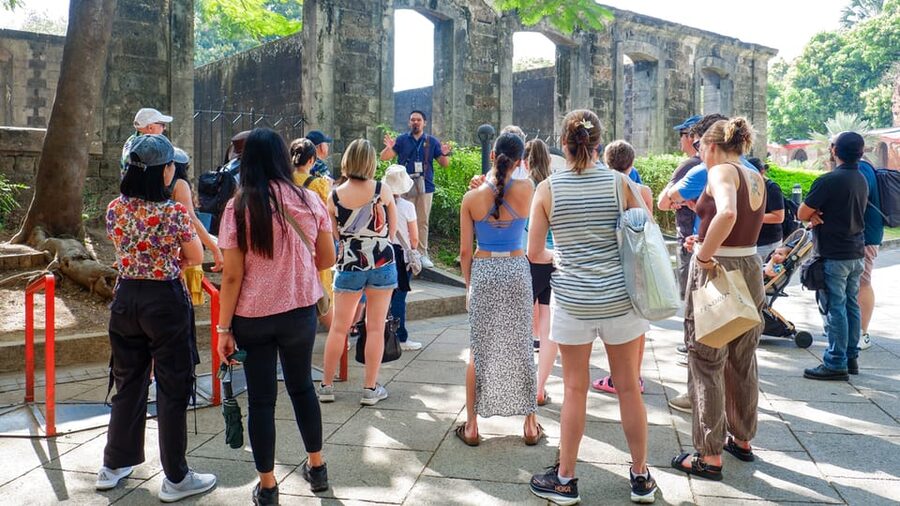
Then you’ll reach San Agustin Church, with a photo stop plus guided visit time. This church is specifically highlighted as a UNESCO World Heritage Baroque Church, so you’re not guessing why it’s famous.
This portion tends to feel good after the WWII stop. It shifts back toward visible beauty, craftsmanship, and the kind of architecture that makes you slow down without trying. You’ll have a short guided explanation, then time to look and take pictures.
One practical reminder: the tour specifies modest dress expectations for churches and selected sites. If you’re wearing something borderline, this is where it can become an issue. Aim for comfortable, covered clothing so you can enjoy the stop without stress.
Also note: professional cameras are not allowed. If you’re hoping for dramatic shots with big gear, this is the moment where you might need to adjust your plan.
Casa Manila Museum wrap-up, stepping into 19th-century daily life
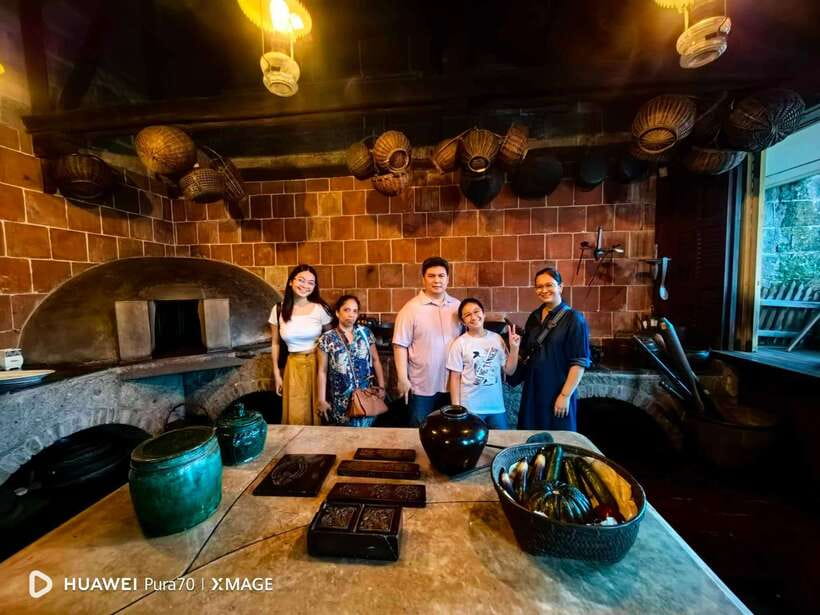
The tour ends at Casa Manila, where you’ll visit the Casa Manila Museum. Expect guided time inside a recreated 19th-century home, with an emphasis on daily life, traditions, and family life during the Spanish colonial period.
I like museum finishes on walking tours because they help you convert what you’ve learned into something tangible. After forts, shrines, and churches, Casa Manila turns the big themes into everyday scenes. It’s a gentle but meaningful close to the route.
You’ll also notice the tour keeps this final block contained: around 30 minutes inside, then you’re done. That makes it easier to plan dinner afterward, without the museum dragging into the evening.
If you want something more than scenery, this is where you get it. The tour isn’t just about landmarks. It’s about understanding how people lived through those eras.
Pace, dress code, and what 5,000 steps feels like in real life
This is a walking tour covering about 5,000 steps. Cobblestone streets and uneven surfaces are part of the deal, so you’ll want comfortable shoes you trust.
The tour also runs rain or shine. That means you should pack for whatever Manila weather decides to do. Water helps, sun protection helps, and a small umbrella can save your day.
Dress code is not optional. The tour advises avoiding sleeveless tops, short shorts, or revealing outfits because churches and selected sites require modest dress. If you’ve got a loose, light layer that covers your shoulders and knees, bring it.
A few other practical notes from the tour rules:
- No pets
- No smoking or vaping
- No alcohol or drugs
- Professional cameras are not allowed
- Avoid making noise
Finally, it may not be ideal for limited mobility. It’s also specifically called out as not suitable for wheelchair users, people with respiratory issues, visually impaired people, and people over 95. If any of those apply, you’ll likely enjoy the sights more with a different format.
Value check: is $31 a good deal for this half-day?
At around $31 per person for about 3 to 3.5 hours, this tour can feel like a bargain if you compare it to the full cost of doing everything separately.
Here’s why the value holds up:
- You get a live English guide for the full route.
- Entry tickets are included for Fort Santiago, the José Rizal shrine, and Casa Manila Museum.
- You get refreshments during the tour.
- You also include a kalesa or tranvia ride, which breaks up walking and adds atmosphere.
The main reason I see this as good value is the guided structure. Intramuros can be easy to wander through without understanding what you’re seeing. With the guide, each stop connects to the next, from colonial origins to the WWII chapter and then into reconstructed everyday life.
The one cost you should expect is that entrance fees may apply at certain sites payable on the day. The tour includes major entries, but it’s smart to be ready for small extras depending on the exact stop mix.
Who should book this Intramuros tour, and who should skip it
This tour is ideal if you:
- Want a first serious pass through Old Manila in a short time
- Like a story-driven route, not random stops
- Appreciate a mix of Spanish-era sites, José Rizal context, and WWII history
- Prefer tours with clear organization and strong English guidance
It may not be your best choice if you:
- Need a fully flat, low-step itinerary
- Struggle with uneven cobblestones
- Need quiet, low-impact history, since WWII is part of the experience
- Plan to bring professional camera gear, since that’s not allowed
Also, if you’re traveling with friends, this format works well because it’s structured enough to keep the group moving, but not so rushed that everyone feels left behind.
Should you book this Intramuros walking tour?
If you want a smart, story-led introduction to Old Manila, I’d book it. You get major landmarks, museum time, and a ride break, all wrapped into a half-day you can actually fit into a Manila itinerary.
It’s also a good call if you care about how the city connects across time, from colonial origins to the Battle of Manila in 1945, then into the recreated daily life at Casa Manila. Just respect the practical reality: bring good shoes, dress modestly, and be prepared for a lot of walking on uneven ground.
If that walking and dress code don’t work for you, then skip it and choose a different format that matches your pace.
FAQ
How long is the Intramuros walking tour?
The tour lasts about 3 to 3.5 hours.
Where does the tour start?
It starts at Fort Santiago. The meeting point may vary depending on the option booked, and one listed meeting area is near HXVC+8F5, United Philippine Lines.
What places will we visit during the tour?
You’ll visit Fort Santiago, the Rizal Shrine at Fort Santiago, Manila Cathedral, Intramuros for a kalesa or tranvia ride, Memorare Manila 1945, San Agustin Church, and finish at Casa Manila Museum.
Does the tour include museum and entry tickets?
Yes. Fort Santiago entry, Jose Rizal shrine entry, and Casa Manila Museum entry tickets are included.
Is there a live guide and what language is it in?
Yes, you’ll have a live tour guide, and the tour language is English.
Is there time for free exploration?
There is free time at Manila Cathedral.
Is there a ride during the tour besides walking?
Yes. The tour includes a kalesa or tranvia ride for about 20 minutes.
Is there a dress code?
Yes. The tour recommends modest attire for churches and selected sites, and advises avoiding sleeveless tops and short or revealing outfits.
Does the tour run in rain?
Yes, it operates rain or shine.
Is the tour wheelchair accessible?
No, it is not suitable for wheelchair users and may not be ideal for limited mobility.
Are professional cameras allowed?
No, professional cameras are not allowed.
More Intramuros walks
- Intramuros, Manila: Historical Bamboo Bike Tour
★ 4.8 · 583 reviews - Experience Intramuros with Bamboo Bicycle – Ecotours
★ 5.0 · 508 reviews - Manila: Intramuros, Chinatown, and Old Manila Half-Day Tour
★ 4.8 · 475 reviews - Manila: Guided Sunset Bamboo Bike Tour in Intramuros
★ 4.8 · 119 reviews
Freshly added in Manila
- Underground River with Lunch★ 3.6 · 5 reviews
- Tagaytay Adventure: Volcano Views, Countryside, Market & Cruise!★ 4.5 · 14 reviews
- 3 Days Private Tour in Banaue Ifugao visiting Batad Rice Terraces★ 3.5 · 3 reviews
- Unforgettable Manila Fishing Village Day Excursion 2024★ 5.0 · 4 reviews
- Tagaytay + Hidden Valley Springs: A Scenic Escape w/ Transfers★ 4.0 · 4 reviews
- Tagaytay Day Tour sightseeing with Panoramic Taal volcano view★ 5.0 · 6 reviews
- Cultural Dinner and Show in Manila★ 5.0 · 4 reviews
- indigenous Forest experience Manila 2023★ 5.0 · 4 reviews
Intramuros Tours, compared.

Intramuros, Manila: Historical Bamboo Bike Tour
Read our review →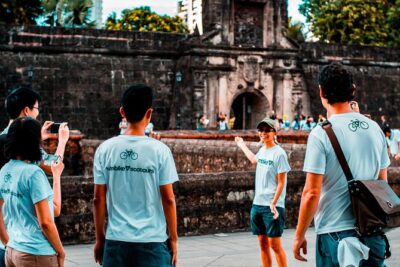
Experience Intramuros with Bamboo Bicycle – Ecotours
Read our review →
Manila: Intramuros, Chinatown, and Old Manila Half-Day Tour
Read our review →
Manila Old and New: Sightseeing Tour Including Intramuros and Fort Santiago
Read our review →
Manila: Guided Sunset Bamboo Bike Tour in Intramuros
Read our review →
Explore Intramuros: Introduction to Philippine History
Read our review →
Experience Manila’s Heritage: Intramuros & More in Half a Day!
Read our review →Browse the lists this tour appears in