
REVIEW · INTRAMUROS TOURS
Manila: Intramuros Tour ( Dark)
Intramuros gets dark fast. This Intramuros walking tour leans into the haunted side of Old Manila, with a guide who connects eerie local tales to real historical violence and loss, starting at Fort Santiago. You’ll move through the walled city’s major landmarks while hearing stories tied to Spanish rule, war, and the people who paid the price.
What I like most is how the tour uses Fort Santiago as the emotional anchor, including Dr. Jose Rizal’s last prison cell and the accounts tied to dungeons and prisoner of war deaths. I also love that it does more than scare you, it pairs the horror with named patriots like Rajah Sulayman, Andres Novales, Gen. Vicente Lim, and finally Andres Bonifacio at the Bonifacio Shrine.
The main drawback to consider is that this is heavy material and fairly physical. Expect a lot of walking, and it is not suitable for children under 12, pregnant women, people with mobility impairments, or wheelchair users.
In This Review
- Key things you’ll remember from this dark Intramuros walk
- A dark story walk that still feels organized
- Where the tour starts at Fort Santiago
- Fort Santiago: dungeons, old barracks, and what happened to prisoners
- Old American barracks and the places tied to spirit sightings
- Rajah Sulayman, Andres Novales, and Gen. Vicente Lim
- Dr. Jose Rizal’s last prison cell and reformism
- The dungeons and POW chambers, including the 600 deaths
- Intramuros inside: the walled city as a theater of survival
- Manila Cathedral: when religion and government collide
- General Luna Street: Philippine-American war courage and sacrifice
- Saint Agustin Church: resiliency through changing eras
- Bonifacio Shrine at Manila City Hall: finishing with the revolution
- Price and value: what $48 buys in a 2-hour format
- How engaging the guides can be
- What to bring, and how to prepare your body and mindset
- Who should book this Intramuros dark tour
- Should you book this dark Intramuros tour?
Key things you’ll remember from this dark Intramuros walk
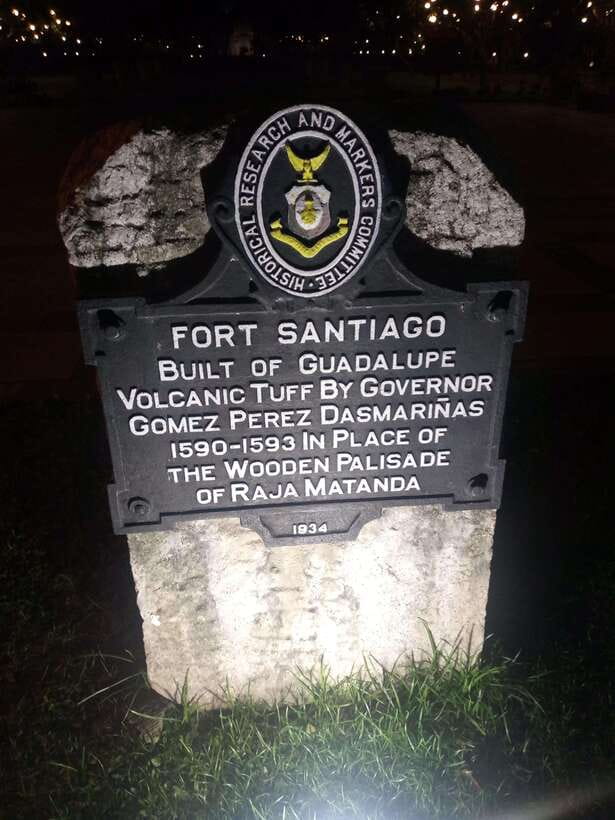
- Fort Santiago as the centerpiece, with dungeons, old barracks, and major war-era locations
- Rizal’s last prison cell, plus stories about reformism and how those ideas shaped the nation
- POW chambers and mass grave tributes, including what happened to 600 Filipino and American civilian prisoners of war
- Manila Cathedral and church-state conflict, with the Indios described as the victims in the struggle
- General Luna Street war stories, focused on courage and sacrifice during the Philippine-American war
- End at Bonifacio Shrine, where the revolution is tied to Andres Bonifacio and forgotten revolutionaries
A dark story walk that still feels organized
Intramuros is famous for its walls and churches, but this tour treats the walled city like a living page of history with haunted footnotes. It moves at a steady pace, with the guide explaining how atrocities are part of why the ghost stories exist at all, not just campfire entertainment.
The feel is guided and focused. You get a live guide in English or German, and the tour is set up as a private group. That matters here because the subject matter is intense, and you’ll likely want questions answered without feeling rushed.
More Intramuros walks:
- Intramuros, Manila: Historical Bamboo Bike Tour
★ 4.8 · 583 reviews - Experience Intramuros with Bamboo Bicycle – Ecotours
★ 5.0 · 508 reviews - Manila: Intramuros, Chinatown, and Old Manila Half-Day Tour
★ 4.8 · 475 reviews
Where the tour starts at Fort Santiago
Your tour begins at Fort Santiago, so you’re not spending the first part hunting for meeting points or figuring out where to stand. From there, you start learning the layout and significance of the area before you go deeper into specific chambers and stories.
Fort Santiago is also where you’ll get your first dose of the tour’s tone: the guide frames certain structures like old barracks, dungeons, and baluartes as places linked to common sightings of spirits. Even if you’re not the type to believe, it’s a useful way to understand why certain areas become legends in the first place.
A practical note: you’ll want comfortable shoes. The tour is designed as a walking experience, and 2 hours can still add up fast once you’re on stone paths.
Fort Santiago: dungeons, old barracks, and what happened to prisoners
This is the heart of the tour, with about one hour devoted to Fort Santiago itself. You’ll hear stories that move from “haunted” to “historical,” with the guide connecting the two so you see the full emotional arc.
Old American barracks and the places tied to spirit sightings
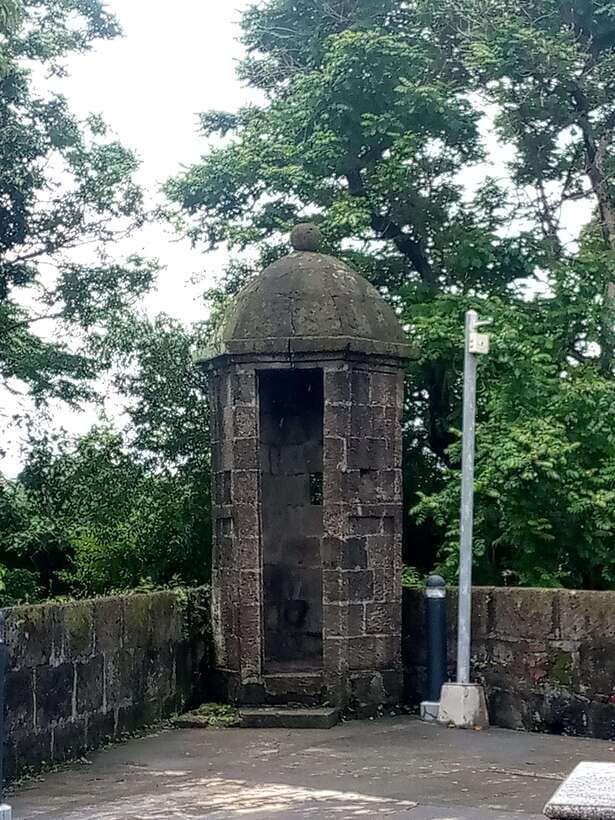
As you walk, you’ll glimpse the Old American Barracks and other fortress features. The guide points out areas that are said to be common sightings of spirits, especially around the dungeons and baluartes.
I think this approach is smart for first-timers. It gives you a map of the story, so the tour doesn’t feel like random spooky stops.
A different kind of day in the islands:
- Manila: Old & New 4-Hour City Tour
★ 4.5 · 458 reviews - Spectacular Manila to Tagaytay: Full-Day Sightseeing Tour
★ 5.0 · 349 reviews - Makati Nightlife: VIP Access to Clubs, Rooftops & Go-Go Bars
★ 4.9 · 278 reviews - Discover Tagaytay’s Countryside: Half-Day Sightseeing Tour
★ 4.5 · 207 reviews
Rajah Sulayman, Andres Novales, and Gen. Vicente Lim
The guide doesn’t start with Rizal. You’ll acknowledge unsung patriots from the pre-Hispanic era all the way to the Japanese occupation, with specific names included like Rajah Sulayman, Andres Novales, and Gen. Vicente Lim.
This part matters because it shifts the tour from “just a dark place” to “a dark place with many chapters.” You can walk the same stone corridors and still come away with different stories depending on whose names you remember.
Dr. Jose Rizal’s last prison cell and reformism
Next comes one of the tour’s most concrete stops: the last prison cell of Dr. Jose Rizal, where he was detained. You’ll also hear narratives of reformism and how those ideas are described as shaping the nation.
If you’re the kind of person who likes seeing how a single landmark connects to bigger political currents, this is a strong moment. It also sets you up for the rest of the walk, which keeps weaving morality, power, and suffering together.
The dungeons and POW chambers, including the 600 deaths
The tour leans into the physical reality of punishment. You’ll hear about the thin supply of oxygen the dungeons could only offer, then you’ll walk in chambers tied to the death of 600 Filipino and American civilian prisoners of war.
The guide also asks you to pay tribute to a mass grave. That’s not trivia. It’s a reminder that the “dark stories” are rooted in real human loss, and it changes how you look at the space.
Intramuros inside: the walled city as a theater of survival
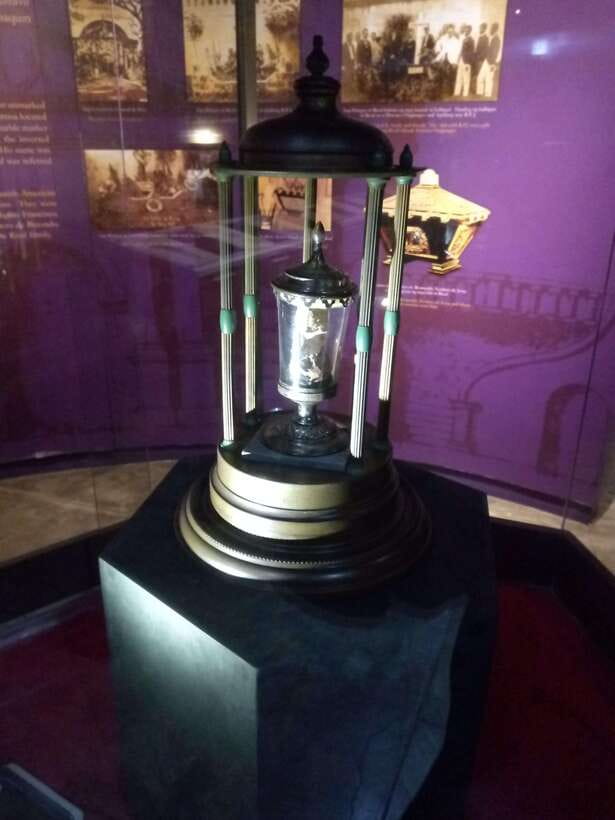
After the main Fort Santiago segment, you continue into Intramuros for a shorter guided stretch (about 20 minutes). This is where the tour reinforces the idea that the walled city itself is part of the story.
Here you’re listening for the reasons the stories stick. The tour describes atrocities that happened inside the Walled City and suggests these events may have resulted in the darker legends people later associated with the area.
You’ll also hear the “unsung heroes” theme continue, but now through the layout you can actually see around you. It’s a good way to connect names and events to geography, not just dates.
Manila Cathedral: when religion and government collide
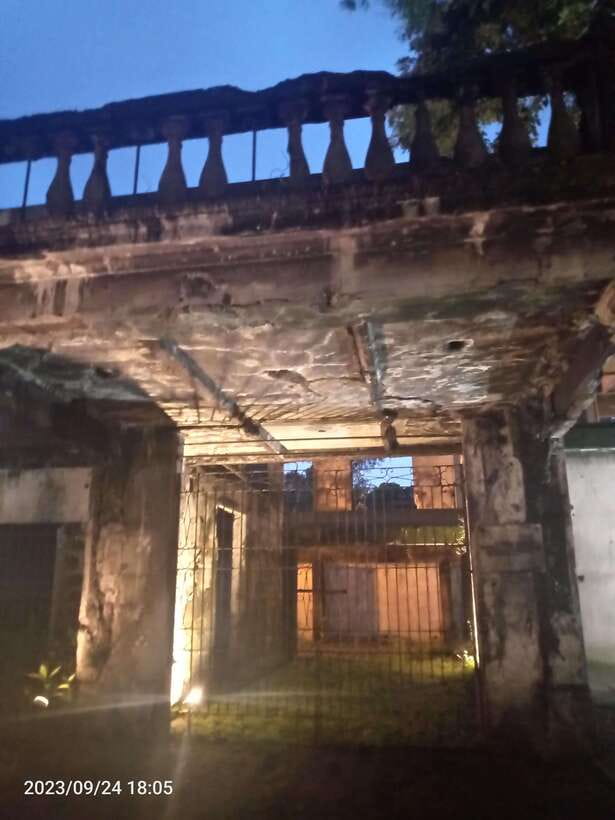
Next stop is Manila Cathedral, with a guided component around 15 minutes. The tour focus shifts from fortress punishment to something more public and political: the power struggle between the church and the government, with the Indios described as victims.
This is one of those stops where you get a sharper lens on cause and effect. You start to see how control worked in different ways, not only through prisons and walls.
If you’re spending only a day or two in Manila, this stop is especially useful because it reminds you that Intramuros wasn’t just a battlefield zone. It was also an administrative and spiritual center, where power conflicts could hit ordinary people.
General Luna Street: Philippine-American war courage and sacrifice
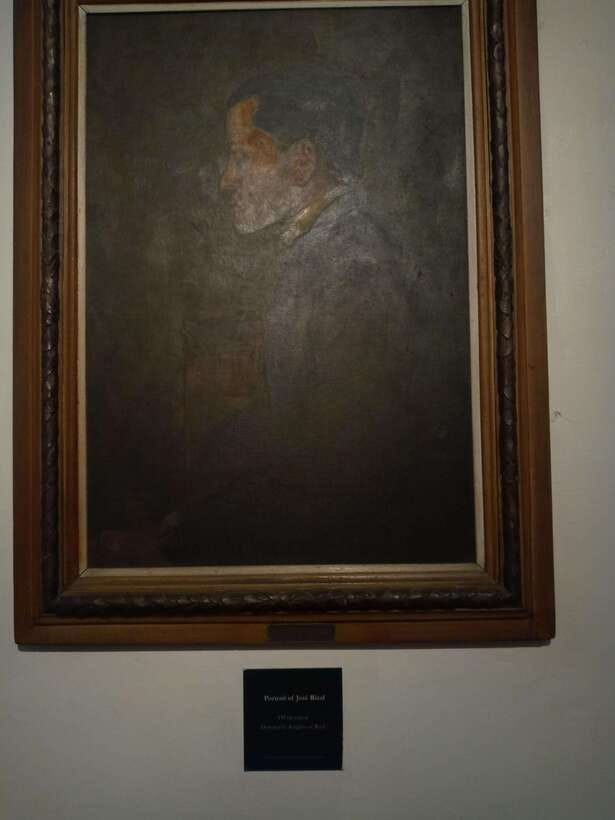
Then you move along General Luna Street, where the tour shares tales of courage and sacrifice during the Philippine-American war.
This section is valuable because it bridges what came before and what came after, without turning the story into a straight lecture of dates. You get a sense of how conflict repeated in different forms as control changed hands.
It’s also a good moment to grab a quick mental break if you feel overwhelmed by the dungeon stories. War is still war, but the emphasis here is on human resolve.
Saint Agustin Church: resiliency through changing eras
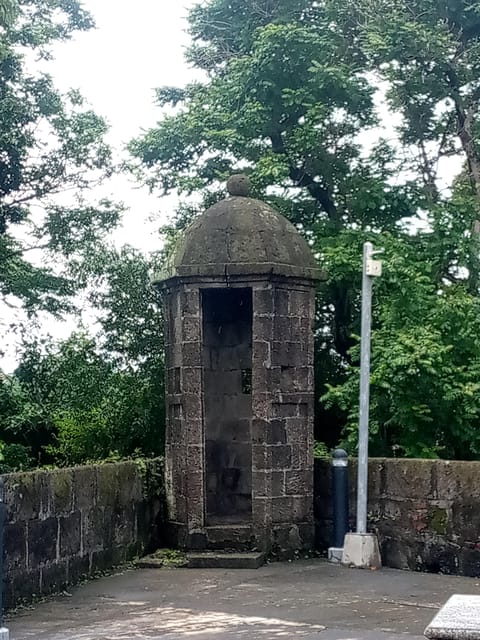
The walk ends with a stop at Saint Agustin Church, where you’ll be mesmerized by stories of resiliency through different periods of history.
This is the “breathing space” in the tour’s emotional arc. After prisons and death chambers, you shift to endurance. The guide uses the church’s survival across time to frame the idea that places can outlast the worst chapters around them.
Even if you’re not a church-history person, it helps to look at the building and ask, what changed, what stayed, and who had to rebuild.
Bonifacio Shrine at Manila City Hall: finishing with the revolution
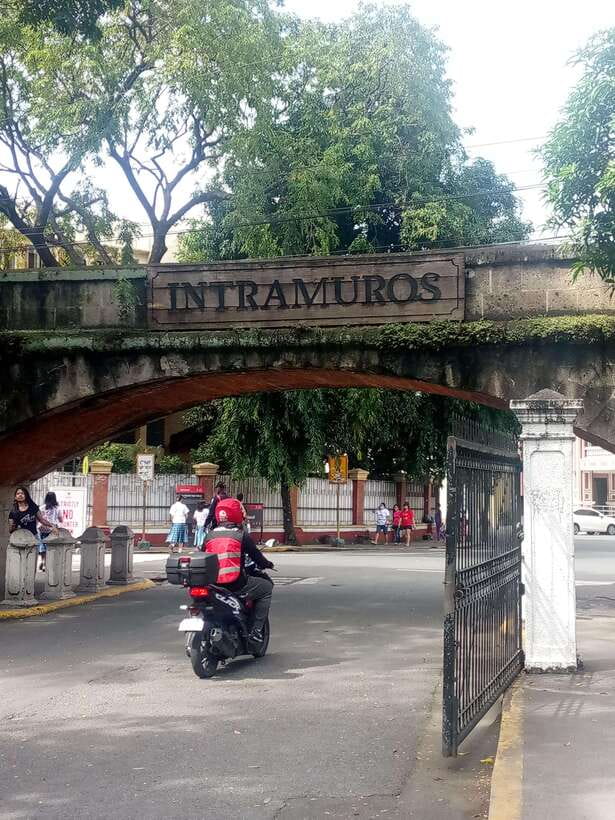
Your final stop is the Bonifacio Shrine in front of Manila City Hall. Here the tour ties the struggle of the Philippine Revolution to Andres Bonifacio and also mentions forgotten revolutionaries.
This ending works because it doesn’t leave you stuck in gloom. It pulls you back to agency and memory, honoring people who pushed back against oppression.
For me, a strong dark-history tour ends with tribute and context, not just fear. This one follows that logic.
Price and value: what $48 buys in a 2-hour format
At $48 per person for a 2-hour guided tour, you’re paying for more than a stroll. You’re paying for a live guide, Fort Santiago admission, and a story-driven route that covers multiple major landmarks.
Here’s how I think about the value: you get one anchor site with deep narration (Fort Santiago), then you get supporting context across Cathedral, General Luna Street, Saint Agustin Church, and the Bonifacio Shrine. In other words, it’s not one lonely museum moment, it’s a connected path.
Also, the tour includes a skip-the-ticket-line element. In a place where time can vanish in queues, this helps you get to the learning part faster.
If you want a lighter sightseeing day, $48 might feel steep for a quick walk. If you want a guided route that ties landmarks to named people and specific events, it’s easier to justify.
How engaging the guides can be
Based on the tour’s strong feedback, the guide style is a big part of the experience. One review highlights the guide’s passion for the area as the reason the tour feels engaging, and another specifically praises Kuya for being entertaining and educational.
That matters because dark-history tours live or die by pacing and tone. If the guide rushes, the story becomes static. If the guide connects places to people in a clear way, you leave with something you can actually remember.
What to bring, and how to prepare your body and mindset
You don’t need special gear, but you do need the basics.
Bring:
- Comfortable shoes
- Camera
- Water
Plan for walking. This is a 2-hour route with multiple sites, and Fort Santiago includes areas that can feel tight or uneven depending on where you stand.
Mindset tip: this is not a joking tour. The topics include atrocities, war, imprisonment, and mass death tributes. You’ll enjoy it most if you’re ready to be respectful and to listen closely.
Who should book this Intramuros dark tour
This tour is a good fit if you:
- Like guided context, not just photos
- Want to understand Intramuros beyond the walls and churches
- Are okay with darker themes and historical tragedy
- Prefer a private group experience with a live guide in English or German
It may not be a fit if you’re traveling with young kids, if you’re pregnant, or if you have mobility needs. The information states it is not suitable for children under 12, pregnant women, people with mobility impairments, and wheelchair users.
There’s also a small red flag in the details: the tour is marked as wheelchair accessible, yet it also says it is not suitable for wheelchair users. Because of that contradiction, I’d contact the provider before booking if accessibility is a concern.
Should you book this dark Intramuros tour?
Book it if you want a focused 2-hour route through Intramuros that treats haunted storytelling as a gateway to real events, names, and tributes. Fort Santiago, Rizal’s cell, the POW chamber stories, and the ending at Bonifacio Shrine give the tour a clear emotional shape, not just a list of stops.
Skip it if you’re after a light, casual walk or if you know you’re not comfortable with heavy material. This one is about memory, survival, and the cost of power.
If your goal is to leave Intramuros with a story you can retell, and to see the landmarks as witnesses to specific events, this is a strong choice.
Freshly added in Manila
- Underground River with Lunch★ 3.6 · 5 reviews
- Unforgettable Manila Fishing Village Day Excursion 2024★ 5.0 · 4 reviews
- Tagaytay Adventure: Volcano Views, Countryside, Market & Cruise!★ 4.5 · 14 reviews
- 3 Days Private Tour in Banaue Ifugao visiting Batad Rice Terraces★ 3.5 · 3 reviews
- Tagaytay + Hidden Valley Springs: A Scenic Escape w/ Transfers★ 4.0 · 4 reviews
- Tagaytay Day Tour sightseeing with Panoramic Taal volcano view★ 5.0 · 6 reviews
- Cultural Dinner and Show in Manila★ 5.0 · 4 reviews
- indigenous Forest experience Manila 2023★ 5.0 · 4 reviews
Intramuros Tours, compared.

Intramuros, Manila: Historical Bamboo Bike Tour
Read our review →
Experience Intramuros with Bamboo Bicycle – Ecotours
Read our review →
Manila: Intramuros, Chinatown, and Old Manila Half-Day Tour
Read our review →
Manila Old and New: Sightseeing Tour Including Intramuros and Fort Santiago
Read our review →
Manila: Guided Sunset Bamboo Bike Tour in Intramuros
Read our review →
Explore Intramuros: Introduction to Philippine History
Read our review →
Experience Manila’s Heritage: Intramuros & More in Half a Day!
Read our review →Browse the lists this tour appears in