
REVIEW · INTRAMUROS TOURS
Manila: Intramuros Myths and Nights Tour
Myths stop being silly when you hear them at night in Intramuros. This Manila: Intramuros Myths and Nights Tour mixes folklore with history so you can spot the propaganda tricks and the cultural echoes still showing up today.
I especially love the way it pairs famous landmarks with stories like aswangs, kapres, duwendes, and the Tikbalang, then links them to colonial-era control. I also like that the guide, Jerome, brings the material to life in a fun, Q-and-A friendly way, so even if you have done another Intramuros tour, you still walk away with new angles. One drawback to plan around: it is a 2-hour walking experience under night conditions, so wear comfortable shoes and bring insect repellent.
In This Review
- Key Things to Know Before You Go
- Why Intramuros Night Stories Feel Different
- Plaza Moriones and the Acacia Tree, Where the Myths Begin
- Fort Santiago Under the Balete Tree, White Ladies and Duwendes
- Jose Rizal’s Chapel-Cell, Agimat, Monasticism, and Resistance
- The Dungeons and the 600 Civilians Who Died
- Manila Cathedral and San Agustin, Where Belief Blends and Rebrands
- Puerta del Parian, Ending With the Uprisings Spirit
- Price and Value at $49 for a 2-Hour Guided Walk
- What to Bring, and How to Prepare for the Night
- Is This the Right Tour for You?
- Should You Book the Manila Intramuros Myths and Nights Tour?
- FAQ
- Where does the tour start?
- How long is the tour?
- Is the tour available in both day and night?
- What stops are included during the walk?
- What languages are the tours offered in?
- Do I skip the line?
- Is a snack included?
- What should I bring?
- Is the tour wheelchair accessible?
- Is there a cancellation refund policy?
Key Things to Know Before You Go
- Plaza Moriones is your starting point, under the Acacia tree, where the tour sets up the myths and the mindset behind them
- Fort Santiago follows, with stops tied to the Balete tree and stories like white ladies and dwendes
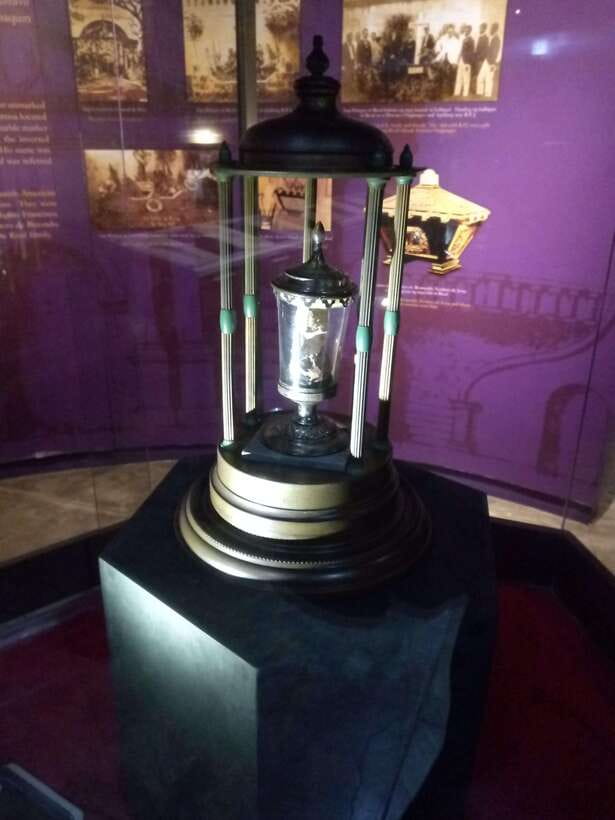
- Jose Rizal’s chapel-cell gets the spotlight, including talk of agimat and monasticism in the independence story
- Manila Cathedral and San Agustin are part of the route, showing how Catholic practice blended with older beliefs
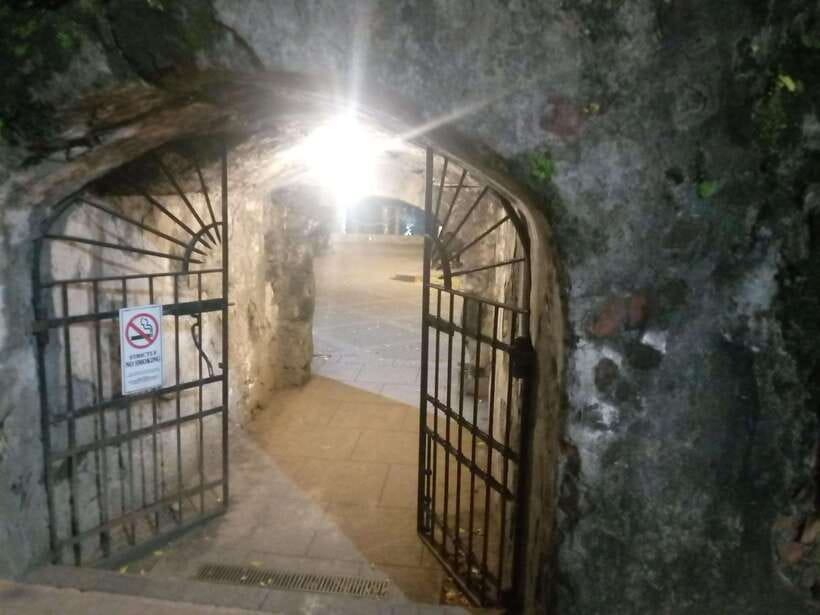
- The tour ends at Puerta del Parian, where the stories point you back toward the uprisings spirit
Why Intramuros Night Stories Feel Different
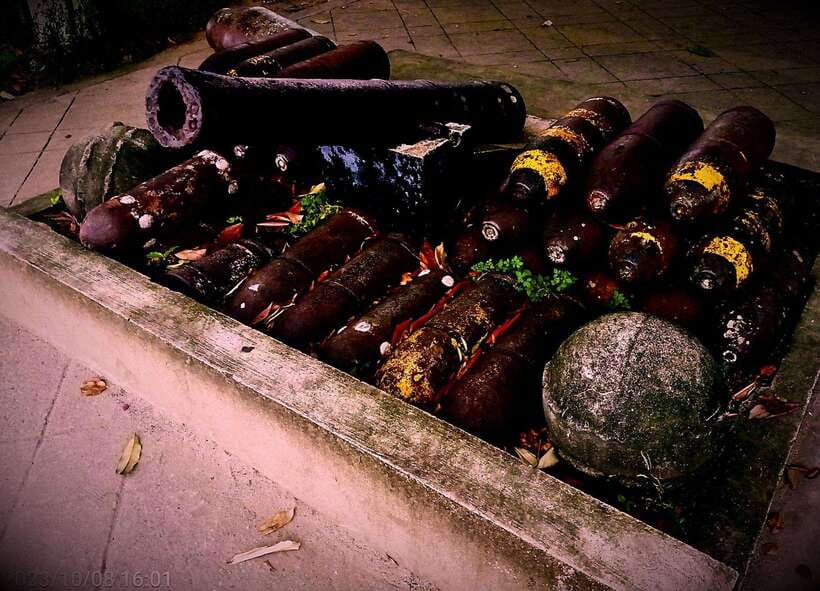
Intramuros is already built for atmosphere, and at night it turns into something else. This tour leans into that mood on purpose. You are not just looking at stone walls and churches, you are hearing how myths helped people make sense of power, fear, and loyalty.
The core idea is simple and useful: myths are not only entertainment. They can be tools, especially when authorities shape what people believe. The tour spends time on how Spanish colonial officials fabricated horror tales to suppress nationalism, and that context changes how you interpret the legends you hear next.
More Intramuros walks:
- Intramuros, Manila: Historical Bamboo Bike Tour
★ 4.8 · 583 reviews - Experience Intramuros with Bamboo Bicycle – Ecotours
★ 5.0 · 508 reviews - Manila: Intramuros, Chinatown, and Old Manila Half-Day Tour
★ 4.8 · 475 reviews
Plaza Moriones and the Acacia Tree, Where the Myths Begin
The tour takes off from Plaza Moriones, and right away you get the rhythm of the experience. First comes the historical and myth setup, then the stories start stacking: Aswangs, Kapres, and other mythological beings that many Filipinos heard as kids.
Under the Acacia tree in this plaza, the tour does something clever. It treats each legend like a clue, then talks about why fear stories can spread and stick. If you have ever wondered why certain “creatures” feel tied to everyday Filipino culture, this is where you get the framework.
Practical note: Plaza Moriones is a good place to get your bearings. You can also use this early stretch to gauge your comfort level with night walking before the route starts moving deeper into the walled area.
Fort Santiago Under the Balete Tree, White Ladies and Duwendes
Next stop is Fort Santiago, and the tone shifts from village folklore to the pressure of colonial control. You hear about the Balete tree and then get stories like the white ladies and dwendes, including the idea that conquerors were framed as superior while local culture was pushed aside.
This section is valuable because it explains a theme you can recognize anywhere empire shows up. Dominance is not only armies and taxes. It is also mindsets, and the tour connects that to how stories can be engineered.
What I like here is the balance between spooky and thoughtful. You get the legends you came for, but you also get the “why this story spreads” angle. If you love Filipino mythology, you are in the right place. If you mostly want history, you still get explanations that make the folklore feel relevant instead of random.
Jose Rizal’s Chapel-Cell, Agimat, Monasticism, and Resistance
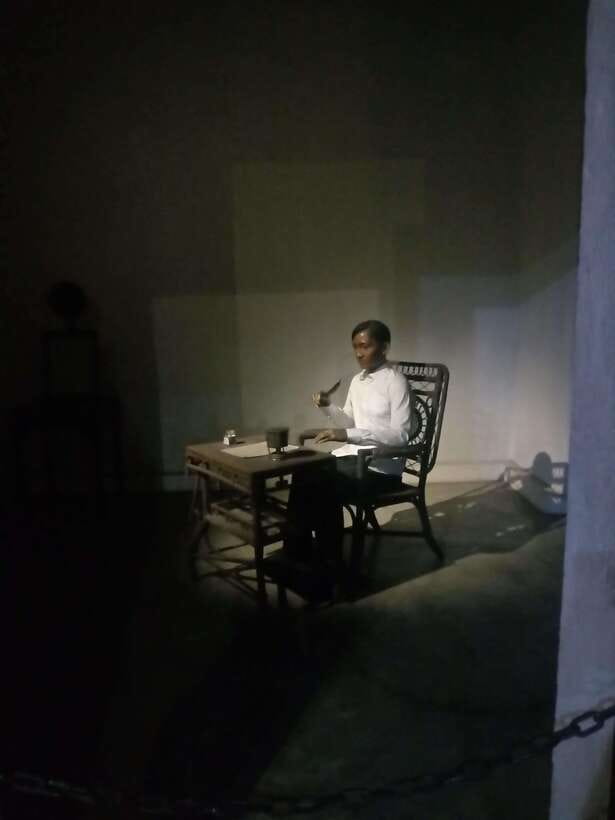
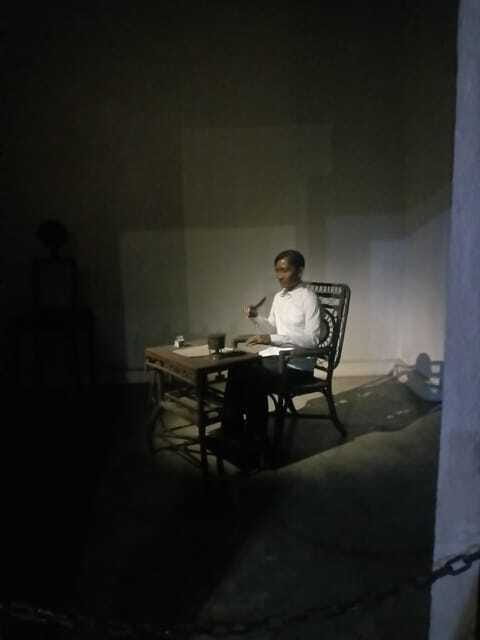
Then the tour moves to the chapel-cell of Jose Rizal, a stop that can feel heavy even before the stories start. This is where the tour connects spiritual beliefs and revolutionary life by talking about agimat and monasticism as part of the struggle for independence.
The value of this stop is in how it reframes beliefs without flattening them. Agimat is treated as more than “magic.” It is discussed as part of a worldview and a cultural landscape in which resistance could take shape.
You also learn how religious institutions and spirituality could intersect with political urgency. That matters because it helps you avoid the common trap of seeing history as only battles and documents. People were thinking, praying, fearing, and hoping, all at once.
A different kind of day in the islands:
- Manila: Old & New 4-Hour City Tour
★ 4.5 · 458 reviews - Spectacular Manila to Tagaytay: Full-Day Sightseeing Tour
★ 5.0 · 349 reviews - Makati Nightlife: VIP Access to Clubs, Rooftops & Go-Go Bars
★ 4.9 · 278 reviews - Discover Tagaytay’s Countryside: Half-Day Sightseeing Tour
★ 4.5 · 207 reviews
The Dungeons and the 600 Civilians Who Died
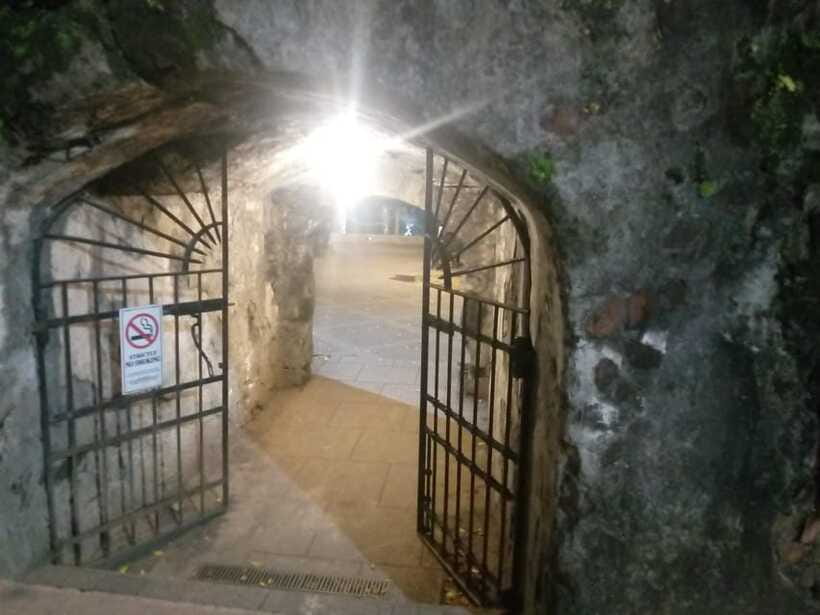
After that, the tour heads into the dungeons. This is the most solemn part of the experience in both tone and theme. You are asked not to fear the ghosts of the 600 civilians who died there, and the point is memorial, not scare tactics.
Even if you are not a “ghost story” person, this section lands because it forces you to remember the human cost underneath the legends. Intramuros may look like a preserved past, but the stories here insist on staying honest about suffering.
If you are sensitive to darker historical topics, go in aware that the mood shifts. The guide keeps it educational, but the setting is heavy.
Manila Cathedral and San Agustin, Where Belief Blends and Rebrands
From the dungeons, the route moves to Manila Cathedral and San Agustin, two big names you can recognize fast on any Intramuros walk. Here, the tour talks about Catholicism merging with local religions.
Then comes the part that makes the myth-history link click. The tour explains how the supreme beings in older belief systems were reinterpreted and turned into the demon of the conquerors. In plain terms, it is a story about cultural translation under pressure.
This is a great section for you if you like seeing how religious life changes when power changes. It also helps you notice why certain folk ideas can survive even after official narratives try to replace them.
And yes, the tour still keeps the night vibe. You get the sights, but you also get explanations that help the place make sense in your head.
Puerta del Parian, Ending With the Uprisings Spirit
The tour finishes at Puerta del Parian, where the message turns from suppression to momentum. The stories point you toward uprisings, and you leave with the feeling that history is not only something you study. It is something people fought over.
This ending matters because it avoids a “colonial horror loop” where everything is fear and control. Instead, the tour threads in folklore as part of struggle, including how stories helped keep identity alive.
If you do the day version, you might feel more daylight and fewer chills. But either way, the closing note is the same: the walled city is not just a museum. It is a map of conflicts, including ones fought with ideas.
Price and Value at $49 for a 2-Hour Guided Walk
At $49 per person, this tour is priced like a focused guided experience, not a random city stroll. For that amount, you get entrance fee coverage, the guide’s fee, and a snack, plus a skip-the-line setup through a separate entrance.
That combo is what makes the value feel practical. You are paying for a guided route with specific stops and storytelling tied to each location, not just time in a group with generic commentary. The 2-hour duration also helps. You get enough stops to matter, without turning it into a full night you will regret in the morning.
If you are comparing options, think in terms of “How many meaningful stops do I get, with a guide who explains the why?” This tour is built around that exact question.
What to Bring, and How to Prepare for the Night
The one explicit item the tour asks you to bring is biodegradable insect repellent. Even if you love walking at night, you do not want to be distracted by bites.
Beyond that, I’d plan for the basics that make night walking comfortable:
- Wear shoes you can handle on uneven old streets
- Bring a layer if Manila nights feel cool to you
- If you use contact lenses or glasses, make sure you can keep them clean in the dark
Also, this tour is listed as wheelchair accessible. If you need a specific route pace, you will likely want to ask ahead so the guide can match the walk to your needs.
Is This the Right Tour for You?
I think this tour is perfect for three types of travelers.
First, you will like it if you want Intramuros beyond photos. You get explanations that connect folklore to colonial-era storytelling and independence narratives.
Second, you will like it if you enjoy Filipino mythology and want it treated as cultural history, not just spooky entertainment. Hearing about Aswangs, Kapres, Tikbalang, and Duwendes in real places makes the stories feel anchored.
Third, if you already visited Intramuros before, you still have a good chance of feeling it was worth it. Jerome is described as passionate and giving additional info that fills gaps, even when someone has done another tour. That is the best sign of a guide who teaches, not just recites.
One clear “not for you” flag: it is not suitable for people over 95 years. That is stated directly, so take it seriously and choose a different experience if that affects you.
Should You Book the Manila Intramuros Myths and Nights Tour?
If you want a guided night walk that connects myth to meaning, I’d book it. The route is packed with high-impact stops, and the storytelling focus makes Intramuros feel alive instead of like a checklist.
If you dislike ghostly themes, heavy historical topics like the dungeon deaths, or you are not comfortable walking at night, you might prefer a lighter itinerary. But if you are curious about how legends, religion, and propaganda intersect, this tour gives you a clear, memorable way to understand it.
FAQ
Where does the tour start?
The tour starts from Plaza Moriones.
How long is the tour?
The tour duration is 2 hours.
Is the tour available in both day and night?
Yes, you can choose between a day or night tour.
What stops are included during the walk?
The route includes Plaza Moriones, Fort Santiago, Jose Rizal’s chapel-cell, the Manila Cathedral, San Agustin, and it ends at Puerta del Parian.
What languages are the tours offered in?
The live tour guide speaks English and German.
Do I skip the line?
Yes. The tour includes skip the line through a separate entrance.
Is a snack included?
Yes, a snack is included.
What should I bring?
Bring biodegradable insect repellent.
Is the tour wheelchair accessible?
Yes, the tour is listed as wheelchair accessible.
Is there a cancellation refund policy?
You can cancel up to 24 hours in advance for a full refund.
Freshly added in Manila
- Underground River with Lunch★ 3.6 · 5 reviews
- Unforgettable Manila Fishing Village Day Excursion 2024★ 5.0 · 4 reviews
- Tagaytay Adventure: Volcano Views, Countryside, Market & Cruise!★ 4.5 · 14 reviews
- 3 Days Private Tour in Banaue Ifugao visiting Batad Rice Terraces★ 3.5 · 3 reviews
- Tagaytay + Hidden Valley Springs: A Scenic Escape w/ Transfers★ 4.0 · 4 reviews
- Tagaytay Day Tour sightseeing with Panoramic Taal volcano view★ 5.0 · 6 reviews
- indigenous Forest experience Manila 2023★ 5.0 · 4 reviews
- Shared Old Manila Tour★ 5.0 · 5 reviews
Intramuros Tours, compared.

Intramuros, Manila: Historical Bamboo Bike Tour
Read our review →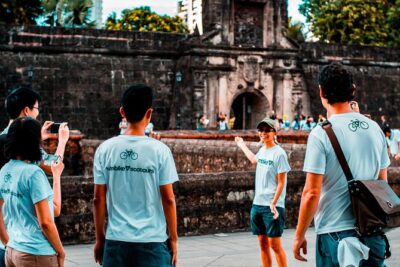
Experience Intramuros with Bamboo Bicycle – Ecotours
Read our review →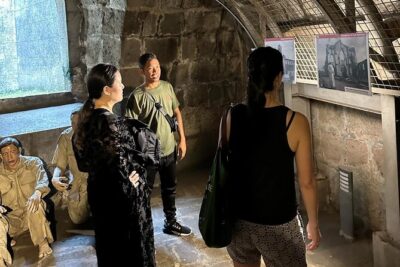
Manila: Intramuros, Chinatown, and Old Manila Half-Day Tour
Read our review →
Manila Old and New: Sightseeing Tour Including Intramuros and Fort Santiago
Read our review →
Manila: Guided Sunset Bamboo Bike Tour in Intramuros
Read our review →
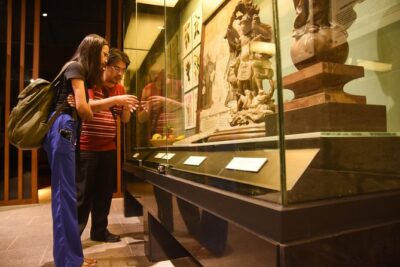
Explore Intramuros: Introduction to Philippine History
Read our review →
Experience Manila’s Heritage: Intramuros & More in Half a Day!
Read our review →Browse the lists this tour appears in