
REVIEW · INTRAMUROS TOURS
Manila: Filipino Historic Walking Tour in Intramuros
Intramuros has a way of making history feel close. This 3-hour Manila historic walking tour ties together Spanish rule, Catholic life, World War II, and the push for independence, all while you stay on foot inside the old walled city. I especially love the professional guide approach, with stories that connect the big events to what you actually see, and the fact that you visit major sites plus the WWII-era memorial without it feeling like a checklist. The one drawback to plan around is simple: it is not for people with mobility issues or wheelchair users, and the pace is a true walk.
You start at San Agustin Church, then move through restored and well-curated stops like San Agustin Museum and Casa Manila, before finishing at Fort Santiago. You get a small group limit of 15, and the tour runs in English and Tagalog, which makes it easier to keep questions and context flowing. If the weather turns bad, the walk depends on good conditions, so you should be ready to reschedule.
In This Review
- Key Points to Know Before You Go
- Why This Intramuros Walk Works Better Than Going Solo
- Start at San Agustin Church, Where the Colonial Story Begins
- San Agustin to the Walls: Hidden Stories Along the Historic Wall
- Casa Manila: Seeing the 19th Century Meet East and West
- Memorare Manila 1945 and the WWII Stop You Do Not Want to Miss
- Manila Cathedral: The Seat of Catholic Church Power
- Fort Santiago Finish: From Walls to Independence
- Price and Value: Is $55 Worth It for 3 Hours?
- What to Wear, What to Bring, and When to Go
- The Best Fit: Who Will Enjoy This Tour Most
- Should You Book This Manila Historic Walking Tour?
Key Points to Know Before You Go
- A guided, 3-hour Intramuros route with major landmarks and lesser-known wall views
- Small group size (up to 15 participants) keeps the pace human
- Entrance fees included for Fort Santiago, San Agustin Church and Museum, and Casa Manila Museum
- WWII and independence themes woven into the places you walk past
- A guide you can talk to, with strong praise for friendliness and humor, including the name Jerome
Why This Intramuros Walk Works Better Than Going Solo
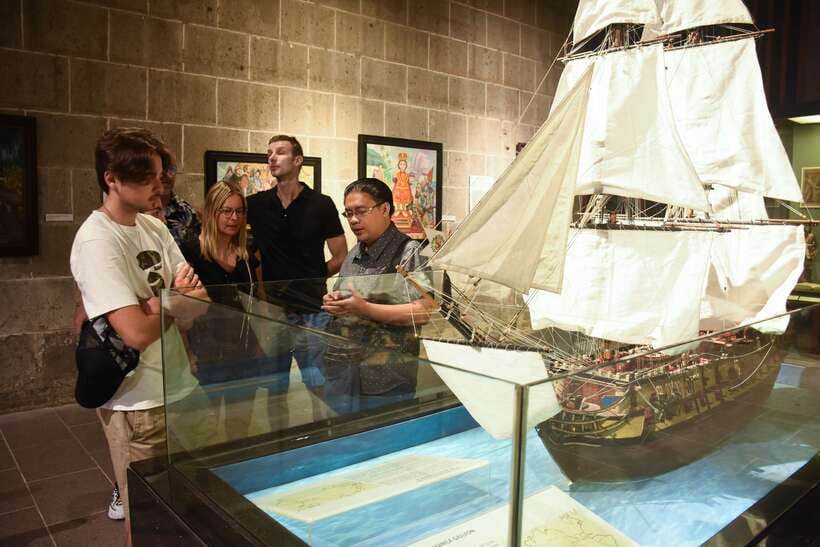
Intramuros can look like a neat pile of Spanish-era buildings until someone helps you connect the dots. This tour is built to do that. You walk the walls, step into museums, and stop at key corners where the story shifts, so the colonial era does not stay stuck in a textbook.
The biggest value is how the tour turns the setting into a timeline. You are not only viewing monuments. You are hearing how Spanish occupation, Catholic institutions, wartime destruction, and later independence struggles shaped daily life and community identity. That is why the route feels logical: you move from early colonial foundations to aristocratic interiors, then to war memory, and finally to the military sites tied to independence.
Also, the guide really matters. In the reviews, people consistently call out guides who are funny, engaging, and flexible. One name that came up is Jerome, praised for being friendly and adjusting the route based on what the group wants to see. That kind of responsiveness is hard to get when you go it alone.
More History Tours in Manila
- Intramuros, Manila: Historical Bamboo Bike Tour
★ 4.8 · 583 reviews - Explore Intramuros: Introduction to Philippine History
★ 5.0 · 80 reviews - Experience Manila’s Heritage: Intramuros & More in Half a Day!
★ 5.0 · 76 reviews
Start at San Agustin Church, Where the Colonial Story Begins
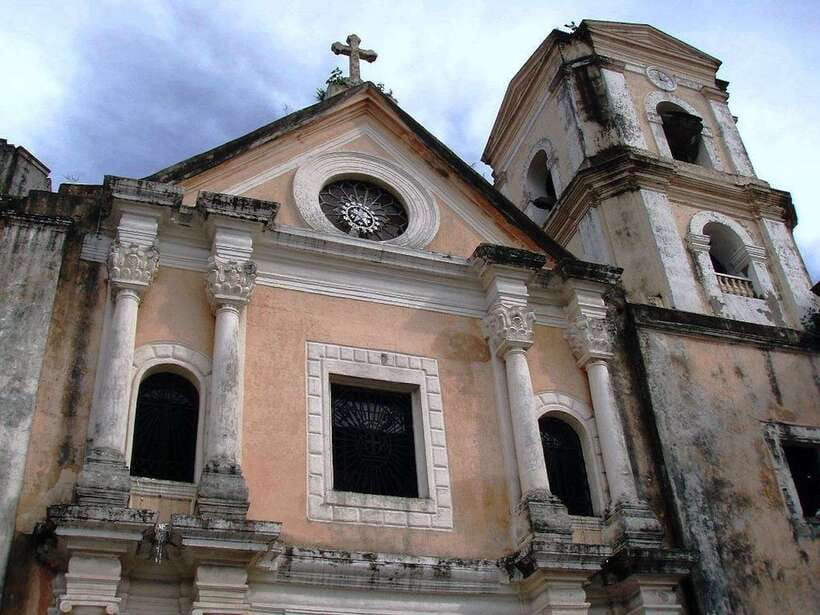
You meet at the museum lobby of San Agustin Church, then begin right where the tour’s historical anchor is strongest. The program starts with the oldest stone church in the country, which sets the tone fast. Instead of starting with a random street photo op, you begin with a major religious and colonial landmark, so everything after makes more sense.
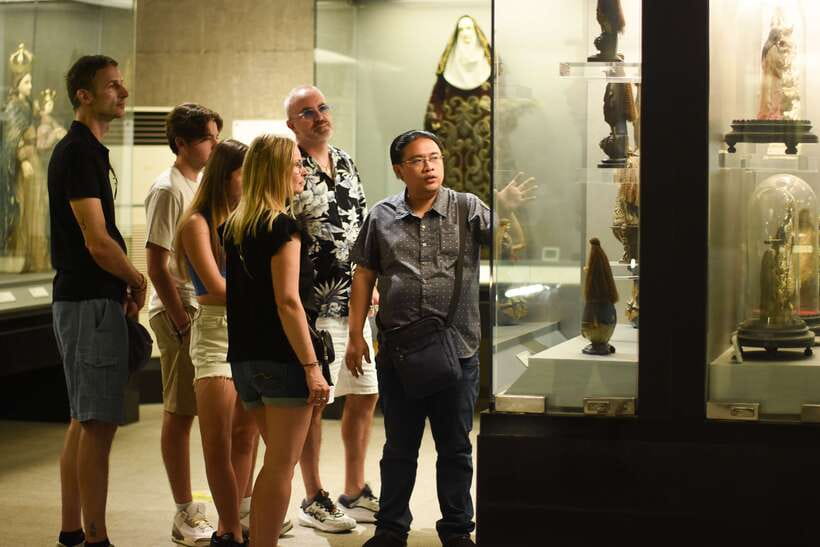
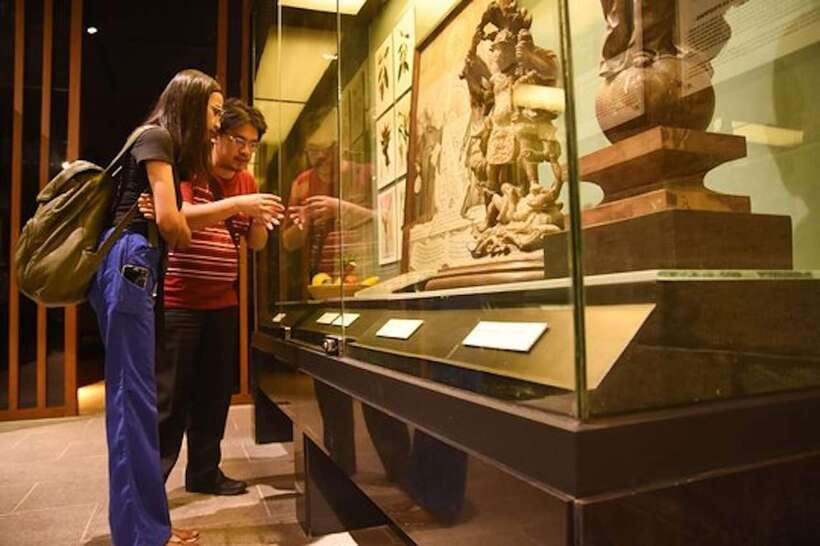
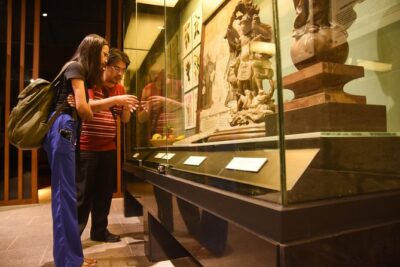
San Agustin Museum is your first guided stop. This is where you get the background that the outside walls cannot explain on their own. Expect artifacts and context that connect the Catholic Church’s presence in Manila to broader colonial history. Even if you only know the basics of Spanish colonization, the museum helps you understand why religion and power were intertwined in this part of the Philippines.
Practical tip: wear comfortable shoes. Intramuros is walkable, but you will want footing that feels secure for uneven pavement and curb edges. If you are the type who likes lingering at doors and plaques, you will appreciate the guided pacing, because the guide helps you pick what matters most.
San Agustin to the Walls: Hidden Stories Along the Historic Wall
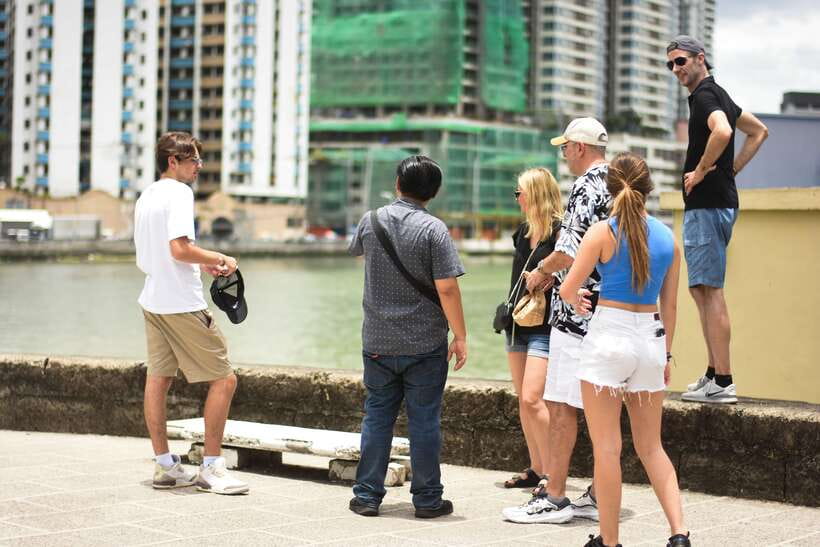
After you get oriented inside the San Agustin complex, the tour keeps moving on foot through narrow streets and key vantage points. One highlight is a rarely visited part of the historic wall of Intramuros. That is important because most people see only the main stretches, often from the same angles.
Standing where the wall once served as defense, you start to understand how the city was shaped to protect a colonial center. And as the guide explains what Spanish rule changed over 300 years, the stone stops being decorative. It becomes functional infrastructure that shaped how people lived, moved, and organized.
This is also where you learn why “colonial history” is not just about governors. It is about how communities formed, how churches became anchors, and how architecture and street patterns reflect control and identity. When you hear the stories while looking at the structure, you remember them longer.
Casa Manila: Seeing the 19th Century Meet East and West
Next up is Casa Manila, a restored, 19th-century aristocrats’ home. The tour frames it around a fascinating idea: this is a house where east and west influences meet. That matters because it helps you move beyond the usual Spanish narrative and into the everyday cultural blending that happened under colonial rule.
The guided visit focuses on furnishings and design. So instead of just walking through rooms, you learn what you are looking at and why it carries meaning. You get the sense of social status, tastes, and how wealth displayed itself in the home environment.
This stop is a good place to pause. A lot of walking tours rush. Casa Manila gives you a chance to slow down, reset your brain, and then continue with better context when you reach the memorials and garrison sites.
More Walking Tours in Manila
- Manila: Street Food and Drinks Walking Tour with Tastings
★ 4.8 · 114 reviews - Manila: Sightseeing and Food Walking Tour with Tastings
★ 4.7 · 68 reviews - Manila: Intramuros Walking Tour.
★ 4.9 · 63 reviews - Intramuros Walking Tour with Transportation by Don’t Skip Manila
★ 5.0 · 46 reviews
Memorare Manila 1945 and the WWII Stop You Do Not Want to Miss
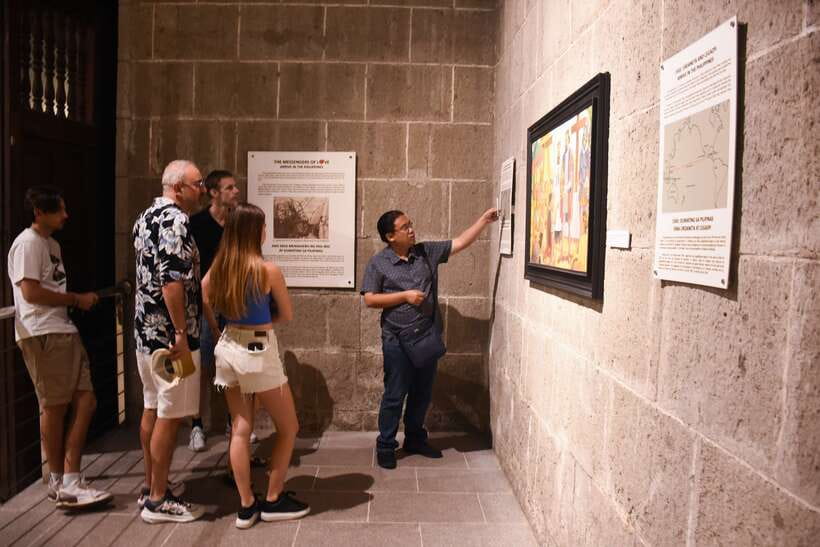
Then the route turns toward the war years, with a quick stop at Memorare Manila 1945. The tour uses this break to explain the role of the Philippines in World War II. Even though it is a relatively short stop, it adds weight to the walk, because you start seeing Intramuros not only as colonial-era architecture, but also as a place affected by conflict.
This stop also changes how you interpret the next segments. When you later stand near major Catholic and military landmarks, you carry the awareness of what war meant for communities and institutions.
If you tend to skip memorial stops on tours, do not do it here. The guide’s framing makes the place feel connected to the rest of the story, not stuck in its own time period.
Manila Cathedral: The Seat of Catholic Church Power
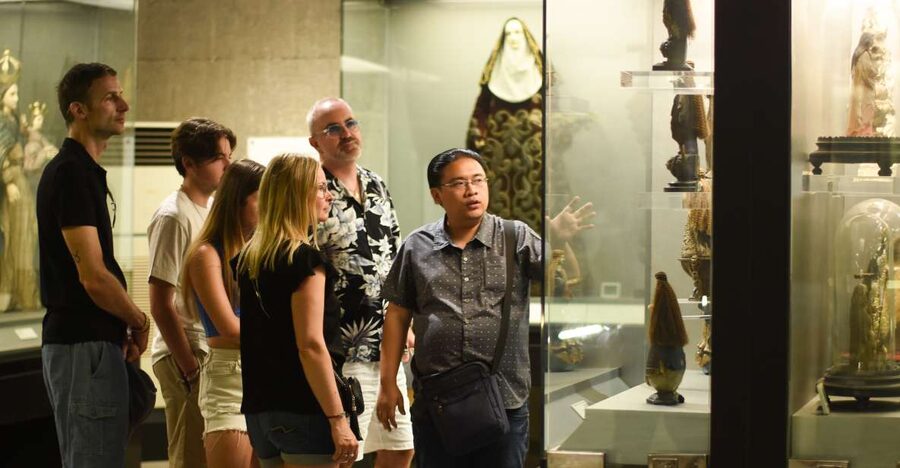
After the WWII memorial, you visit Manila Cathedral for sightseeing. The tour connects this location to the idea of the seat of the Catholic Church in the Philippines, which gives you a framework for understanding the Church’s role beyond worship.
This is a slower moment in the route. You can look closely at the space and feel how central it is to the city’s identity. The tour helps you connect the Catholic footprint you already saw at San Agustin and the museum artifacts to the broader public presence the Cathedral represents.
If you want to get the most out of this stop, keep an eye out for details the guide points out. Without that, cathedrals can blur into “big building, nice photos.” With guidance, you learn what to notice and why.
Fort Santiago Finish: From Walls to Independence
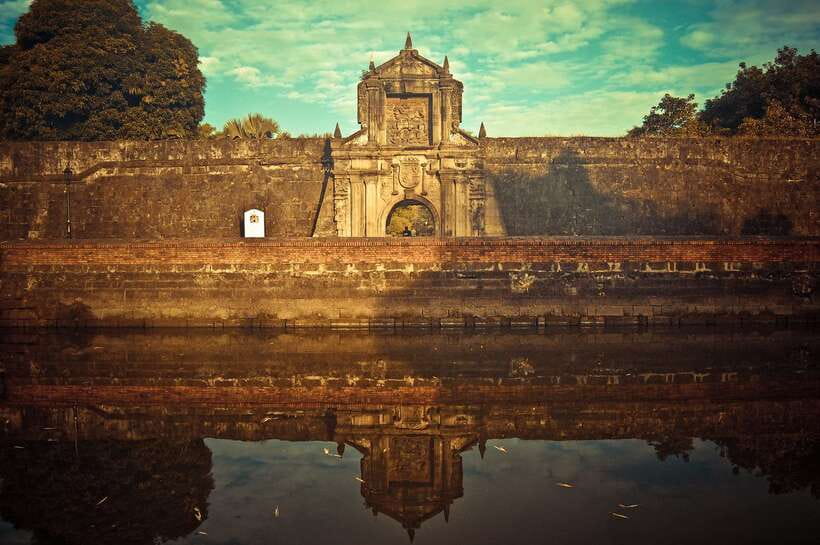
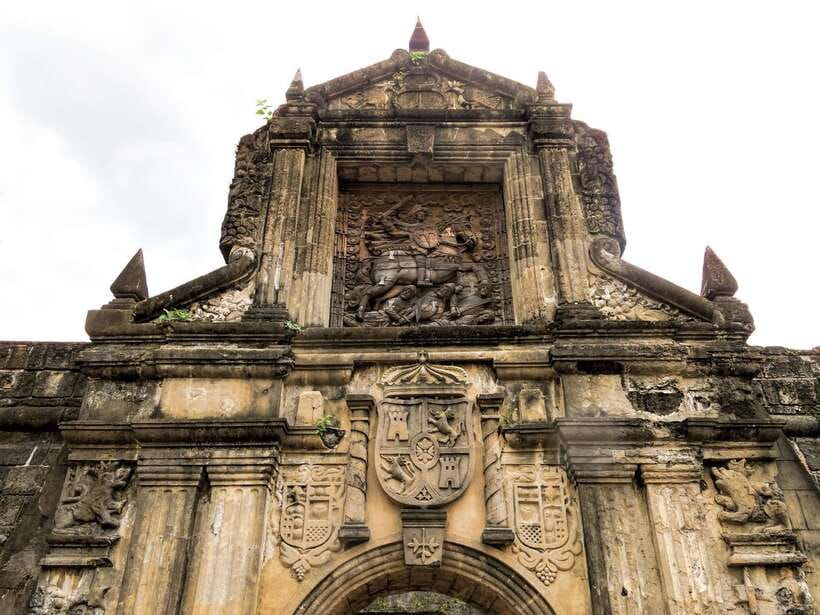
The walk continues to Fort Santiago, where the tour ends after a guided visit. Fort Santiago is described as an old military garrison, and the tour uses the site to explain the Filipino fight for independence.
This is a strong finish because it turns all the earlier history into stakes you can understand. You have seen colonial structures and Church-linked institutions. Now you finish with a site tied to defense and resistance. It is a shift from “how power was built” to “how people pushed back.”
It also helps the tour feel complete. Many tours stop after the colonial highlights. This one brings you to a place where you can connect occupation with later struggle, and you leave with a clearer idea of how modern identity formed from conflict, survival, and change.
Price and Value: Is $55 Worth It for 3 Hours?

At $55 per person for a 3-hour guided tour, the value depends on what you want from Intramuros. If you like reading signs and wandering, you could save money and go self-guided. But if you want context, this price starts to make sense fast.
Here is why it is a good deal for many people:
- You get a professional guide for most of the time, not just a short orientation.
- Entrance fees are included for Fort Santiago, San Agustin Church and Museum, and Casa Manila Museum. That coverage matters when you add up museum access.
- The group stays small, capped at 15, so the experience does not turn into a rushed herd.
The best way to judge value is to ask yourself one question. Do you want the why behind what you see? If yes, the guide-driven format justifies the cost.
My practical advice: if you know you will want answers, bring your curiosity. The guide can shape the stops around what you care about, and that flexibility is a repeated point of praise.
What to Wear, What to Bring, and When to Go
This tour is straightforward on essentials. Bring comfortable shoes and plan for a real walking route.
Dress matters. You should avoid short skirts and sleeveless shirts. Intramuros sites include religious areas, and the tour runs in a way that expects visitors to dress respectfully.
Weather matters too. The activity requires good weather, and if it is canceled due to bad conditions, you will be offered a different date or a full refund. So if your trip dates are flexible, this tour is easier to manage.
Also, keep expectations realistic. It is not built for wheelchair users or people with mobility impairments. The route is described as not suitable, so do not plan around “maybe it will work.”
The Best Fit: Who Will Enjoy This Tour Most
This works well for you if you like history with context and you prefer a guided narrative that helps you connect places into a bigger story. It is especially good for first-timers in Intramuros who want Spanish colonial history, Catholic institutions, WWII memory, and independence themes, all without feeling overwhelmed.
It may be less ideal if you want total downtime, because it is a 3-hour walk with scheduled stops and guided visits. You will also have a better time if you enjoy asking questions, since the guide’s role is a major part of the experience.
Based on the feedback, the tour style is also friendly and engaging. People highlighted that guides can be funny and responsive. One review even mentioned the route feeling a bit upside down due to the Parade of Mary, which is a reminder that local events can affect timing. The good news is that a flexible guide helps you keep moving through what is happening.
Should You Book This Manila Historic Walking Tour?
Book it if you want an organized, story-led walk through Intramuros that includes the major sites, plus museum time and war-era context. The combination of professional guidance, entrance fees covered, and a small group size makes the $55 price feel fair for many visitors.
Skip or consider alternatives if mobility is an issue, if you cannot meet the dress expectations, or if you prefer to wander with no guided structure. If you are the kind of traveler who likes learning what you are seeing while you walk, this is a solid choice.
More Intramuros walks
- Experience Intramuros with Bamboo Bicycle – Ecotours
★ 5.0 · 508 reviews - Manila: Intramuros, Chinatown, and Old Manila Half-Day Tour
★ 4.8 · 475 reviews - Manila: Guided Sunset Bamboo Bike Tour in Intramuros
★ 4.8 · 119 reviews - Manila by Night: Discovering City Highlights with Intramuros
★ 4.5 · 70 reviews
Freshly added in Manila
- Underground River with Lunch★ 3.6 · 5 reviews
- Unforgettable Manila Fishing Village Day Excursion 2024★ 5.0 · 4 reviews
- Tagaytay Adventure: Volcano Views, Countryside, Market & Cruise!★ 4.5 · 14 reviews
- 3 Days Private Tour in Banaue Ifugao visiting Batad Rice Terraces★ 3.5 · 3 reviews
- Tagaytay + Hidden Valley Springs: A Scenic Escape w/ Transfers★ 4.0 · 4 reviews
- Tagaytay Day Tour sightseeing with Panoramic Taal volcano view★ 5.0 · 6 reviews
- Cultural Dinner and Show in Manila★ 5.0 · 4 reviews
- indigenous Forest experience Manila 2023★ 5.0 · 4 reviews
Intramuros Tours, compared.

Intramuros, Manila: Historical Bamboo Bike Tour
Read our review →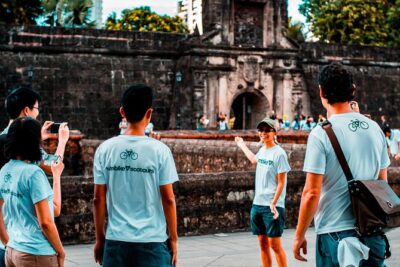
Experience Intramuros with Bamboo Bicycle – Ecotours
Read our review →
Manila: Intramuros, Chinatown, and Old Manila Half-Day Tour
Read our review →
Manila Old and New: Sightseeing Tour Including Intramuros and Fort Santiago
Read our review →
Manila: Guided Sunset Bamboo Bike Tour in Intramuros
Read our review →
Explore Intramuros: Introduction to Philippine History
Read our review →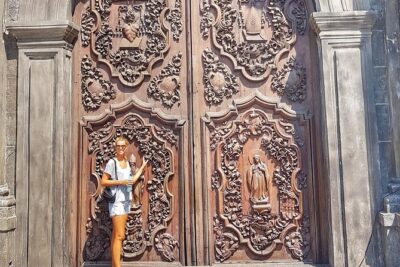
Experience Manila’s Heritage: Intramuros & More in Half a Day!
Read our review →Browse the lists this tour appears in