
REVIEW · HISTORICAL TOURS
Cebu City: Historical Street and Food Tour
Cebu tastes like history. This 3-hour guided walk in Cebu City mixes street-food tastings with Spanish-era landmarks, so you get context while you eat. I especially liked the chance to try balut (salted boiled duck egg) and then connect it to what you’re seeing, like the coral-stone Yap Sandiego Ancestral House from 1680.
The main thing to think about is price. At around $90 per person, the experience can feel more like a curated walking plus tastings than a full-on food crawl, so if you want a cheap self-guided trip, you may choose to go without a guide.
In This Review
- Key highlights you should care about
- Cebu in three hours: how the food walk stays focused
- Where you meet: pickup included, hotel transfer not
- Cebu Farmers Market: setting up the food part the right way
- Balut and street-food tastings: bold flavors with a traditional bite
- Heritage of Cebu Monument and 16th-century clues on the street
- Yap Sandiego Ancestral House: coral stone and the story of trade
- Basilica Minore del Sto. Nino de Cebu: the 1565 church stop
- Carbon Market and Magellan’s Cross: coal, then a world-changing moment
- Cebu Metropolitan Cathedral: a rebuilt landmark after World War II
- Price and value for a $90, 3-hour guided walk
- Rain, walking, and what to bring so you stay comfortable
- Who should book this Cebu street food and history tour
- Should you book this Cebu City Historical Street and Food Tour?
- FAQ
- How long is the Cebu City Historical Street and Food Tour?
- What is the price per person?
- What is included in the tour price?
- Is hotel transfer included?
- Is the guide English-speaking?
- How large is the group?
- Does the tour run in bad weather?
- What should I bring, and is jewelry allowed?
- Can I cancel for a full refund?
Key highlights you should care about
- Balut tasting with a guide so you know what you’re ordering, and how it’s traditionally eaten
- Yap Sandiego Ancestral House (1680) built from coral stone, with clear Chinese and Spanish influences
- Oldest Catholic landmarks including a church dating to 1565
- Magellan’s Cross area tied to Spanish exploration in 1521
- Carbon Market (former coal depot) where the Spanish name for coal shows up in the story
- Small group pace (max 10) that makes it easier to ask questions and not feel rushed
Cebu in three hours: how the food walk stays focused
This is the kind of tour that works well for a first day in Cebu City. In just 3 hours, you cover multiple major landmarks while a guide strings them together into a timeline you can actually remember. The small group matters here. With a maximum of 10 people, you are not lost in the crowd, and you can ask follow-ups without waiting your turn.
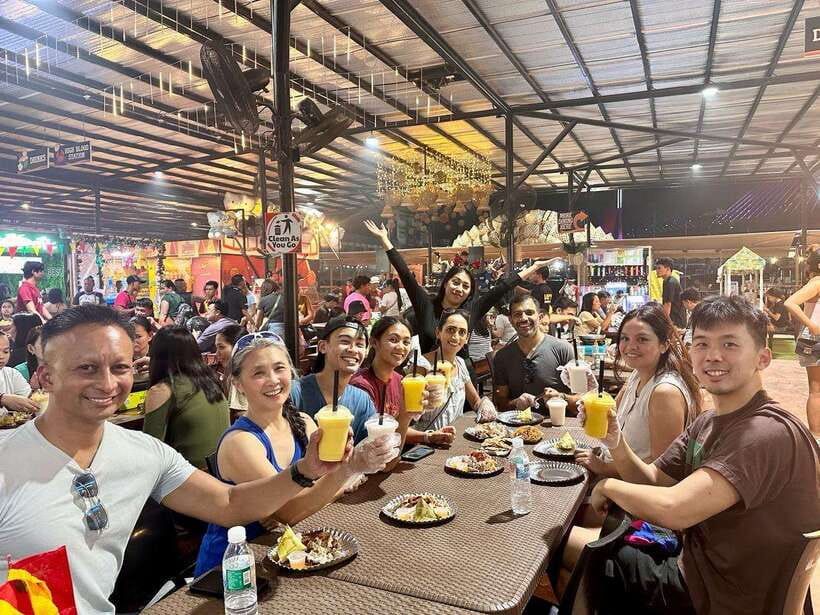
The other big factor is food. You are not just passing by snacks from a distance. You stop, taste, and learn what you are tasting, which is what turns street food from random to meaningful. If you enjoy bold flavors and you do not mind eating while walking, you’ll probably have an easy time with the pace.
One more practical point: the tour runs rain or shine. So plan for walking even if the weather turns. Bring shoes you trust on uneven sidewalks, and dress for heat and sudden showers.
More City Tours in Cebu
- Cebu City: Whale Shark Swimming & Kawasan Falls Canyoneering
★ 4.7 · 665 reviews - Cebu City: City and Mountain Highlights Tour
★ 4.6 · 85 reviews - Cebu: Exploring Cebu City’s rich history and Uphill Tour
★ 4.5 · 68 reviews
Where you meet: pickup included, hotel transfer not
The tour includes pickup, but it does not include a hotel transfer. That means you should expect to walk or taxi to a designated meeting spot instead of being collected from your room.
When you arrive, the guide is holding a piece of paper with your name. This is simple, but it helps avoid the classic travel stress of wandering around trying to match faces to booking info.
Because it is a live English guide, you are not stuck guessing at your own. Names can shift by day, but you can feel the difference when the guide speaks clearly and keeps the pace steady.
Cebu Farmers Market: setting up the food part the right way
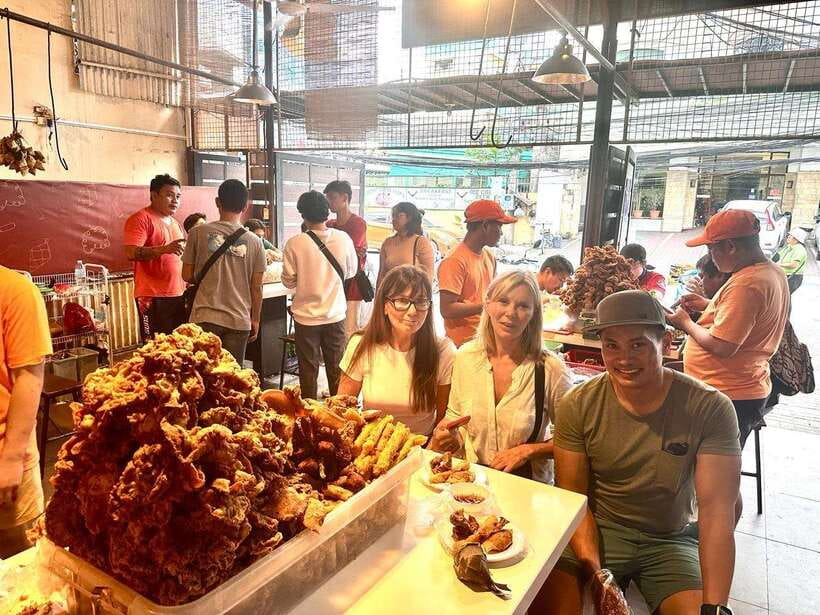
You start by meeting your guide and heading to the Cebu Farmers Market. This is one of those stops that feels small if you rush it, but it pays off because it gives you a reference point before the street-food sampling begins.
You learn about local food right as you’re seeing local ingredients and food culture. It is also a nice break from the pure sightseeing rhythm. Instead of only looking at history, you start learning how people live with food every day.
If you are the type who normally skips markets because you are hungry and impatient, try not to. Even a quick scan here helps you recognize flavors later when you’re eating on the street.
Balut and street-food tastings: bold flavors with a traditional bite
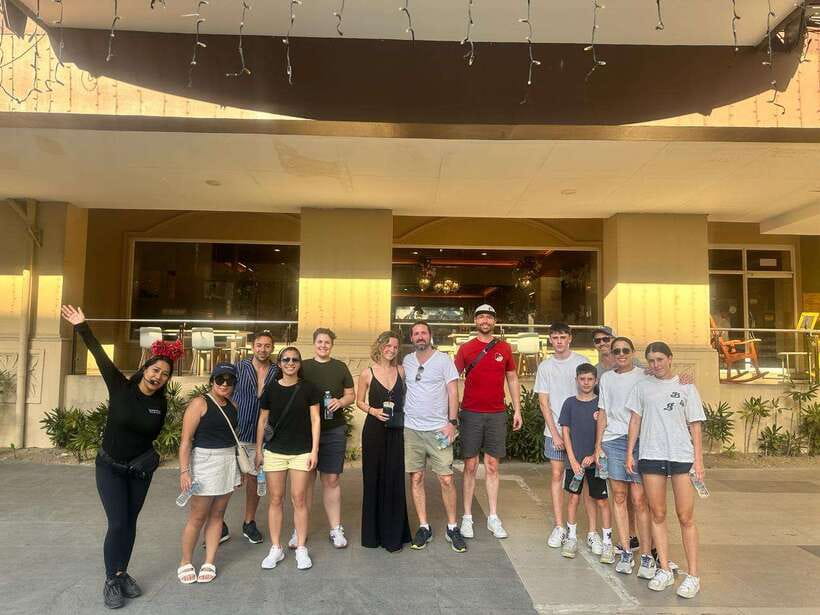
The tour includes street-food tasting with a special focus on balut, a boiled salted duck egg. The basic idea is simple: you taste it with salt, and you eat it as part of a local tradition.
What makes this worth doing with a guide is not just the food itself. It’s the confidence. When someone explains what to expect and how to handle it, it reduces the awkwardness that can come from ordering unfamiliar foods.
You also sample other local street snacks during the walk. The common theme is bold flavors and combinations that can surprise you, especially if you’re used to milder cuisines. Keep an eye on portion sizes. You’re sampling, not trying to replace a restaurant meal.
Practical tip: bring cash if you want flexibility for additional snacks or drinks beyond what is provided as part of the tasting stops. Comfortable clothes help too, since you may end up eating and walking under changing weather.
More History Tours in Cebu
- CEBU: Cebu City Heritage and Uphill Guided Tour
★ 4.2 · 31 reviews - Cebu City: Historical, Local Cuisine & Mountain Guided Tour
★ 3.8 · 12 reviews - Cebu: Guided Heritage City Tour
★ 3.3 · 8 reviews - Cebu: Heritage Half-Day Tour: Explore Historic Landmarks
★ 4.3 · 3 reviews
Heritage of Cebu Monument and 16th-century clues on the street
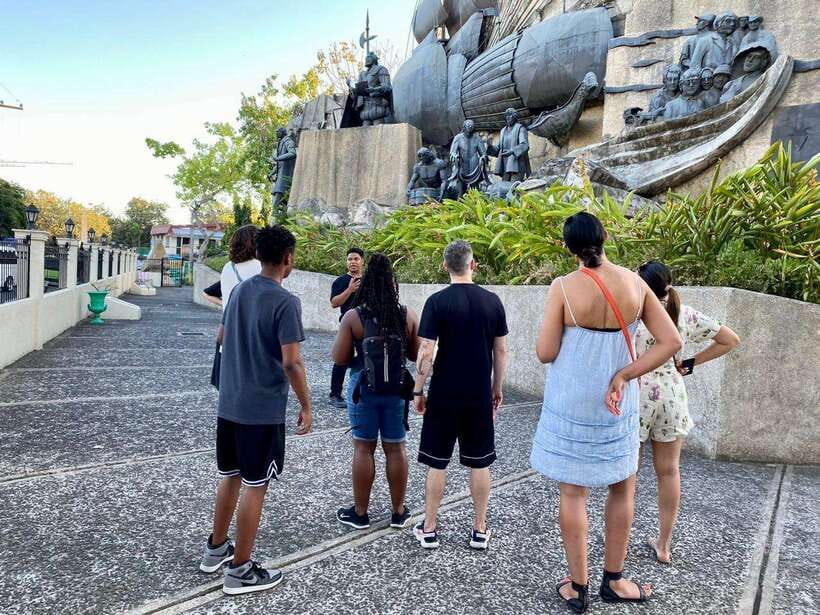
As you walk, you get a sense of how Cebu City layered history into everyday streets. Along the way, you see the Heritage of Cebu Monument, including its metal sculptures. This is one of those stops that helps you shift from random photos to actual meaning.
The guide also shares facts about Cebu as the oldest city in the Philippines, and as the first Spanish settlement and capital. That matters because the landmarks you’re about to see are not just pretty buildings. They reflect what Spanish exploration and settlement did to the city, including religion and architecture.
If you like city walks where the guide connects the dots, this part tends to click. You start noticing details in facades and streets that you would otherwise miss.
Yap Sandiego Ancestral House: coral stone and the story of trade
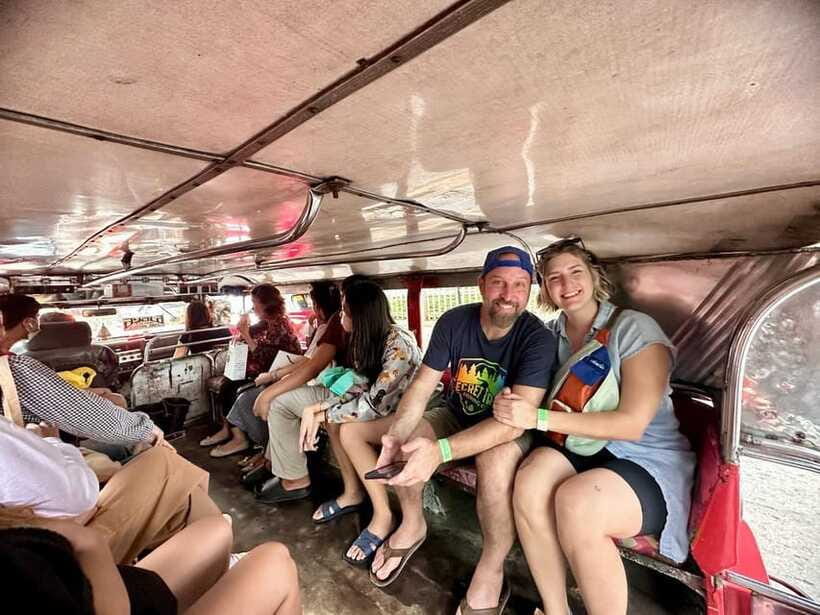
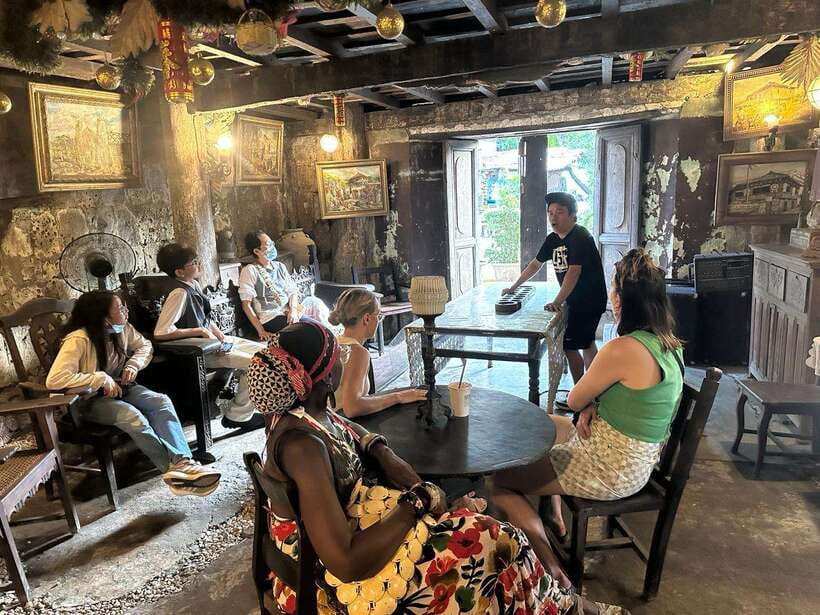
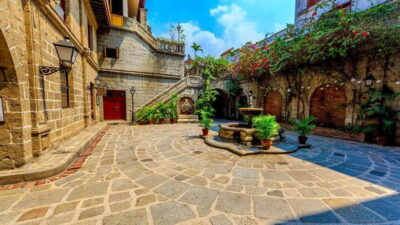
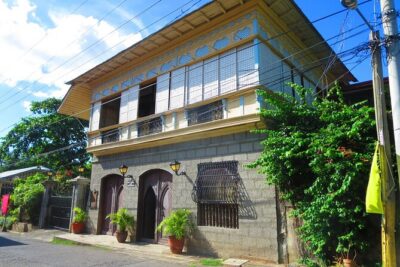
One of the tour’s standout moments is the Yap Sandiego Ancestral House, constructed from coral stone in 1680. This is not a generic museum stop. It’s a tangible example of how Cebu’s wealth and connections shaped real homes.
What I find useful here is the way the architecture is framed. You get both Chinese and Spanish influences, which helps you understand why the house looks the way it does. You’re seeing the result of trade routes, migration, and colonization colliding in one place.
There is also a good chance for photography, since this stop is built for visual storytelling. If you like to take your time with details, you’ll appreciate having a guide point out what to look for instead of wandering and guessing.
Basilica Minore del Sto. Nino de Cebu: the 1565 church stop
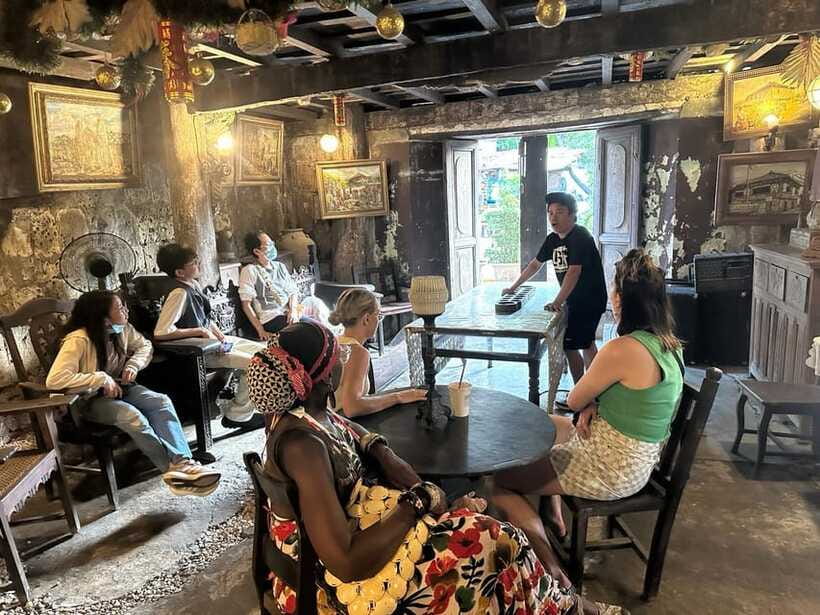
Next you head to Basilica Minore del Sto. Nino de Cebu, where you can see the oldest Roman Catholic church in the Philippines, built in 1565.
This is the kind of place where you should slow down mentally. The guide’s job is to give the timeline, but your job is to actually look at what you’re standing in front of. Even if you’re not a religious traveler, the historic significance is clear once you know the dates.
You’ll also get a sense of how Spanish-era influence stayed rooted. The building’s age turns the walking tour from “nice sites” into “real turning points.”
If you’re sensitive to crowds, go with the mindset that this is a core landmark. Keep your camera ready, but don’t rush your time inside the sense of place.
Carbon Market and Magellan’s Cross: coal, then a world-changing moment
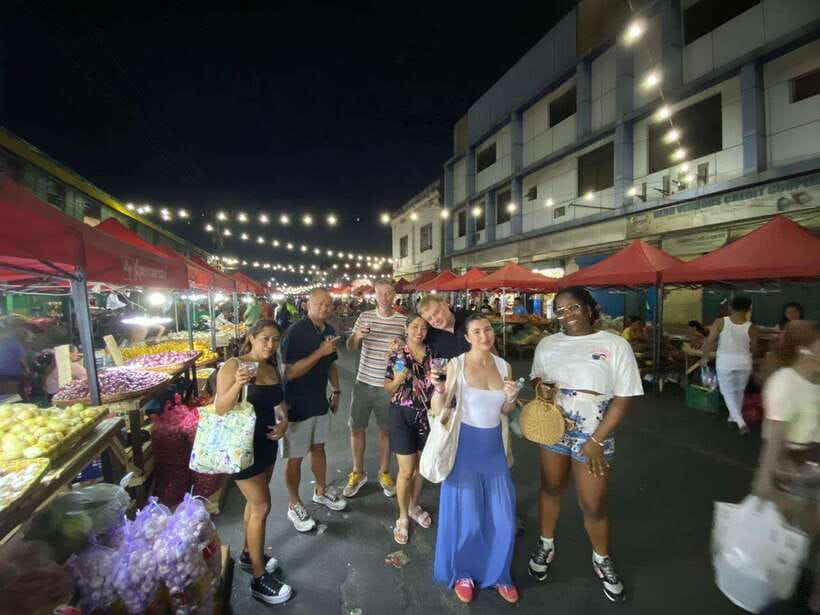
After the basilica, you move to Carbon Market, named from the Spanish word for coal. It was a former coal depot, and that detail gives you something solid to picture. This is how the city’s economy and daily life connect to its later monuments.
Then you arrive at Magellan’s Cross, where a Christian cross was placed by Spanish explorers led by Ferdinand Magellan in 1521. This part is powerful because it is very specific. You’re not just looking at a symbol. You’re standing near a marker tied to a documented historical moment.
For solo travelers, this is also one of the practical stops. Routes around central city landmarks can feel hectic, and having a guide helps with timing and safe movement between points. Some guides also actively help you navigate the final stretch, like getting you pointed toward a taxi home without drama.
If you want photos, aim for the Magellan’s Cross stop with a clear plan. Get one wide shot, then one close-up, and don’t block other people trying to pass.
Cebu Metropolitan Cathedral: a rebuilt landmark after World War II
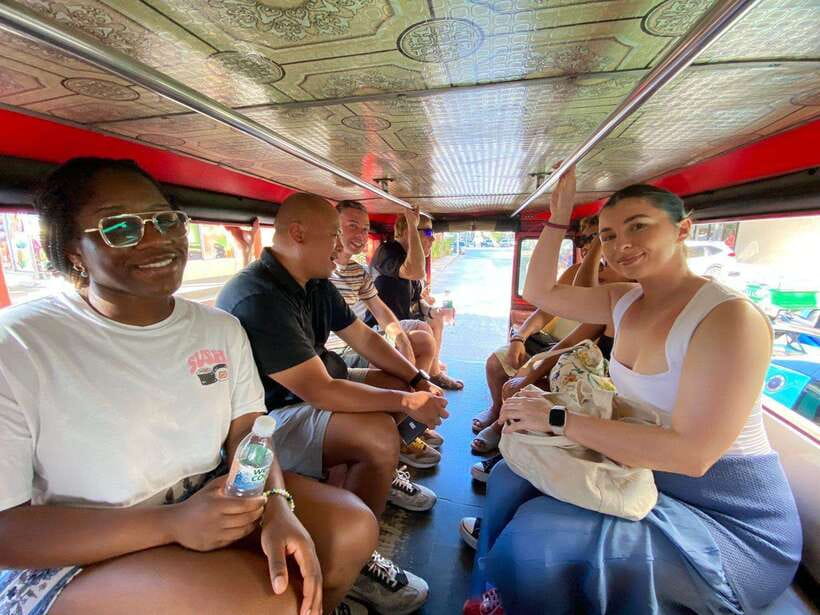
You finish this portion by walking to the Cebu Metropolitan Cathedral. The church was destroyed during the Second World War and rebuilt in the 1950s, so you’re seeing both the idea of loss and recovery in one building.
This is a useful contrast to the older sites. When you compare dates, the story stops being abstract. A 1565 church is one kind of anchor, while a 1950s rebuild shows how Cebu kept moving forward.
During the tour, you also enjoy street food along the way. The mix of history stops and snack stops prevents the “museum fatigue” that happens when walking tours turn into constant standing and reading.
Price and value for a $90, 3-hour guided walk
Let’s talk money honestly. At about $90 per person, you’re paying for three things:
First, you’re paying for a local guide who can explain what you’re seeing as you walk. That is the real value here. Cebu City can be easy to navigate, but it can be confusing to interpret. A guide turns buildings and dates into a coherent story.
Second, you’re paying for a structured food experience. You’re not just grabbing random snacks. You’re tasting items like balut and sampling street food with context so it feels intentional.
Third, you’re paying for the small-group pace. With a group limited to 10, you get more attention than you would on a huge tour. That also helps with safety and comfort when you’re moving through central markets and landmark areas.
Now, what could make it feel overpriced? If you are expecting a long, heavy meal or a food-focused tour with lots of variety, the 3-hour time window may not feel enough. One solid caution is that street-food tastes can be hit or miss depending on your preferences, especially if you dislike eggs or salty flavors.
My balanced take: this tour is worth it if you want both history and food in one morning or afternoon, and you’d rather not spend your limited Cebu time figuring out the story yourself. If you mainly want food, you might get more value by building a self-guided snack route.
Rain, walking, and what to bring so you stay comfortable
Because it runs rain or shine, plan for wet conditions and still-need-to-walk logistics. Comfortable shoes are non-negotiable. If your soles slip easily, swap them before you go.
Bring a camera, comfortable clothes, and cash. The guide experience is best when you can move freely and stop for photos without fuss. Jewelry is not allowed on this tour, so keep your outfit simple and secure.
Also, remember that this is a walking format. Even with stops, you should expect to spend much of the 3 hours on your feet.
Who should book this Cebu street food and history tour
This tour is a strong fit if you want:
- A short, efficient way to see major landmarks like Yap Sandiego Ancestral House, the basilica area, Magellan’s Cross, and the cathedral
- A guided introduction to street food, especially if balut is on your list
- A small-group setup where you can ask questions and not feel rushed
- A helpful English-speaking guide who handles the flow between stops
It may be less ideal if:
- You only want the cheapest food options and plan to self-guide everything
- You’re not interested in eggs, salt-forward flavors, or street-food tasting
- You prefer longer time at fewer stops instead of a packed 3-hour route
Should you book this Cebu City Historical Street and Food Tour?
If you’re balancing a tight schedule in Cebu City and you want a mix of street food plus the key historical sights, I’d book it. The guided pacing helps you connect the dates and places, and the small group makes the experience easier to enjoy.
I would hesitate only if you’re price-sensitive and expecting a full food festival. In that case, consider a self-guided plan and just add one guided element, like a market visit or a shorter landmark-focused walk.
If you like learning while you eat, and you’re ready for a traditional taste test, this is a solid way to spend 3 hours in Cebu.
FAQ
How long is the Cebu City Historical Street and Food Tour?
The tour duration is 3 hours.
What is the price per person?
The price is $90 per person.
What is included in the tour price?
It includes a tour guide and a guided tour.
Is hotel transfer included?
No. Hotel transfer is not included. Pickup is included, and you should wait in the designated area.
Is the guide English-speaking?
Yes. The live tour guide is English.
How large is the group?
The group is limited to 10 participants.
Does the tour run in bad weather?
Yes. The tour takes place rain or shine.
What should I bring, and is jewelry allowed?
Bring comfortable shoes, a camera, comfortable clothes, and cash. Jewelry is not allowed.
Can I cancel for a full refund?
Yes. You can cancel up to 24 hours in advance for a full refund. You can also reserve now and pay later.
More History Tours in Cebu City
- CEBU #1: Cebu City Heritage Tour w Hillyland Ecotour Combi
★ 5.0 · 3 reviews - Intramuros, Manila: Historical Bamboo Bike Tour
★ 4.8 · 583 reviews - Explore Intramuros: Introduction to Philippine History
★ 5.0 · 80 reviews - Experience Manila’s Heritage: Intramuros & More in Half a Day!
★ 5.0 · 76 reviews
More Food Tours in Cebu City
- Boracay Sunset Cruise with Party DJ & Unlimited Food and Drinks
★ 5.0 · 211 reviews - Manila Food Tour: Explore World’s Oldest Chinatown
★ 5.0 · 158 reviews - Manila: Street Food and Drinks Walking Tour with Tastings
★ 4.8 · 114 reviews - The Original Cebu City Historical and Food Walking Tour
★ 4.5 · 81 reviews
Freshly added in Cebu City
- Oslob Whale Shark Swimming & Kawasan Falls Canyoneering★ 4.6 · 16 reviews
- Cebu: Oslob Whaleshark Experience & Canyoneering Adventure★ 3.5 · 4 reviews
- Moalboal: Sardine Run, Turtles and Pescador Island Hopping★ 4.4 · 19 reviews
- Moalboal Sardine Run, Sea Turtle & Mantayupan Falls★ 4.6 · 15 reviews
- Cebu: Moalboal Sardines & Turtle Snorkeling and Canyoneering★ 4.3 · 17 reviews
- Malapascua: Advance Divers Shark Dive & Optional Transfer★ 4.3 · 6 reviews
- From Cebu: Osmeña Peak and Kandungaw Peak Hiking Trail★ 3.7 · 7 reviews
- From Cebu City: Scuba Diving with Whale Sharks Trip in Oslob★ 4.2 · 14 reviews
Historical Tours, compared.
Intramuros, Manila: Historical Bamboo Bike Tour
Read our review →
The Original Cebu City Historical and Food Walking Tour
Read our review →
Explore Intramuros: Introduction to Philippine History
Read our review →
Experience Manila’s Heritage: Intramuros & More in Half a Day!
Read our review →
Cebu: Exploring Cebu City’s rich history and Uphill Tour
Read our review →
Tagaytay, Taal Volcano & Heritage Town: A Journey of Discovery
Read our review →Browse the lists this tour appears in