
REVIEW · INTRAMUROS TOURS
A Step Back in Time: Intramuros Walking Tour
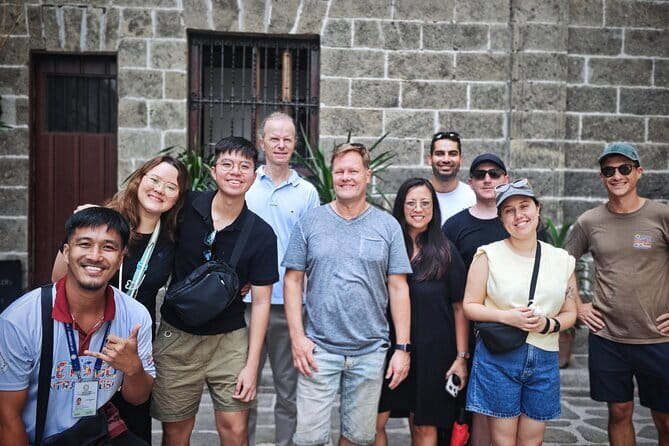
Manila history starts at the stone walls. This Intramuros walking tour turns Fort Santiago, Jose Rizal, and the UNESCO church stops into a clear timeline, guided by Russell Leyco. I like how the big events, including the Manila massacre and the Japanese invasion, are explained in plain language, and I like that you hit multiple major landmarks in just 3 hours. One consideration: there is no hotel pickup, so you will want to plan your own way to the meeting spot near Fort Santiago, then do a fair amount of walking.
What makes the experience feel different is that it is not just photo stops. You get guided time at each place, including a look around Fort Santiago, then short, focused visits at the museum and the churches, ending at Casa Manila. If you ever felt bored in history class, this tour uses stories and on-site details to keep you paying attention.
The setup is also practical: admission fees are included, you skip the ticket line, and the guide is English speaking. It is DOT accredited too, so you are not stuck with a random walkthrough. If you want a calm, slow museum marathon, this is not that. It is a smart, story-forward walk that gives you a working grasp of how Manila got to where it is today.
In This Review
- Key takeaways before you go
- Entering Intramuros: where the tour starts and why that matters
- Fort Santiago: the anchor stop and the dungeon stories
- Jose Rizal Museum: a short visit that gives you the key names
- Manila Cathedral: quick but meaningful, if you know where to look
- San Agustin Church: UNESCO status, explained in plain terms
- Casa Manila: the final stop that helps you connect the dots
- The 3-hour format: how to get the most without feeling rushed
- Russell Leyco’s storytelling style and why it makes history stick
- Price and value: what $28 gets you in Intramuros time
- What to bring, and small tips that improve the day
- Who this Intramuros tour is best for
- Should you book this Intramuros walking tour?
Key takeaways before you go
- Fort Santiago first, story first: one full hour to anchor the tour in the old walls of Intramuros.
- Dungeon history that connects to real events: you learn about the Manila massacre and the Japanese invasion from the Fort Santiago area.
- UNESCO stops, but with context: you do San Agustin Church as part of a guided timeline, not just a quick look.
- Jose Rizal Museum without wasting time: you get a short guided visit that still points you to what matters.
- Casa Manila makes a practical ending: the final stop is a fitting wrap-up, and the tour finishes where it started.
Entering Intramuros: where the tour starts and why that matters
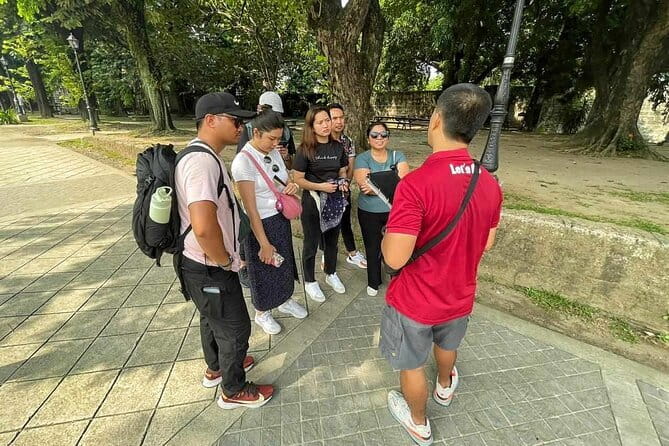
Intramuros can feel like a maze if you show up on your own. The streets are charming, but history spreads out across corners, gates, and churches. This tour fixes that by starting you right where the story becomes physical, at Fort Santiago.
You meet at the Fort Santiago entrance, right in front of the United Philippine Lines building on Sta. Clara Street. I like this meeting point because it is hard to miss once you are there. Also, since the tour ends back at Casa Manila, it is easy to keep your day flexible for lunch or other nearby sights afterward.
The guide encourages you to arrive about 15 minutes early. That is not just for paperwork. It helps your group start together, and it gives you a quick buffer if you are trying to find the exact entrance.
One more practical note: there is no food included and no transportation. Bring water and plan for breaks only when the schedule gives them to you. An umbrella also helps, because the weather in Manila can change fast and the walking part is not optional.
More Walking Tours in Manila
- Manila: Street Food and Drinks Walking Tour with Tastings
★ 4.8 · 114 reviews - Manila: Sightseeing and Food Walking Tour with Tastings
★ 4.7 · 68 reviews - Manila: Intramuros Walking Tour.
★ 4.9 · 63 reviews
Fort Santiago: the anchor stop and the dungeon stories
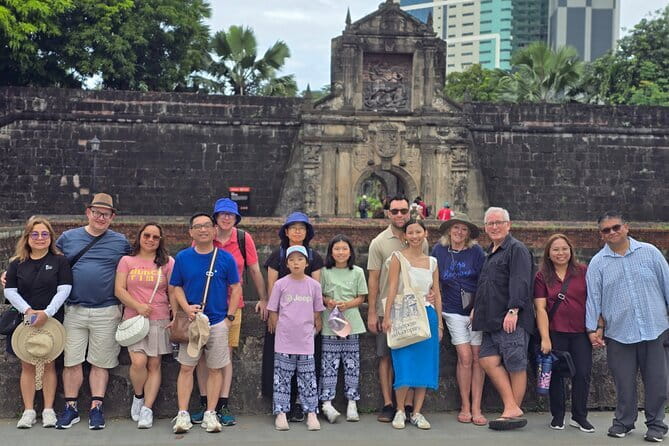
Fort Santiago is the heart of this experience, and the schedule reflects that. You spend about 1 hour here with a guided visit. This is the kind of place where the stones do part of the talking. Even before the stories start, you can see why it mattered as a stronghold.
What I find valuable is that the tour uses Fort Santiago not as an isolated fortress, but as a gateway to understanding key moments. The highlights specifically point to learning about the Manila massacre and the Japanese invasion through the dungeon. That makes the tour feel connected to human stakes, not just architecture.
The dungeon detail matters because it changes the way you look at the rest of Intramuros. After you hear the explanation in context, you start noticing how prisoners, walls, and power shaped daily life in Manila during conflict. If you want your history to feel real, this is the spot where that clicks.
Drawback to consider: Fort Santiago is one stop where you may wish you had more time, especially if you like studying details closely. You still get a solid hour, but the tour is designed to keep moving so you can cover the bigger church and museum circuit too.
Jose Rizal Museum: a short visit that gives you the key names

After the fortress stop, you head to the Museum of Jose Rizal for about 30 minutes guided. This time is intentionally short. The goal is not to turn it into a full-on museum day. Instead, you get the essentials so the rest of your Intramuros wandering makes more sense.
Rizal is one of those figures people reference constantly, but it is easy to lose meaning if you only know a few facts. A guided visit helps because it gives you a framework. You are not just reading labels at your own speed. You get direction on what to notice and how it connects to the wider story around Spanish-era Philippines and the road to later events.
This stop also plays well in the tour pacing. You just came from heavy conflict history, then you shift to a figure who stands for a different kind of resistance and ideas. That change of tone keeps the overall walk from feeling monotonous.
Manila Cathedral: quick but meaningful, if you know where to look
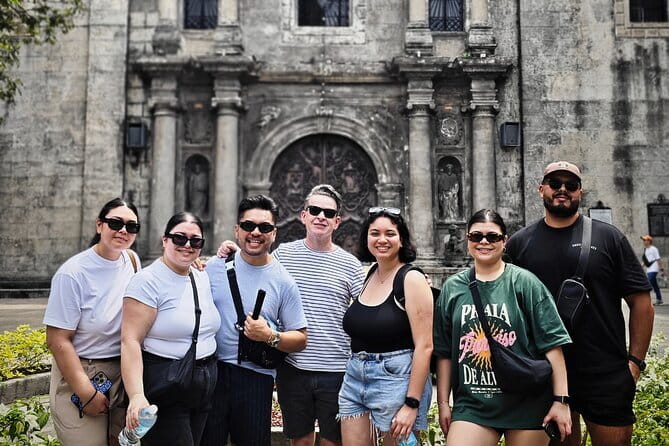
Next up is Manila Cathedral for about 20 minutes guided. This is a shorter stop, so you will want to lean in. The cathedral matters because it represents how Spanish Catholic faith was built into the city’s center, and Intramuros is basically that center.
What makes a timed guided visit work is that the guide can point out the features most people miss when they rush on their own. You likely will not have time to explore every corner, but you should leave with a better grasp of why this place sits at the core of Old Manila.
The main consideration here is simple: because the visit is brief, you may want to do a second visit later in the day if you enjoy architecture and want to spend more quiet time inside. This tour gives you a guided snapshot.
More Intramuros walks:
- Intramuros, Manila: Historical Bamboo Bike Tour
★ 4.8 · 583 reviews - Experience Intramuros with Bamboo Bicycle – Ecotours
★ 5.0 · 508 reviews - Manila: Intramuros, Chinatown, and Old Manila Half-Day Tour
★ 4.8 · 475 reviews - Manila: Guided Sunset Bamboo Bike Tour in Intramuros
★ 4.8 · 119 reviews
San Agustin Church: UNESCO status, explained in plain terms
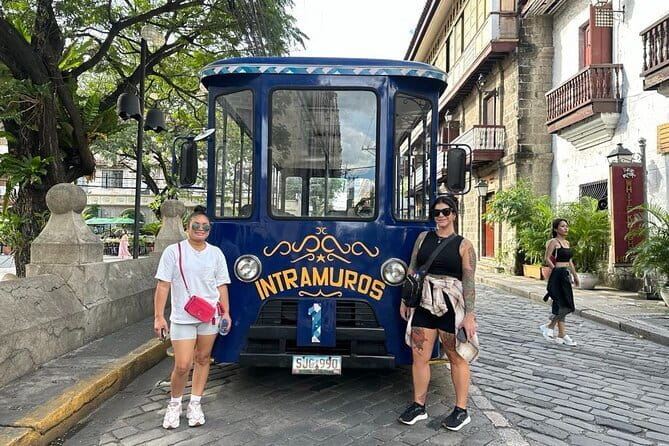
Then you get to the Church of San Agustin for about 15 minutes guided. The highlights emphasize exploring more of this UNESCO World Heritage church, and that makes sense. San Agustin is one of the sights that can look beautiful while still feeling a bit mysterious if you do not know what you are seeing.
This is another short stop, but it is built into the walking route for a reason. The guide can help you understand what makes the church special, so your quick visit still feels like more than sightseeing.
If you are the type who reads the history of a site after visiting, you will likely get a head start here. And if you are traveling with family or mixed ages, a 15-minute church stop tends to work better than long, slow waits.
Casa Manila: the final stop that helps you connect the dots
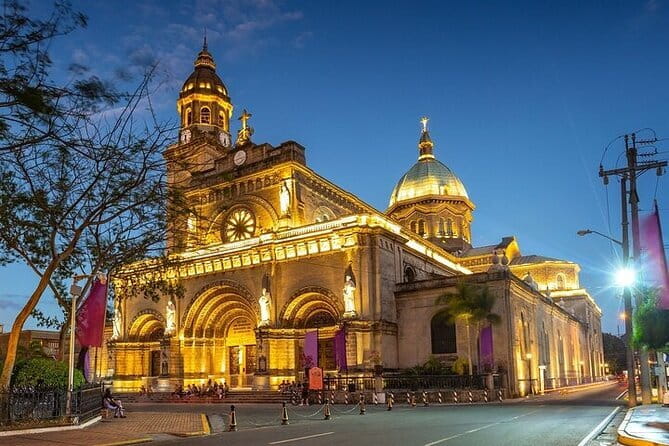
The tour ends at Casa Manila, with about 20 minutes guided along the way. Casa Manila is a strong wrap-up because it shifts you from churches and forts into the built story of daily life, home design, and the way wealth and culture showed up in the city.
Finishing at Casa Manila also keeps your logistics easier. The activity ends back at the meeting point area, so you are not left hunting for transit after the tour. You can head out when you feel ready, and if you want more time at a stop you liked, you are close.
One small pacing note: because Casa Manila is both a stop and the ending point, it can feel a bit like the closing chapter. If you want extra time to linger, plan for it after the tour rather than expecting the tour itself to slow down.
The 3-hour format: how to get the most without feeling rushed
This tour runs about 3 hours. That is a sweet spot for Intramuros because it is long enough for multiple guided stops, but short enough that you are not forced into an all-day commitment.
Still, the schedule does pack a lot into that window:
- Fort Santiago takes the most time at about 1 hour
- Jose Rizal Museum runs about 30 minutes
- Manila Cathedral is about 20 minutes
- San Agustin Church is about 15 minutes
- Casa Manila is about 20 minutes
In practice, that means you should expect a “guided walk plus quick guided looks” style. You will not have hours inside each venue. You will get the highlights, the context, and the story threads that connect the places.
If you prefer slow travel, you may want to pair this with additional self-guided time. Intramuros is great for repeat visits. But as a first look, this timing works well because it gives you a map of meaning, not just a list of buildings.
Russell Leyco’s storytelling style and why it makes history stick
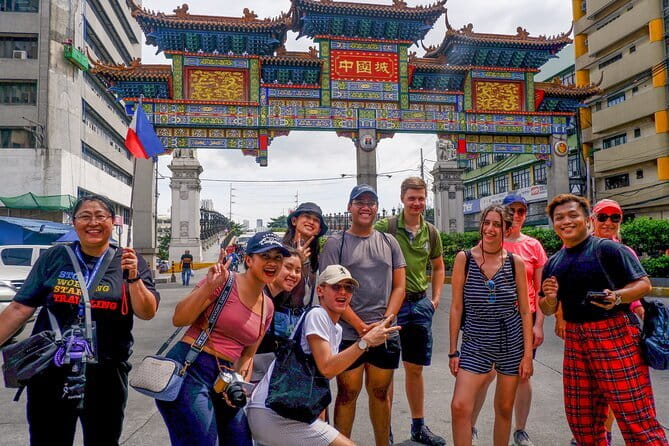
One of the most praised aspects of this tour is the guide. Russell Leyco is described as passionate, upbeat, and able to answer questions clearly. That matters because history tours often fall into two traps: either they recite facts, or they turn into an info dump that people cannot follow.
Here, the guide approach is story-led with on-site details. That is why the tour can cover heavy topics like the Manila massacre and the Japanese invasion without sounding like a textbook. You get a sequence of events, and then you see why the walls, the dungeon, the churches, and the city center mattered.
I also like the practical side that shows up in the experience: the guide shares insider help for what to photograph and where the best views usually are. That turns the tour into something useful for your memories, not just your notes on your phone.
If you are traveling with kids or someone who thinks history is boring, this is the kind of format that can change their mind fast. The pacing is active, and the guide keeps the focus on what you can see right in front of you.
Price and value: what $28 gets you in Intramuros time
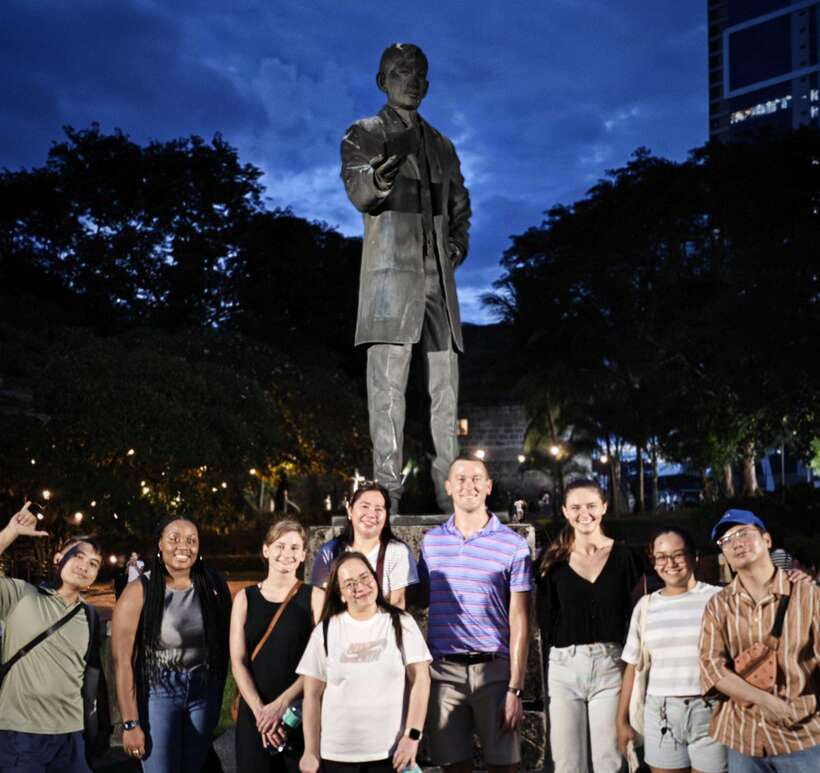
At $28 per person, this tour is not trying to be a bargain dump of a few landmarks. It includes admission fees and a DOT accredited English speaking local guide. It also includes skip the ticket line, which can save real time in a place where entry and visitor flow can slow you down.
So the value question is simple: are you paying for a guided experience that saves you time and gives you context, or are you paying for a walk that you could do alone? Here, the itinerary is built around guided time at major sites, and the guide story thread ties it together.
Does that mean it is perfect value for everyone? Not necessarily. If you only want to take quick photos and you already know Intramuros history, you could do some stops independently. But if you want the timeline explained clearly and you want your time to feel used, this price stacks up pretty well for a 3-hour guided circuit.
Also, if you are choosing private group options, the tour rate is good up to 4 persons, and there is an additional Php 1,500 per extra person. That is a key detail to check based on your group size.
What to bring, and small tips that improve the day
For a smooth walking tour in Manila, I recommend you pack like this:
- Bring water so you can keep going between stops
- Bring an umbrella in case the weather shifts
- Wear comfortable shoes, because Intramuros walking adds up quickly
A couple more tips based on how the tour is set up:
- Plan to arrive 15 minutes early at the Fort Santiago entrance, near United Philippine Lines on Sta. Clara Street
- Expect the tour to end back at Casa Manila, so plan your next activity nearby
- If you have arrival issues, the contact channel provided is Viber or WhatsApp
One more practical point: because food and beverages are not included, treat the tour as a history block first. If you want a good meal after, pick one location in advance so you do not end up hungry and rushing.
Who this Intramuros tour is best for
This is a strong fit if you:
- Want a first-time overview of Intramuros that still feels specific
- Like guided context for big places like Fort Santiago and San Agustin
- Prefer a structured walk instead of wandering blindly
- Travel with mixed ages and want a tour that stays active but not chaotic
It may not be your best match if you:
- Want long, quiet time inside each church or museum
- Dislike walking and short timed visits
- Need hotel pickup or detailed help with transport, since those are not included
Wheelchair accessibility is listed, which is good to know for travelers who need it. Since each stop has guided timing, it is still smart to consider how comfortable you will be with moving between sites for the full 3 hours.
Should you book this Intramuros walking tour?
I think you should book if you want an efficient, story-led way to understand Intramuros. Fort Santiago gives you the dramatic anchor, the dungeon story connects you to major events, and the combination of Jose Rizal Museum, Manila Cathedral, San Agustin Church, and Casa Manila gives you a well-rounded Old Manila picture in one morning or afternoon block.
You might skip or adjust if you are the type who wants to linger for long periods at churches and museums. This tour is designed for guided highlights, not slow exploration. Also, make sure you can handle meeting on your own, since there is no hotel pickup or drop-off.
If your goal is to get your bearings fast and leave with real context, this $28 per person tour is a solid bet, especially with Russell Leyco leading the stories and keeping the questions coming.
Freshly added in Manila
- Underground River with Lunch★ 3.6 · 5 reviews
- Tagaytay Adventure: Volcano Views, Countryside, Market & Cruise!★ 4.5 · 14 reviews
- 3 Days Private Tour in Banaue Ifugao visiting Batad Rice Terraces★ 3.5 · 3 reviews
- Unforgettable Manila Fishing Village Day Excursion 2024★ 5.0 · 4 reviews
- Tagaytay + Hidden Valley Springs: A Scenic Escape w/ Transfers★ 4.0 · 4 reviews
- Tagaytay Day Tour sightseeing with Panoramic Taal volcano view★ 5.0 · 6 reviews
- Cultural Dinner and Show in Manila★ 5.0 · 4 reviews
- indigenous Forest experience Manila 2023★ 5.0 · 4 reviews
Intramuros Tours, compared.

Intramuros, Manila: Historical Bamboo Bike Tour
Read our review →
Experience Intramuros with Bamboo Bicycle – Ecotours
Read our review →
Manila: Intramuros, Chinatown, and Old Manila Half-Day Tour
Read our review →
Manila Old and New: Sightseeing Tour Including Intramuros and Fort Santiago
Read our review →
Manila: Guided Sunset Bamboo Bike Tour in Intramuros
Read our review →
Explore Intramuros: Introduction to Philippine History
Read our review →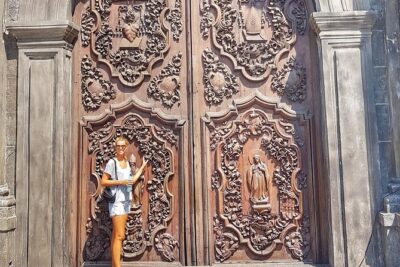
Experience Manila’s Heritage: Intramuros & More in Half a Day!
Read our review →Browse the lists this tour appears in