
REVIEW · MANILA TOURS
Revolutionary Tour of Manila
Fort Santiago can feel like a time machine. This tour links Philippine independence stories to the exact walls where people were imprisoned, punished, and finally remembered. I love how it starts with the Rizal era inside Fort Santiago, then keeps moving through later conflicts, including the Japanese occupation. One thing to keep in mind: if a church stop has a scheduled service, you might not get full access and the visit can feel shorter.
What really works is that you get a guided path through the big power fights of the country, not just dates on a board. I also like that the tour includes entrance fees and transportation, so you spend your time listening instead of negotiating tickets and getting lost. If you are hoping for a super smooth, long sit-down history lecture before you start walking, you may want to know that some guests have felt the start could use more framing.
In This Review
- Key Highlights You Will Feel Immediately
- Getting Your Bearings in Intramuros, Starting at Fort Santiago Gate
- Fort Santiago: Prison Cell to Mass Grave, With the Human Scale Kept On Purpose
- Manila Cathedral Stop: When Religion and Government Fight for Control
- General Luna Street: Courage Stories From the Philippine-American War
- San Agustin Church: Resiliency Through Different Periods
- Calle Real Finish: Watching Intramuros Become Its Opposite
- Price and What You Actually Get for $60
- Who This Tour Fits Best
- A Note on Guides and Language, Since That Shapes the Experience
- Tips to Make Your Day Easier in Intramuros
- Should You Book the Revolutionary Tour of Manila?
Key Highlights You Will Feel Immediately
- Fort Santiago first, not last, so the revolution story has a physical anchor from the start.
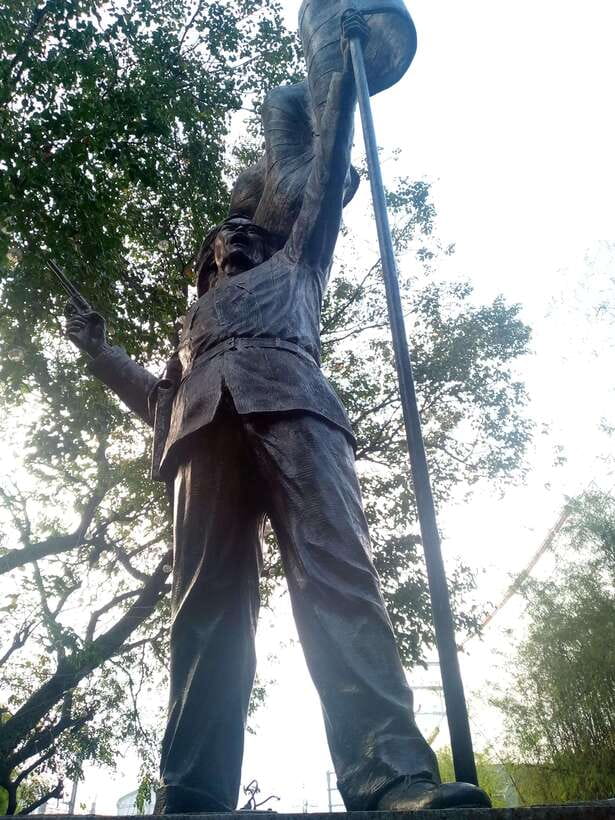
- Rizal’s last prison cell, tied to reformism and revolution, not just a name in a textbook.
- The dungeon experience: you hear about the thin oxygen conditions and see where civilian prisoners died.
- Church and state power struggles at Manila Cathedral, in a place where politics really mattered.
- General Luna Street war stories, focused on courage during the Philippine-American War.
- Calle Real finish line, where the old downtown of Intramuros feels like it flipped to something else.
Getting Your Bearings in Intramuros, Starting at Fort Santiago Gate
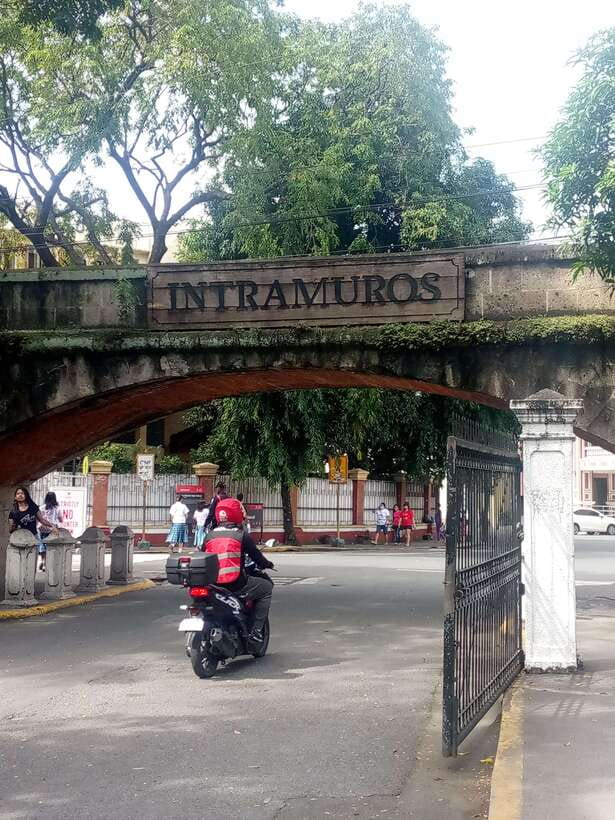
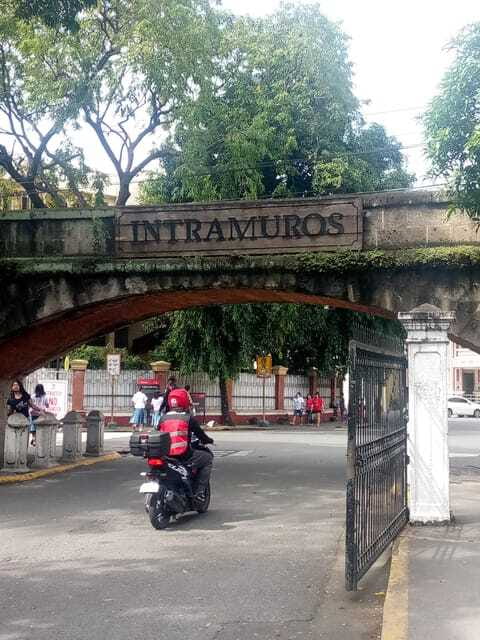
This is a 3-hour walk-and-learn through Intramuros, Manila’s historic core. You start at the Fort Santiago Gate, and your guide has the tour poster, so you can find the group without guesswork. From the first minutes, you are set up for a specific kind of history: the kind you can point to, because it happened in the same space you are standing in.
Fort Santiago is a smart choice for a beginning. It is not just “a fort.” It is a stage where empire showed its power through detention and control. The tour uses that atmosphere to connect major turning points in Philippine history, from pre-Hispanic times up through the Japanese occupation. That arc matters because a lot of visitors only hear independence as a single event. Here, you see how resistance and reformism build over time, and how different rulers left different kinds of pressure behind.
If you are traveling with someone who thinks history is dry, this tour is a good test. The route naturally carries you from prisons to cathedrals to a street full of war stories. You are not stuck listening in one spot for hours.
More of Manila worth pencilling in:
- Intramuros, Manila: Historical Bamboo Bike Tour
★ 4.8 · 583 reviews - Experience Intramuros with Bamboo Bicycle – Ecotours
★ 5.0 · 508 reviews - Manila: Intramuros, Chinatown, and Old Manila Half-Day Tour
★ 4.8 · 475 reviews
Fort Santiago: Prison Cell to Mass Grave, With the Human Scale Kept On Purpose
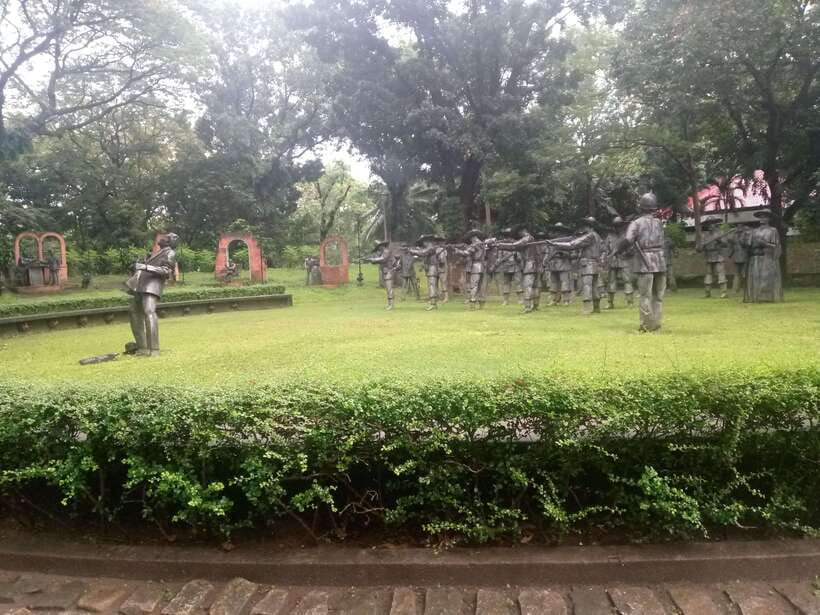
Your first real stop is inside Fort Santiago, and you spend about an hour there. The tour begins with “unsung” patriots, starting from the pre-Hispanic era and moving forward to the Japanese occupation. That is one of the most valuable parts for me, because it pushes you to look beyond the same handful of names.
Then the focus tightens. You learn about Dr. Jose Rizal’s detention and you visit the last prison cell where he was held. The guide also connects this to reformism and revolution, the ideas that shaped the nation. This is where you start to understand that history is not only what happened after battles. It is also the beliefs people carried, argued for, and risked everything to defend.
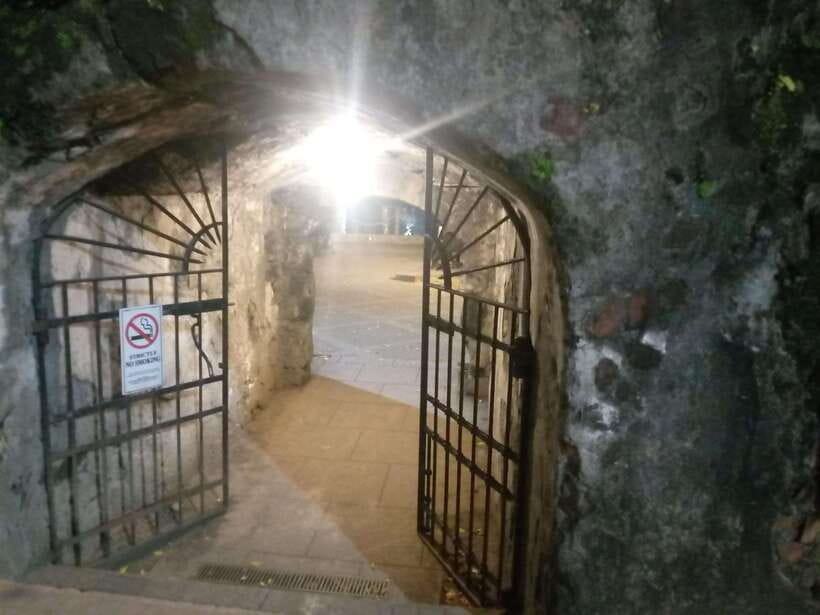
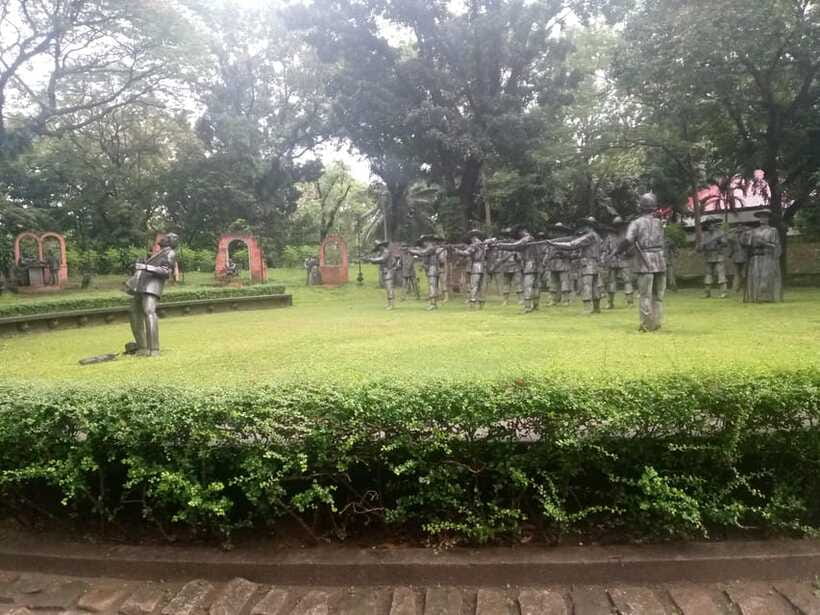
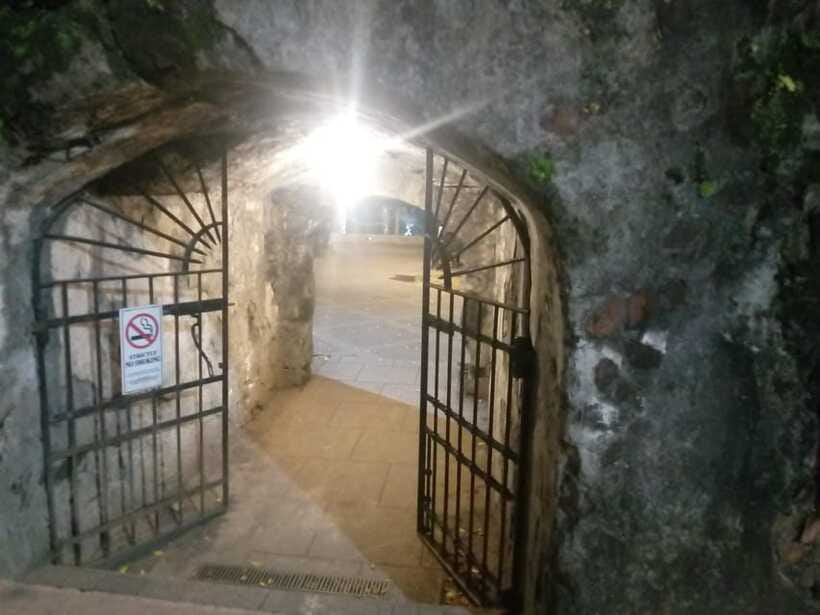
One of the most intense segments is the dungeon experience. You are told about the thin supply of oxygen the dungeons could only offer. You also walk through chambers where 600 Filipino and American civilian prisoners of war died. The tour includes a moment to pay tribute to their mass grave and spread their stories.
That is heavy material, but it is exactly why the tour feels honest. You are not just collecting facts. You are confronting what punishment looks like when it is institutional. If you are sensitive to dark history, it might help to mentally prepare before you reach the dungeon section, because the tour asks you to stay present with the reality of imprisonment.
Practical note: the tour has rules like no bare feet, and it is an active walking experience. Wear closed shoes and stay hydrated in the heat.
Manila Cathedral Stop: When Religion and Government Fight for Control
After Fort Santiago, the tour moves to Manila Cathedral for a guided visit of about 30 minutes. This is a shorter stop, but it is a key pivot in the story. Instead of focusing only on prisons and military power, you shift to the long-running contest between the church and the government.
That church-state dynamic is a big deal in Philippine history, and it is easy to miss if you only focus on colonizers and revolts. Here, you learn how institutional influence shaped public life and political outcomes. Even if you have visited churches before, this stop gives you a lens. You are not only admiring architecture or art. You are learning how authority worked.
Timing can matter here. Some guides and historic sites follow tight schedules. Also, church services can affect access. One piece of feedback I saw specifically noted that church entry was blocked due to Masses, which shortened the visit. If this matters to you, plan to be flexible and accept that sacred spaces sometimes take priority over tours.
General Luna Street: Courage Stories From the Philippine-American War
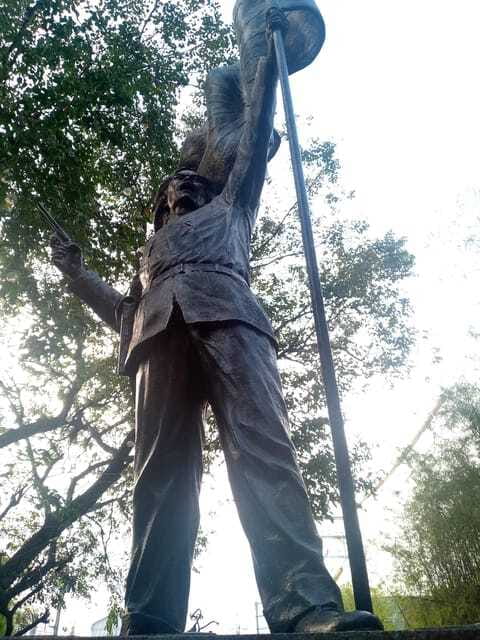
From the cathedral area, you stroll along General Luna Street and listen to tales of courage and sacrifice during the Philippine-American War. This is one of those “street history” moments that makes you pay attention to what is around you. You are moving through a place where everyday life and conflict overlapped, and the guide connects the geography to the human choices.
This segment is valuable because it reminds you independence did not arrive neatly and peacefully. The struggle shifted forms. It included battles, but it also included endurance under new rule. The stories on this street help you bridge the gap between the earlier Spanish era themes and later national change.
If you like history that feels connected to real streets and neighborhoods, you will probably enjoy this portion. It also breaks the heavier prison material with moving, walking, and storytelling.
A different kind of day in the islands:
- Manila: Old & New 4-Hour City Tour
★ 4.5 · 458 reviews - Spectacular Manila to Tagaytay: Full-Day Sightseeing Tour
★ 5.0 · 349 reviews - Makati Nightlife: VIP Access to Clubs, Rooftops & Go-Go Bars
★ 4.9 · 278 reviews - Discover Tagaytay’s Countryside: Half-Day Sightseeing Tour
★ 4.5 · 207 reviews
San Agustin Church: Resiliency Through Different Periods
Next up is San Agustin Church, another guided stop of around 30 minutes. The theme here is resiliency through different periods of history. That phrasing matters. It signals that the story is not only about destruction. It is also about survival and continued identity.
San Agustin is often discussed for its standing in Intramuros, but this tour goes beyond a quick photo stop. You get guided storytelling that helps you understand why the church still matters in the national narrative. You learn to see it as a witness, not just a building.
Again, access can depend on what is scheduled. The earlier feedback about not being able to enter churches due to Masses is relevant here too. If a church visit is limited, ask your guide what you can still do in that time. A good guide will help you keep the learning value even when access is constrained.
Calle Real Finish: Watching Intramuros Become Its Opposite
The tour ends at Calle Real. This is not just a location drop-off. It is the last meaning point of the whole experience. You finish by witnessing how much Intramuros has changed into its actual opposite from what it once was.
That ending lands because you spent the previous time thinking about power, imprisonment, and control. Then you step into the present version of downtown Intramuros, and you see how time, rebuilding, and community memory reshape what tourists walk through.
The result is a satisfying loop. You start with the walls that held people. You end with a street that represents the city’s survival and reinvention. For me, that makes the tour feel more complete than a single-site history stop.
Price and What You Actually Get for $60
At $60 per person for 3 hours, this tour sits in the “serious history, guided, not rushed” category. The value comes from three things you do get: a professional guide, entrance fees, and transportation. That bundle matters. Intramuros can eat time if you have to buy tickets separately or navigate between stops on your own.
The guide is the main reason to pay. You are not just walking between attractions. You are receiving context on reformism, revolution, the Japanese occupation, the Philippine-American War, and the church-state power struggle. That kind of interpretation is hard to reproduce on your own unless you already know what you are looking for.
You should also note what is not included: meals and drinks. So budget for a snack or plan a nearby meal after the 3-hour window. The tour does not pretend to be a full day.
If you are trying to pack a lot of Manila history into one outing, this is a strong candidate because it concentrates on Intramuros and the themes that connect. If you only want quick landmark photos, you might prefer something lighter.
Who This Tour Fits Best
This tour is best for you if you want history that connects people’s choices to physical places. It is also a good fit if you like guided storytelling where the guide explains why an event mattered, not just what happened.
You will probably enjoy it if:
- You are comfortable with heavy subjects like war and civilian prisoner deaths.
- You prefer walking tours with multiple stops over one long museum-style session.
- You want a route that covers the Spanish and American periods plus later occupation history.
It might be less ideal if:
- You need maximum church access at all costs, with no flexibility if services interfere.
- You expect a long, front-loaded introduction before you start moving.
A Note on Guides and Language, Since That Shapes the Experience
The tour offers a live guide in English and German, and that language support is a real comfort. In the feedback I saw, one guide named Jerome received specific praise for speaking English and German very well, and for making the overall experience feel informative and interesting. Another positive point mentioned was that the transportation was fun, which suggests the movement between parts of Intramuros is handled with care.
You should assume the guide quality will matter a lot here because so much of the tour value is in interpretation. If you are choosing between languages or tour times, pick the one where you can follow easily, especially when discussing complex shifts like reformism and revolution.
Tips to Make Your Day Easier in Intramuros
This is a history tour, but Manila weather and street conditions matter. The tour advice is straightforward: apply sunscreen or mosquito repellant. Also, wear clothing and shoes that work for walking and for historic sites. No bare feet is enforced, so plan accordingly.
If you are sensitive to heat, bring water, take slow moments when the story turns intense, and use shade when you can. When the tour reaches the dungeon segment, you will want to be mentally ready for the heavier content so you can absorb the story instead of bracing through it.
Should You Book the Revolutionary Tour of Manila?
Yes, if you want a guided Intramuros history walk that treats the revolution story as more than dates. The biggest reason to book is the way the tour links key moments, from Rizal’s detention to wartime imprisonment and then into street-level stories and church-state power struggles. It is also good value for $60 because entrance fees and transportation are covered, so you are paying for a guided learning experience, not just access.
Skip it or choose a different option if you have zero flexibility about church entry. Some past experience notes indicate that Masses can limit access, which can shorten the visit. Also, if you dislike heavy war history, the dungeon and mass grave section may be too intense for your comfort level.
If you match the intent, this tour is the kind that sticks with you. You leave Intramuros with names and events organized around places, and you understand why people fought, suffered, and kept shaping the country long after the rulers changed.
Freshly added in Manila
- Underground River with Lunch★ 3.6 · 5 reviews
- Tagaytay Adventure: Volcano Views, Countryside, Market & Cruise!★ 4.5 · 14 reviews
- 3 Days Private Tour in Banaue Ifugao visiting Batad Rice Terraces★ 3.5 · 3 reviews
- Unforgettable Manila Fishing Village Day Excursion 2024★ 5.0 · 4 reviews
- Tagaytay + Hidden Valley Springs: A Scenic Escape w/ Transfers★ 4.0 · 4 reviews
- Tagaytay Day Tour sightseeing with Panoramic Taal volcano view★ 5.0 · 6 reviews
- Cultural Dinner and Show in Manila★ 5.0 · 4 reviews
- indigenous Forest experience Manila 2023★ 5.0 · 4 reviews
Manila Tours, compared.
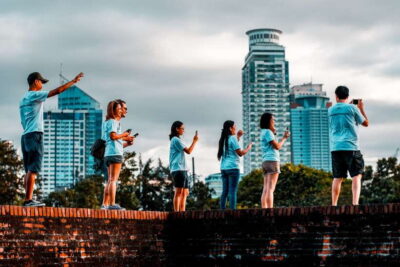
Intramuros, Manila: Historical Bamboo Bike Tour
Read our review →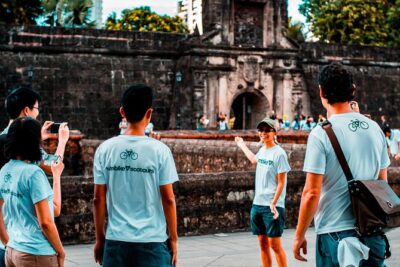
Experience Intramuros with Bamboo Bicycle – Ecotours
Read our review →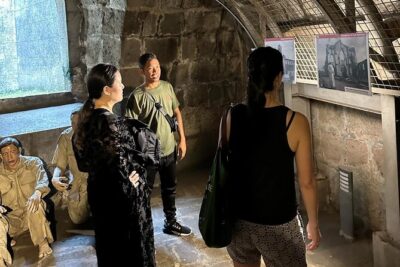
Manila: Intramuros, Chinatown, and Old Manila Half-Day Tour
Read our review →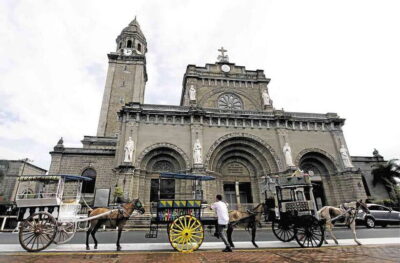
Spectacular Manila to Tagaytay: Full-Day Sightseeing Tour
Read our review →
Makati Nightlife: VIP Access to Clubs, Rooftops & Go-Go Bars
Read our review →
Discover Tagaytay’s Countryside: Half-Day Sightseeing Tour
Read our review →
From Manila: Tagaytay Countryside Wonders: A Half-Day Tour
Read our review →Browse the lists this tour appears in