
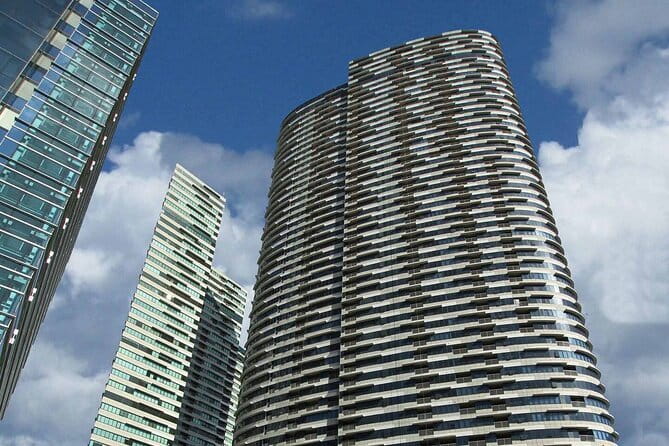
REVIEW · WALKING TOURS
Manila Social and Political Walk
Manila has two faces, and this walk spots both. This documentary-style social and political walk turns a simple evening stroll into a pointed, balanced look at how the Filipino state formed and how today’s headlines shape daily life, with a guide named Alex who is clearly passionate about Manila’s contrasts and challenges. The one drawback: it’s intentionally politics-forward and information-heavy, so if you only want classic sights or a light chat, you might feel a bit overloaded.
I like that the route hits very different parts of the city in just about 2 hours 30 minutes, with short 15-minute stops that keep moving instead of dragging. You start at Starbucks One Rockwell in Makati at 6:00 pm, then return to the same meeting point as you go from upscale towers to street-level culture, and end up with the Pasig River and Mandaluyong in the mix. Each stop is listed with admission ticket free, so your time goes to learning and looking, not paying fees.
For best results, you need decent weather. This is also a small-group experience (max 30), which is great for conversation, but it means you should plan to show up on time so you do not slow the whole group down.
In This Review
- Key highlights you will actually feel on the street
- Setting off from Rockwell Center at 6:00 pm, then tracing Manila’s power map
- Why this walk feels like a documentary, not a quiz show
- Stop 1: Rockwell Center, Manila’s upscale starting point
- Stop 2: Trump Tower at Century City, luxury branding you cannot miss
- Stop 3: P. Burgos Street in Makati, food, bars, and social life
- Stop 4: Poblacion, street art, cafes, and the changing face of neighborhoods
- Stop 5: Pasig River, the city’s old artery and its modern problems
- Stop 6: Mandaluyong, skyscrapers, and the business-side of Metro Manila
- How to get the most from 2.5 hours of heavy context
- $45.75 for Manila politics and street-level context: is it good value?
- Who should book this Manila Social and Political Walk
- Should you book this experience?
- FAQ
- Where does the tour start?
- What time does the walk begin?
- How long is the tour?
- How much does it cost?
- How many stops are there?
- What kind of ticket do I receive?
- How large is the group?
- Does it run in poor weather?
- What is the cancellation window?
Key highlights you will actually feel on the street
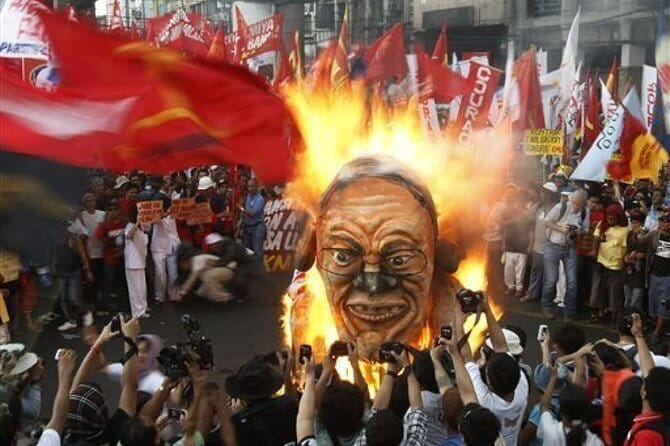
- Documentary-like storytelling that connects modern Manila to big social and political themes
- Alex’s style: energetic delivery and a knack for explaining real-life context behind what you see
- A stop-by-stop contrast route from Rockwell Center to Trump Tower, then down to P. Burgos Street and Poblacion
- Pasig River as a turning point, used to talk about infrastructure, public life, and neglect versus historical importance
- A manageable group size (up to 30) that keeps questions possible
Setting off from Rockwell Center at 6:00 pm, then tracing Manila’s power map
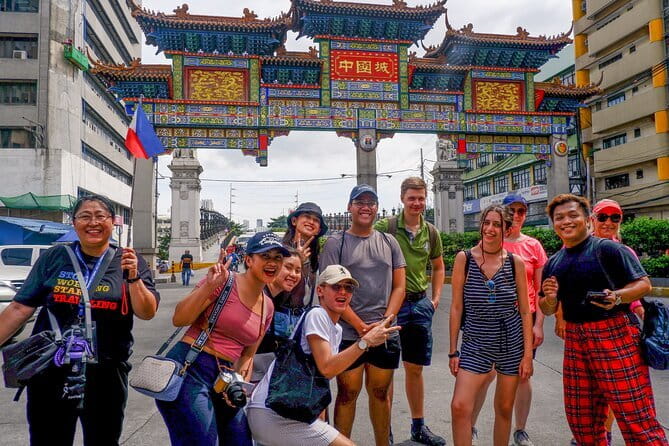
The tour starts at 6:00 pm at Starbucks One Rockwell on Rockwell Drive in Makati, and it ends back at the same place. That matters more than you might think, because late afternoon into evening is when Manila’s social life starts to show: lights go on, streets get louder, and the city feels more “in motion” than in the midday lull.
The format is built around short blocks of attention. You get about 15 minutes at each stop, which is just enough time to orient yourself, notice what makes the place distinct, and then have the guide frame it in social and political terms. Because the total duration is about 2 hours 30 minutes, you are not stuck in one neighborhood all night. You get a moving slice of Metro Manila, with each stop acting like a chapter.
Group size is capped at 30, which makes this feel more like a conversation walk than a lecture with a megaphone. If you ask questions, you are not fighting for air.
More Walking Tours in Luzon:
- Manila’s Walled City: Intramuros Walking Tour
★ 5.0 · 82 reviews - Manila Intramuros Walking tour with Local Tour Guide
★ 5.0 · 33 reviews - Intramuros & Chinatown Manila Tour – Walking, Food & Culture
★ 4.5 · 32 reviews
Why this walk feels like a documentary, not a quiz show
This experience is described as interactive storytelling with the flow and information level of a documentary. In practice, that means the guide’s goal is not just to point out what you can already see. It’s to give you a framework so you can interpret what you’re looking at: how social systems develop, how politics shapes daily life, and why modern events matter beyond the headlines.
The tour also aims to be balanced and non-biased. You are not being pushed to repeat a single viewpoint. Instead, you are encouraged to form your own conclusions after hearing both historical and current angles.
If you are the type of person who likes context, this is the kind of tour that helps you stop saying “interesting” and start saying “okay, I get why that exists.” The tradeoff is also real: it’s aimed at people with an actual interest in politics and the Philippine situation. If politics makes you tune out, you may not get your money’s worth.
Stop 1: Rockwell Center, Manila’s upscale starting point
Rockwell Center is one of Manila’s most upscale urban enclaves, and starting here is a deliberate choice. I like this opener because it sets up a contrast early. You begin in a place designed around prestige and high-end urban planning, then the walk gradually pulls you toward street life, nightlife, and public-space issues.
During your short visit, focus on what feels “planned” versus what feels “lived-in.” Even if you do not consider yourself an architecture person, you can still read the cues: how the area presents itself, how people move through it, and what kind of everyday comfort it signals.
The main drawback at this kind of first stop is simple: if you came looking for local history markers, you may feel like you started in a bubble. Still, that bubble is useful, because the later stops will show you what that difference means socially and politically.
Stop 2: Trump Tower at Century City, luxury branding you cannot miss
Next up is the Trump Tower at Century City, a striking skyscraper known for luxury residences and an overall sense of opulence. You get a clear visual hook here, and that is exactly what a politics-and-society walk needs: a symbol you can actually stand in front of.
In terms of themes, this stop naturally invites questions about global influence, branding, and how wealth signals power. Even without a deep architectural conversation, you can connect the dots: a name and design that telegraph status do not exist in a vacuum, they exist in a society that produces both wealth and inequality.
Potential consideration: if you prefer human-scale streets over towering photo ops, this stop might feel more like a quick skyline moment than a “story” stop. But in a route like this, those visual anchors help you remember the argument later.
A different kind of day in the islands:
- Manila Old and New: Sightseeing Tour Including Intramuros and Fort Santiago
★ 4.5 · 377 reviews - Manila Filipino Cooking Class: Meryenda Favorites
★ 5.0 · 80 reviews - Batad Guided Tour
★ 5.0 · 78 reviews - Manila Super Saver: Manila Sightseeing plus Tagaytay Tour with Taal Volcano
★ 4.0 · 75 reviews
Stop 3: P. Burgos Street in Makati, food, bars, and social life
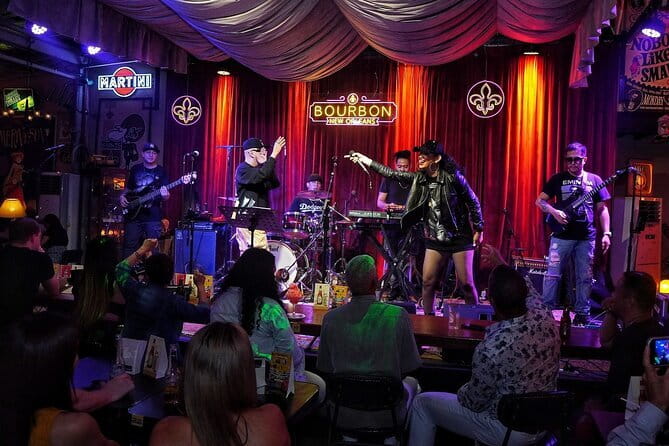
P. Burgos Street in Makati is known for restaurants, bars, and nightlife. This stop shifts you from luxury visuals into the daily culture of the city’s evening crowd. It’s also where you can start seeing how social spaces operate: where people gather, how entertainment is packaged, and how neighborhoods earn their identity.
You get around 15 minutes, so you will not “tour” every block. Instead, use the time to notice the social rhythm. What kind of energy dominates, who seems to be out, and what role the street plays in the neighborhood’s economy and mood?
One real downside of nightlife-area walks is noise and crowding. If you are sensitive to loud sound or if your idea of comfort is quiet conversation, this is the stop where you may want to position yourself strategically so you can still hear the guide.
Stop 4: Poblacion, street art, cafes, and the changing face of neighborhoods
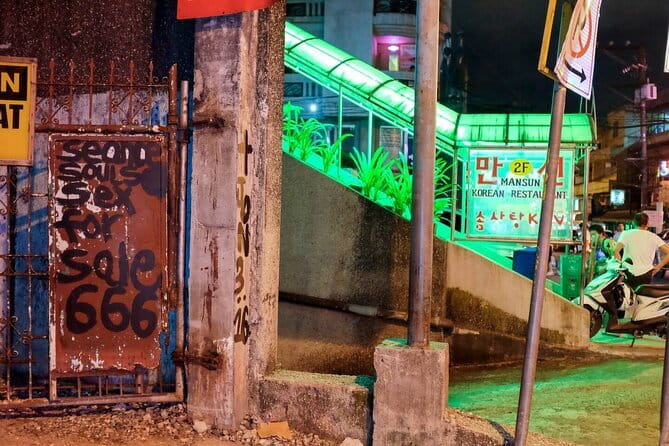
Poblacion is described as blending historic charm with trendy cafes and street art, plus a lively nightlife scene. This stop is valuable because it captures how neighborhoods evolve: older textures, newer branding, and the way the arts and food culture can change what a place means to locals and visitors.
The key here is to treat it like a social signal. Street art is not just decoration, it often works as public voice. Cafes are not just coffee stops, they can become meeting points for particular communities. And nightlife is not merely fun, it can also reflect economic pressure, shifting demographics, and how cities regulate or tolerate public culture.
Because the visit is short, you will not have time to chase every side street. Still, if you keep your eyes open for the contrast between “old” and “new” in the same frame, you’ll get a lot out of the stop.
Stop 5: Pasig River, the city’s old artery and its modern problems
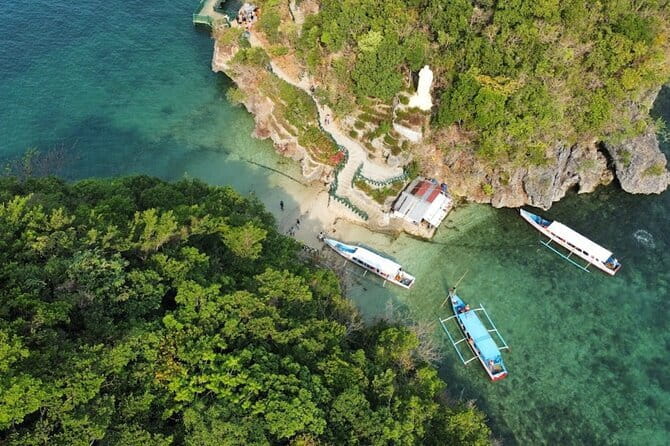
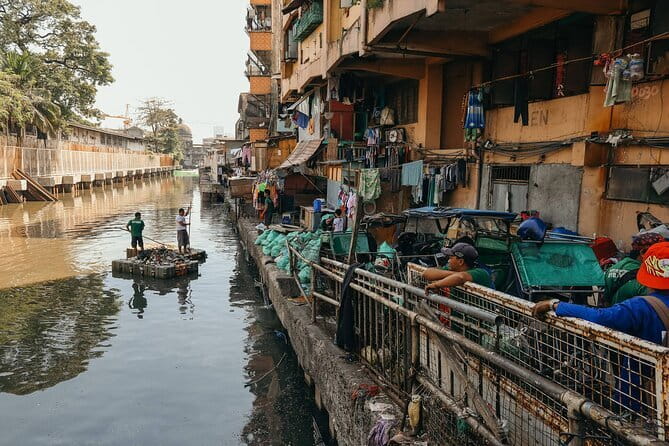
Then comes one of the most meaningful stops: the Pasig River. The river flows through the heart of Manila and was once a vital artery of trade and transportation. Today, it’s described as struggling with pollution and neglect, though it still carries traces of historical significance.
This is where the tour’s politics-and-society themes become hard to ignore. A river like this is not only a physical feature. It’s a public question: whose needs get prioritized, what maintenance costs are accepted, and how leaders handle long-term planning versus quick fixes.
You also get a strong lesson in reading the city. Even if you cannot fully judge the river’s condition in a short stop, the guide’s framing gives you a way to interpret the signs you see and the absence of signs you might expect.
If you prefer tours that focus only on “pleasant views,” this is not that. But if you want a tour that explains why some places feel cared for and others feel abandoned, this stop is the payoff.
Stop 6: Mandaluyong, skyscrapers, and the business-side of Metro Manila
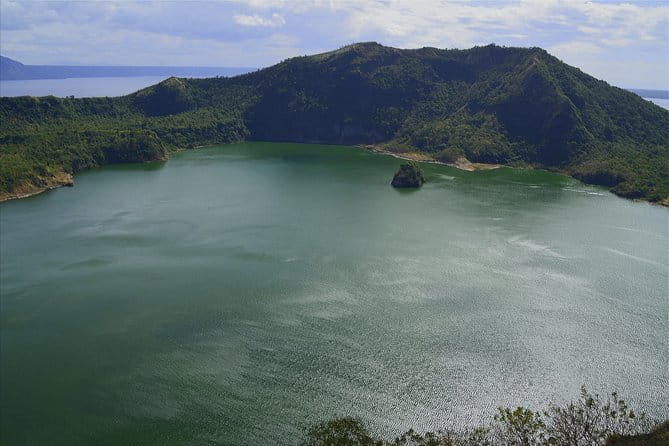
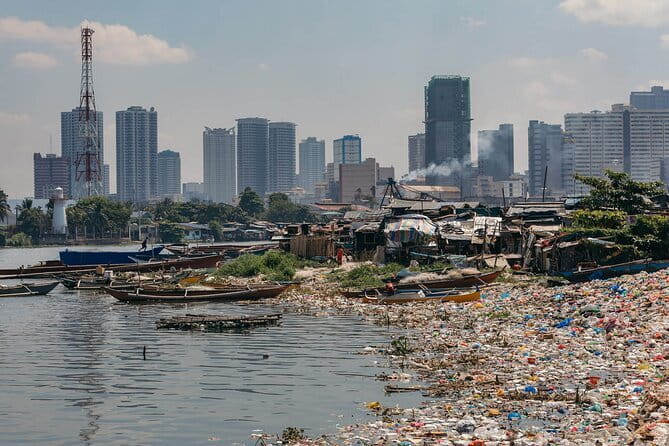
The last neighborhood stop is Mandaluyong City, known for its urban atmosphere, skyscrapers, and thriving business district. Ending here shifts the emphasis back toward how Metro Manila runs: jobs, offices, development pressure, and the economy that sits behind so much of daily life.
This stop is a good contrast after Pasig River. You start to see the bigger loop the guide is likely drawing: infrastructure and environment affect quality of life, and economic power shapes what gets invested in and what gets ignored.
Because this is the final stop, I recommend you use it to connect the dots across the whole route. Ask yourself how the wealthy enclaves, the nightlife streets, the public waterway, and the business district all fit into one conversation about society and governance.
How to get the most from 2.5 hours of heavy context
This tour is listed as most suitable for people who genuinely want to learn more about the Philippines situation through first-hand research. That does not mean you need a political degree. It does mean you should show up curious, ready to listen, and willing to sit with uncomfortable topics.
A few practical ways to make the evening work better for you:
- Arrive a few minutes early at Starbucks One Rockwell so the group can start cleanly.
- Wear comfortable shoes. You are walking from stop to stop, and the whole tour is around 2 hours 30 minutes.
- Keep an eye on the time given to each stop. The 15-minute pacing is part of the format, so treat it as “see and interpret,” not “wander and shop.”
- Be prepared for weather dependence. Since the experience requires good weather, check forecasts and do not plan a tight schedule afterward.
$45.75 for Manila politics and street-level context: is it good value?
At $45.75 per person, this is not the cheapest guided activity in Manila, but it also isn’t priced like a museum admission day. You are paying for two things: a structured route and a guide who turns what you see into a social and political storyline.
A helpful value detail: each listed stop is marked admission ticket free, so your money is mainly buying guidance, pacing, and interpretation. Also, the tour length is substantial enough to matter: about 2 hours 30 minutes, with multiple distinct areas included rather than one neighborhood loop.
One more value point is group size. With a maximum of 30, you’re less likely to feel like you’re listening to a distant guide. That improves the odds that you’ll actually get your questions answered.
The tradeoff, again, is the content style. If you are hoping for a relaxed sightseeing walk with minimal context, you may feel the price is high for what you wanted. If you came for meaning and context, it reads like a solid deal.
Who should book this Manila Social and Political Walk
Book it if:
- You want a politics-and-society view of Manila instead of the usual “what to photograph” tour.
- You like contrasts, especially routes that connect wealth, public spaces, nightlife, and infrastructure into one story.
- You enjoy asking questions, because the small-group format helps.
Skip it if:
- You want a purely scenic walk with light commentary.
- Politics-heavy, documentary-style storytelling feels like work to you.
- You need a totally flexible evening plan. The experience requires good weather, and short-notice changes can happen.
Should you book this experience?
My take: I would book this if you want to understand Manila, not just see it. The route is intentionally built to create contrasts, and the Pasig River stop gives the walk a clear, serious edge. If you go in thinking you’ll learn why these places look and feel the way they do, you’ll likely come away with stronger answers than you started with.
But I would not book it as a casual first night in the city. It’s an evening walk at 6:00 pm with about 2 hours 30 minutes of storytelling, and it expects genuine curiosity about social and political context. If that’s you, this is a smart way to spend an evening.
FAQ
Where does the tour start?
It starts at Starbucks One Rockwell, Rockwell Dr, Makati City, Metro Manila, Philippines.
What time does the walk begin?
The start time is 6:00 pm.
How long is the tour?
It lasts about 2 hours 30 minutes (approx.).
How much does it cost?
The price is $45.75 per person.
How many stops are there?
There are six stops: Rockwell Center, Trump Tower at Century City, P. Burgos Street, Poblacion, Pasig River, and Mandaluyong.
What kind of ticket do I receive?
You receive a mobile ticket.
How large is the group?
The tour has a maximum of 30 travelers.
Does it run in poor weather?
It requires good weather. If it is canceled due to poor weather, you will be offered a different date or a full refund.
What is the cancellation window?
You can cancel for a full refund up to 24 hours in advance of the start time. If you cancel less than 24 hours before, the amount paid will not be refunded. Free cancellation is available up to that 24-hour cutoff.
Freshly added in Luzon
- Skip the Line: Villa Escudero Plantation & Resort Day Pass Ticket★ 4.5 · 11 reviews
- Intramuros Walking Tour: Explore the Manila’s Walled City|Private★ 5.0 · 9 reviews
- Villa Escudero Tour with Lunch From Manila (SHARED)★ 5.0 · 5 reviews
- The Jeepney & Tuk Tuk Adventure ride with Local Guide★ 4.5 · 4 reviews
- Private Filipino Cooking Class in the Heart of Manila,Makati City★ 5.0 · 5 reviews
- Villa Escudero Coconut Plantation Day Trip from Manila★ 3.5 · 9 reviews
- VILLA ESCUDERO DAY TOUR with Carabao Cart Ride and Bamboo from Manila★ 4.0 · 6 reviews
- Angeles City / Clark Airport to La Union (Bauang, San Fernando, San Juan)★ 3.5 · 4 reviews
Walking Tours, compared.

Manila: Street Food and Drinks Walking Tour with Tastings
Read our review →
The Original Cebu City Historical and Food Walking Tour
Read our review →
Manila: Sightseeing and Food Walking Tour with Tastings
Read our review →
Intramuros Walking Tour with Transportation by Don’t Skip Manila
Read our review →
Manila Intramuros Walking tour with Local Tour Guide
Read our review →
Intramuros & Chinatown Manila Tour – Walking, Food & Culture
Read our review →Browse the lists this tour appears in