
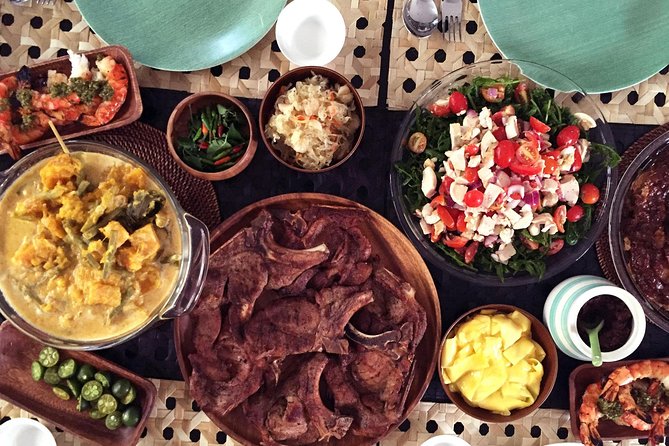
REVIEW · COOKING CLASSES
Private Filipino cooking class in a local Manila Home
Spice starts in the garden, not the kitchen. In this private cooking class in a chef’s Manila home, you follow Isi to pick ingredients like calamansi and lemongrass, then cook traditional family recipes with undivided attention. It feels less like a class and more like getting invited into a real Filipino day around the table.
Two things I really like: you get hands-on time if you want it, and you learn the why behind the flavors, not just the steps. The experience is private, so Isi can slow down for your questions, tweak techniques on the fly, and explain ingredients as you use them.
One consideration: this is not a professional cooking school with advanced gear or a formal curriculum. You are in a local home kitchen, so the pacing and setup feel personal and practical, and you should expect a casual, insider experience more than a polished studio setup.
In This Review
- Key highlights you will care about
- A Chef-Hosted Manila Kitchen, Not a Big Group Event
- Meeting in Taguig, Then Following Isi to Her Garden
- Calamansi, Garlic, Chilies, Coconut Milk, Fish Sauce
- Hands-On Cooking or a Demo, You Pick the Style
- The Likely Menu, and What Each Dish Teaches
- Lunch or Dinner at the Table, with Beer Included
- What You Likely Take Home: Recipes, New Skills, and Chili Knowledge
- Price and Value for a 3-Hour Private Session
- Who This Experience Suits Best
- Should You Book This Private Cooking Class?
- FAQ
- How long does the cooking class last?
- Is this tour private?
- Can I choose between cooking hands-on and watching a demonstration?
- Is there a vegetarian option?
- What food and drinks are included?
- Where does the experience start and where does it end?
- Do I need hotel pickup or drop-off?
- What should I wear?
- Is free cancellation available?
Key highlights you will care about
- Garden-to-plate ingredients: calamansi and lemongrass from Isi’s small vegetable garden
- Private, one-on-one teaching: you get Isi’s focus during prep, cooking, and eating
- Choose hands-on or a demo: tell Isi what style you prefer
- Classic Filipino flavors, explained: citrus, garlic, chilies, coconut milk, fish sauce
- A menu that teaches technique: dishes like ensaladang pako, mechado, ginataang kalabasa at sitaw, and more
- Dessert with a personal touch: homemade calamansi pie made by Isi’s best friend Earnest
A Chef-Hosted Manila Kitchen, Not a Big Group Event
This is the kind of tour that makes Manila feel personal fast. Instead of a bus, a show kitchen, and a crowd, you land in Isi’s world: a home chef with over ten years in the food business, from recipe work for dairy companies and restaurants to food styling, photography, and selling spices online.
Isi’s story matters because it shapes how she teaches. She learned a lot from her Nanay (grandmother) by watching fresh lunches and dinners happen day after day, and she now runs Chili Asylum to promote fresh chilies and chili products from Filipino farmers. That background shows when you cook, because the food comes with context, not just instructions.
You also get a small comfort win: you sit down and eat what you made. No rush to the next stop, no searching for a nearby restaurant that might miss the point.
More Cooking Classes in Luzon:
- Manila Filipino Cooking Class: Meryenda Favorites
★ 5.0 · 80 reviews - Private Market Tour and Filipino Cooking Class in Manila with Isi
★ 4.5 · 15 reviews - Private Filipino Cooking Class in the Heart of Manila,Makati City
★ 5.0 · 5 reviews
Meeting in Taguig, Then Following Isi to Her Garden
The experience starts at 10:00 am in Taguig, Metro Manila, and ends back at the meeting point. There is no hotel pickup or drop-off included, so you will want to plan your own ride to Taguig and keep a little buffer for traffic.
Once you meet Isi, the day’s rhythm is simple: start with ingredients, then move to the kitchen. The highlight here is that you will actually go to her small vegetable garden to gather items used in Filipino cooking, including lemongrass and calamansi.
Calamansi is the kind of ingredient that makes Filipino food instantly recognizable. It adds bright acidity, often balanced with sweetness and salt, and it is used across the cuisine. Lemongrass brings a fragrant, citrusy backbone that shows up in many regional flavor profiles. When you pick them yourself, the cooking stops being abstract. You can taste what you just handled.
A small drawback to note: because this is an authentic home experience, you are not in a temperature-controlled studio. If you are sensitive to heat, plan for a warm day and smart casual clothing.
Calamansi, Garlic, Chilies, Coconut Milk, Fish Sauce
Isi’s cooking centers on a flavor set that many first-timers find both familiar and surprising. You will work with flavors like calamansi, garlic, chilies, coconut milk, and fish sauce, and you will learn how Filipino dishes balance them.
Here is what that balance means in real life. Coconut milk softens and rounds sharp flavors, fish sauce adds a salty umami depth, and calamansi brings a clean sour brightness that can wake up rich stews and grilled meats. Chilies show up for heat, but also for aroma, and garlic often acts like a foundation rather than a single punch.
Even if you do not remember every explanation, you will remember the tasting moment. The food is designed around layering flavors, not hiding them. That is the big education win, and it is why people tend to walk away thinking they can cook Filipino food outside of the class.
Hands-On Cooking or a Demo, You Pick the Style
You can choose between a hands-on lesson and a cooking demonstration. If you want to chop, stir, grill, and build dishes yourself, tell Isi that preference. If you learn best by watching first, you can shift into demo mode while she cooks.
Either way, you are not left standing around. A private class means the guide can pace instruction based on what you want to do and what you are comfortable with. The experience also comes with commentary about Filipino culinary culture, so it is not only technique, it is meaning.
Based on the way Isi teaches, you will likely get a lot of small coaching moments, like when to adjust acidity, how to handle aromatics, and why one sauce is built a certain way. In a group class, that kind of correction can get lost. Here, it lands because Isi can see what you are doing.
A few more Luzon trips to compare
- Intramuros Walking Tour: Explore the Manila’s Walled City|Private
★ 5.0 · 9 reviews - Manila Private Walking Tour With A Local Guide (Private Tour)
★ 4.5 · 7 reviews - Private Airport Transfer Manila to Hotel in Manila or vice versa
★ 5.0 · 3 reviews - Coron: Private Boat Hire with Guided Tour and Lunch on Beach
★ 4.9 · 658 reviews
The Likely Menu, and What Each Dish Teaches
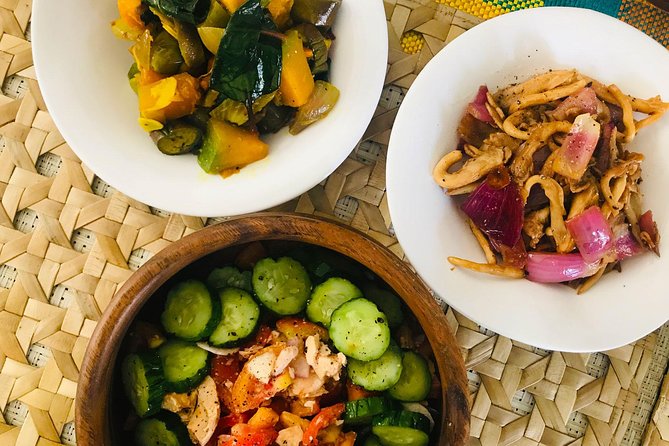
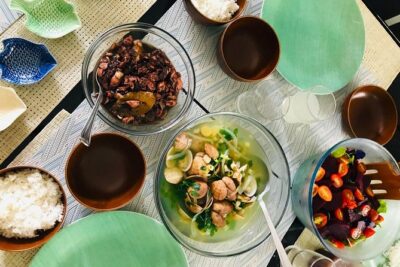
Menus can vary, but the food you might make gives you a well-rounded slice of Filipino cooking styles. You can expect a mix of salads and citrus-forward dishes, coconut stews, grilled items, and rich braises, then a dessert.
Some menu options you may see:
- Ensaladang pako: a local fern salad with a calamansi and raw honey dressing. This teaches sour-sweet balance and how citrus can tame bitterness while keeping freshness.
- Grilled shrimp with cilantro chimichurri: described as an Isi creation. If you like herby, garlicky sauces, this shows how Filipino kitchens can play with familiar techniques while staying local in ingredients and flavor.
- Ginataang kalabasa at sitaw: squash and green beans in a coconut milk stew. This is comfort food structure, built around coconut richness and gentle seasoning.
- Mechado: soy marinated beef cooked in an onion and tomato sauce. This one teaches how Filipino braises lean into tangy, savory sauces, not just dry heat.
- Inihaw na baboy: grilled pork chops. Grilling is where you learn about smoke, timing, and getting meat flavor without drowning it.
- Homemade calamansi pie: made by Isi’s best friend, Earnest. Dessert ends the day with that same citrus brightness, but in a softer, sweeter form.
A practical tip for your own learning: if there is a dish you are most interested in recreating later, pay extra attention to sauce textures and seasoning timing. Filipino dishes often feel simple, but they rely on small shifts, especially when citrus or coconut is involved.
Lunch or Dinner at the Table, with Beer Included
After cooking, the best part is sitting down and eating in the home. The experience is built around that meal, so you are not treating it like an exercise session that ends when the plates stop moving.
Alcoholic beverages are included, and beer is part of the package. That might matter if you want a relaxed, celebratory vibe rather than a strict, sober food tour.
This is also where the cultural piece becomes real. You get commentary while you eat, and you get to taste how the dishes come together as a full set, not isolated recipes. One dish might lead with sour brightness, another with coconut comfort, and another with grilled smokiness. Together, it is a good snapshot of what Filipino meals often aim for, variety plus balance.
What You Likely Take Home: Recipes, New Skills, and Chili Knowledge
You should leave with new recipes and a new friend, in the literal sense that you will have spent the afternoon with someone who cooks daily and loves sharing that craft. Isi’s background in food styling, photography, and selling spices online also suggests she cares about how flavors translate beyond the table.
Isi also collaborates with other chefs and food lovers, and her work with Chili Asylum puts a spotlight on fresh chilies from Filipino farmers. That means you will probably come away paying closer attention to chili types, not treating all heat as the same thing.
If you are thinking about bringing ingredients home, this kind of class is where that plan makes sense. The recipes connect to specific flavors you can recreate, like calamansi brightness, coconut-based stew bodies, and citrus and herb sauce logic. You might not find every exact ingredient easily, but you will know what to substitute and why.
Price and Value for a 3-Hour Private Session
At $90 per person for about 3 hours, this is not a budget activity, but it also is not trying to be a big production. For the money, you are paying for a private home setting, Isi’s time and expertise, ingredient picking, cooking instruction, lunch or dinner, and beer.
Here is how I think about value for this tour:
- You get private attention, which can cut the frustration factor of learning something new.
- You get a full meal, not just bites or samples.
- You get ingredient education at the source, including the small garden ingredient harvest.
Also, the pricing includes all taxes, fees, and handling charges, plus gratuities. That helps you avoid the awkward moment at the end when you have to guess what the total should be. You also get mobile ticket convenience, and there are group discounts, which makes it easier to split the cost if you are coming with friends.
If you are only interested in eating Filipino food and not learning how it works, you might find cheaper ways to do that. But if you want repeatable skills and a personal connection to the cuisine, $90 starts to feel fair fast.
Who This Experience Suits Best
This class is a strong fit if you want authentic Filipino food culture without the tourist buffet feel. It is ideal for:
- Couples or small groups who want private instruction
- Food lovers who enjoy home-style cooking and want to learn techniques, not only recipes
- Anyone curious about how flavors like calamansi and coconut milk work together
- Vegetarians who want to plan ahead, since a vegetarian option is available if you advise at booking
If you are traveling with dietary needs, you should send those in at the time of booking. The class can accommodate a vegetarian option, and there is a note to advise any specific dietary requirements.
Should You Book This Private Cooking Class?
Yes, I would book it if you want a real Manila home meal where you learn why Filipino cooking tastes the way it does. Isi’s setup is personal, her background is practical, and the garden-to-kitchen flow gives you a clear story behind the food.
Skip it only if you specifically want a polished, professional cooking-school format with lots of standardized gear and a classroom feel. This is a home kitchen, guided by a working chef who grew up cooking with her Nanay, then built her professional food career.
If you are the type of traveler who enjoys conversations, hands-on prep when possible, and leaving with usable recipes, this one makes sense. The best sign is the consistently high rating and the fact that people come away talking about how much personal attention Isi gives during the cooking and the meal.
FAQ
How long does the cooking class last?
The class is approximately 3 hours.
Is this tour private?
Yes. It is a private tour/activity, and only your group participates.
Can I choose between cooking hands-on and watching a demonstration?
Yes. You can choose between a hands-on lesson and a cooking demonstration. Tell Isi your preference.
Is there a vegetarian option?
Yes. A vegetarian option is available. You should advise at the time of booking.
What food and drinks are included?
Lunch or dinner is included, and beer is included as well.
Where does the experience start and where does it end?
It starts in Taguig, Metro Manila, Philippines at 10:00 am, and it ends back at the meeting point.
Do I need hotel pickup or drop-off?
No. Hotel pickup and drop-off are not included.
What should I wear?
The dress code is smart casual.
Is free cancellation available?
Yes, free cancellation is available. You can cancel up to 24 hours in advance for a full refund.
Freshly added in Luzon
- Skip the Line: Villa Escudero Plantation & Resort Day Pass Ticket★ 4.5 · 11 reviews
- Intramuros Walking Tour: Explore the Manila’s Walled City|Private★ 5.0 · 9 reviews
- Villa Escudero Tour with Lunch From Manila (SHARED)★ 5.0 · 5 reviews
- The Jeepney & Tuk Tuk Adventure ride with Local Guide★ 4.5 · 4 reviews
- Private Filipino Cooking Class in the Heart of Manila,Makati City★ 5.0 · 5 reviews
- Villa Escudero Coconut Plantation Day Trip from Manila★ 3.5 · 9 reviews
- VILLA ESCUDERO DAY TOUR with Carabao Cart Ride and Bamboo from Manila★ 4.0 · 6 reviews
- Angeles City / Clark Airport to La Union (Bauang, San Fernando, San Juan)★ 3.5 · 4 reviews
Cooking Classes, compared.
Manila Filipino Cooking Class: Meryenda Favorites
Read our review →
Private Market Tour and Filipino Cooking Class in Manila with Isi
Read our review →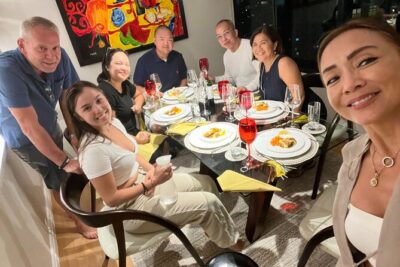
Private Filipino Cooking Class in the Heart of Manila,Makati City
Read our review →
Browse the lists this tour appears in