
REVIEW · SHOPPING TOURS
Explore Manila Slums and Hidden Market
Tondo can be intense, in a good way. This 2 hour Manila slums and hidden market walk pulls you into everyday Filipino life through old districts and local transport, guided by people who know the streets, not just the sights. I love that it is led by local experts like Venus and Floyd, so you get context for what you see, plus real human stories that make the neighborhood feel understandable.
My second favorite part is the mix of places that show different levels of daily life, from wet markets to local housing areas, then onward to Chinatown and older market streets. You also get real movement through the city using a tricycle and a jeepney, which helps the whole experience feel practical rather than like a lecture. One drawback to consider: you should go in with an open mind, because this is a slum tour. It is not polished, and it can feel emotionally heavy, even when the guide keeps the tone educational and respectful.
In This Review
- Quick highlights before you go
- Why Tondo and Old Manila feel different from a typical city tour
- Meeting at Tutuban Center and why the start matters
- Tricycle and jeepney time: how local transport turns a walk into a city lesson
- Walking through housing estates: respect first, curiosity second, comfort always
- Wet market stop: the fastest way to understand local shopping habits
- Farmers market and Divisoria area time: how old market streets still run the city
- Chinatown and street food moments: where stories connect across communities
- The “hidden market” add-on: fruit, groceries, and local snacking culture
- What makes the guides so important (Venus and Floyd are a big reason to book)
- Price and value: $65 for 2 hours is about access, not just time
- Who this tour suits best, and who should think twice
- Should you book? My practical recommendation
- FAQ
- How long is the tour?
- How much does the tour cost?
- What size is the group?
- What language is the tour guide?
- Where do I meet the guide?
- What transportation is included?
- Is there street food or tastings?
- Is it safe to do?
Quick highlights before you go
- Local guides with street credibility, including Venus and Floyd from recent groups
- Wet market visuals up close, with a chance to see how people shop day to day
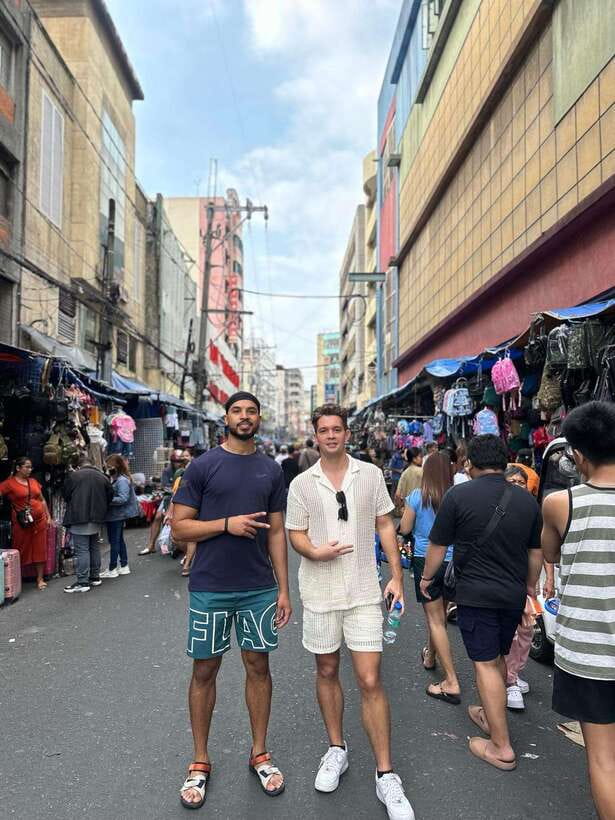
- Old Manila areas plus Chinatown, including time around Divisoria and older market streets
- Real city rides using tricycle and jeepney, not just walking for the sake of it
- Food stops and treats like bao, plus drink and other tastings mentioned in recent reviews
Why Tondo and Old Manila feel different from a typical city tour
If Manila is your first big city stop in the Philippines, it is tempting to aim for the easy wins: viewpoints, malls, and the familiar highlights. This experience goes the other direction, into Tondo, one of Manila’s oldest and most strongly community-driven districts. You are not just looking at buildings. You are seeing how people organize daily life when space is tight, resources are shared, and survival depends on cooperation.
The tour’s value comes from how it reframes the idea of “slums.” With a guide who knows the neighborhood well, the focus shifts to resilience, practical solutions, and community spirit. That matters because without context, visitors can accidentally turn the whole thing into voyeurism. The best part here is that you are walking with someone local who explains what you are seeing and why it exists.
You will also connect this side of Manila with other older areas, like parts of Chinatown and older market zones. That contrast is useful. It helps you understand the city as a whole, not as separate photo spots that never touch each other.
More Market Tours in Manila:
- Manila: Guided Night Market Experience
★ 5.0 · 54 reviews - Manila’s Culinary Expedition: The Ultimate Food and Market Tour
★ 5.0 · 42 reviews - Manila Street food and Night Market Tour
★ 4.7 · 21 reviews
Meeting at Tutuban Center and why the start matters
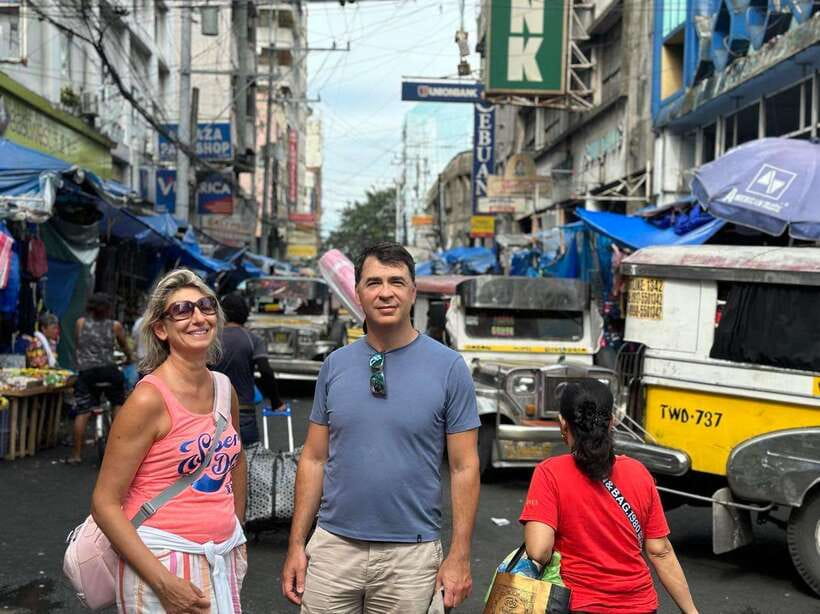
Your meeting point is at Tutuban Center Mall, near the Bonifacio Monument, beside the Lawson Convenience Store. That location is handy because it is easy to find and it sets you up for the transport element right away.
This tour runs about 2 hours total, in a small group limited to 10. For me, that size is a sweet spot. You can ask questions, you can keep moving through narrow areas without getting stretched into a huge crowd, and your guide can adjust the pace when streets get busy.
Because you are starting near a transit hub, the first leg is also a reality check. You quickly shift from tourist time to local time. The goal is not speed. It is seeing Manila at the pace people live it.
Tricycle and jeepney time: how local transport turns a walk into a city lesson
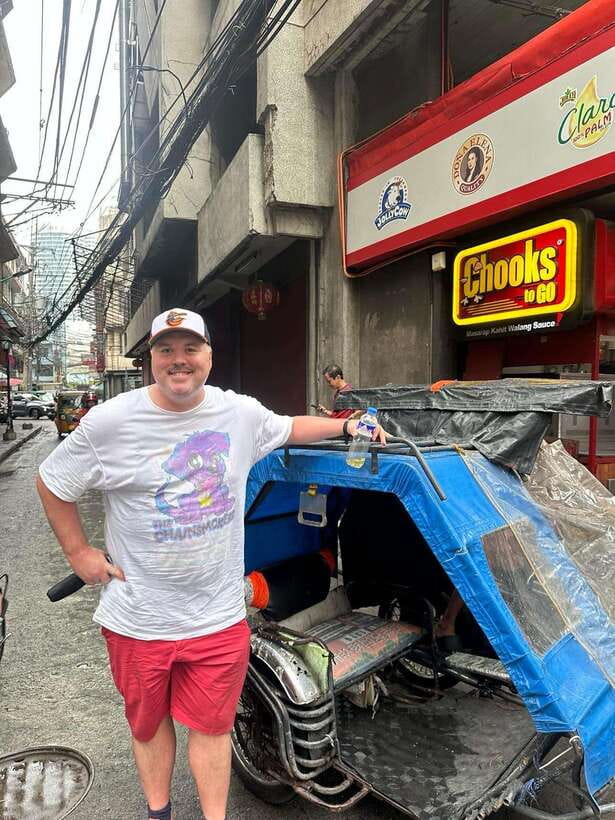
A lot of tours say they are about “local culture,” then hand you a bus and call it a day. Here, the transport is part of the story. You’ll ride a tricycle and a jeepney with your guide.
Those rides do two things for you. First, they get you physically closer to how Manila moves. The turns, the crowding, and the constant motion help you understand why street life looks the way it does. Second, the rides break the walking into manageable chunks. In 2 hours, that balance keeps you from burning out before you reach the market and Chinatown parts.
One review also mentioned a tuk-tuk ride to a hidden market selling fruits and groceries. That lines up with the overall style of the tour: getting you to everyday places, then switching transport modes when it helps you reach the next angle of local life. You should expect some variation depending on the route and current conditions.
Walking through housing estates: respect first, curiosity second, comfort always
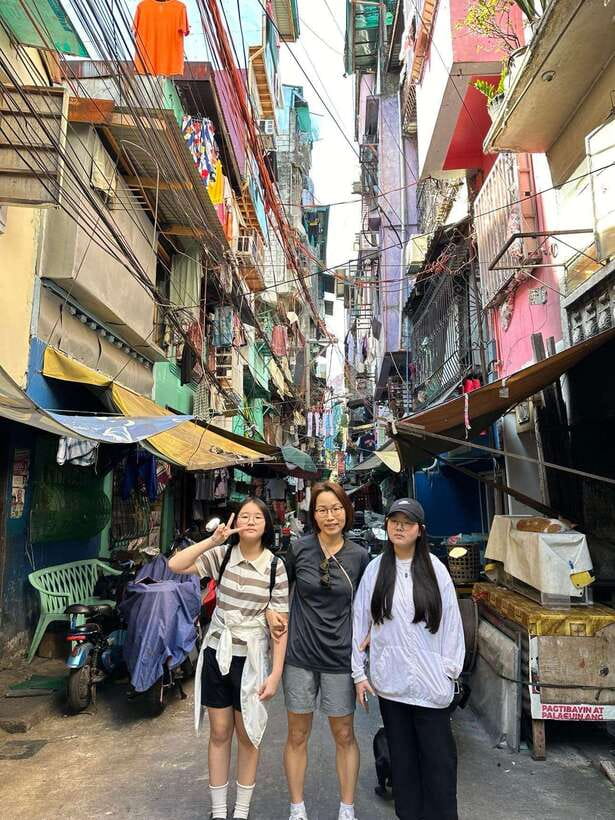
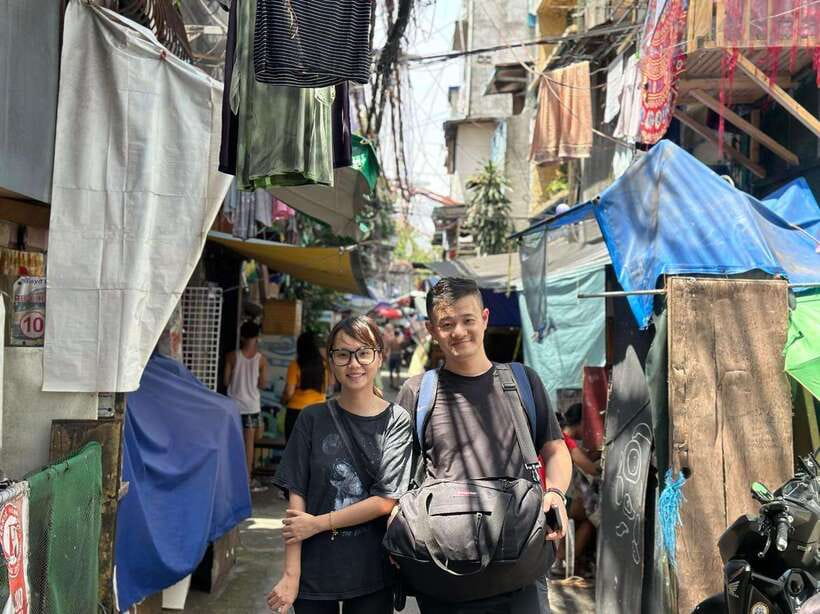
The heart of this experience is the walk through Tondo’s residential areas. You will see everyday housing and how families set up life in tight spaces. This is where the guide’s role becomes crucial. A great guide helps you avoid staring, and instead helps you look with understanding.
Recent experiences highlight that the mood stays welcoming. People you pass are going about their day, and many respond positively to respectful visitors. You may even get moments where children chat, wave, or look curious, which can be sweet and memorable in a way that still feels dignified.
I also like that the tour is designed to be educational, not a spectacle. Reviews specifically mention that the approach felt educational rather than voyeuristic. That is the difference between “seeing poverty” and learning how communities function.
Practical tip: dress comfortably and keep your body language calm. If you treat the neighborhood like a classroom, you will get more out of it, and you will make the locals around you feel more comfortable too.
More Shopping Tours in Manila:
- Tagaytay Adventure: Volcano Views, Countryside, Market & Cruise!
★ 4.5 · 14 reviews - Manila Night Market with Local Guide
★ 4.7 · 12 reviews - Cebu City: Half-Day Tour with Shopping
★ 4.8 · 36 reviews - Private Market Tour and Filipino Cooking Class in Manila with Isi
★ 4.5 · 15 reviews
Wet market stop: the fastest way to understand local shopping habits
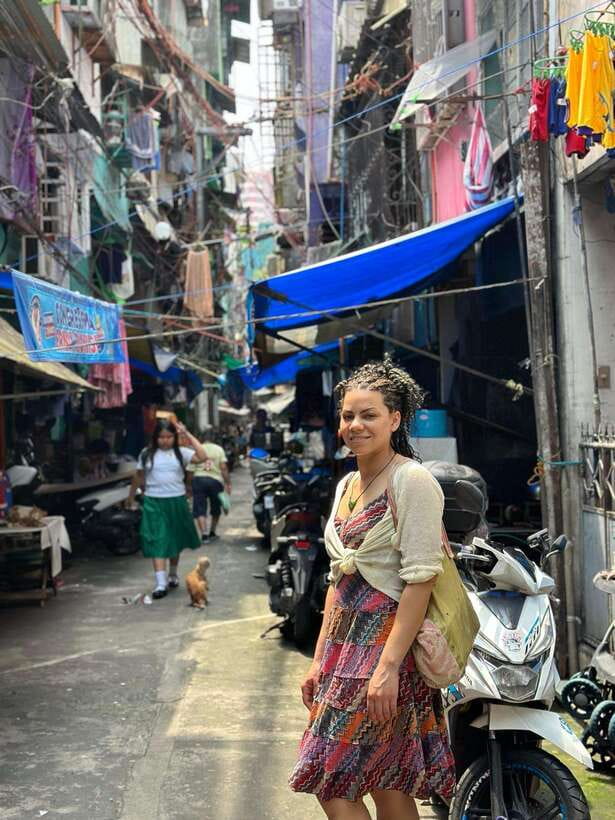
You will visit a wet market, and it is one of the standout moments. People described it as an incredible visual experience, which makes sense. Wet markets in Manila are not quiet little stores. They are active, colorful, and intensely practical, built around what people need right now.
For you, this is where the tour earns its keep. You get to see what “local life” means in terms of food and daily buying habits, not just in terms of buildings and street scenes. You also get a sensory layer: smells, sounds, and the hustle of bargaining and selecting produce.
If you are the kind of traveler who likes to understand how a city eats, you’ll appreciate this part. The wet market stop turns your trip into something you can recall later, like a vivid snapshot of routine.
Also, it is a good moment to ask questions. Food choices, portion sizes, and seasonal availability come up naturally when your guide is standing in the middle of how people shop.
Farmers market and Divisoria area time: how old market streets still run the city
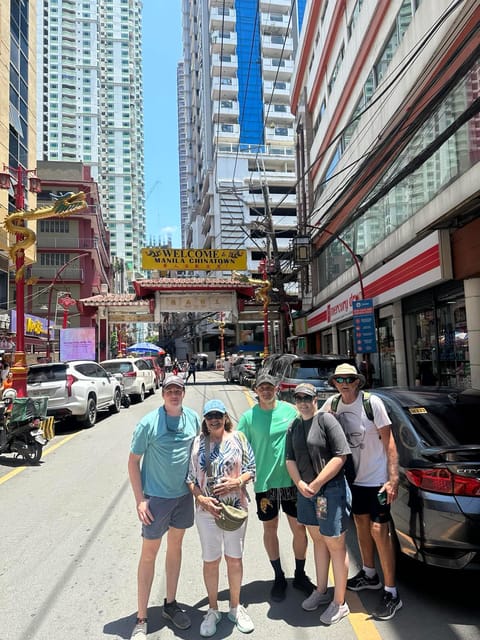
The tour includes older market areas often associated with Divisoria and farmers market type stops. Even if you are not a market shopper, these streets show another layer of Manila: the logistics of everyday supply.
Divisoria is known for being a place where goods move fast and buyers come with real intent. The farmers market style areas you might pass through add context for where those supplies come from and how local sourcing shapes what you see.
This section works well after the wet market stop. You start noticing patterns: how people cluster around certain items, how they compare quality, and how quickly goods shift from one stall to the next. Instead of feeling like you are wandering, you are learning the city’s supply chain at human scale.
Chinatown and street food moments: where stories connect across communities
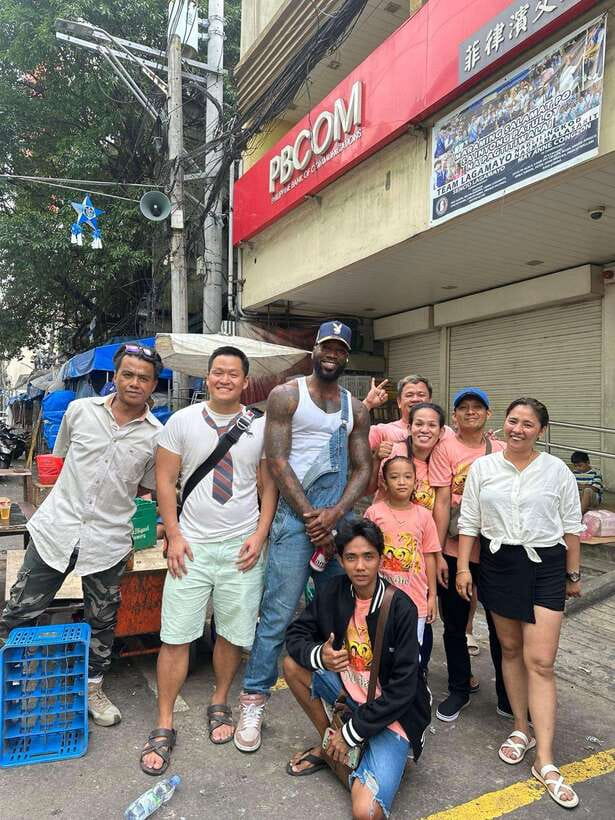
The tour reaches Chinatown, described as one of the oldest in the city. This is where you see Manila’s cultural layering. Chinatown is not just a place to eat. It is a lived community, with its own rhythms and food culture that blends with the city around it.
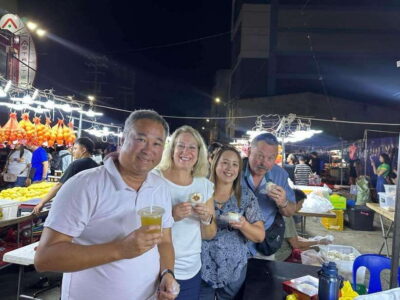
Food here is part of the experience, and recent reviews mention specific favorites like egg tarts, plus other stops for tasty bites. One review even called out bao and other treats at the end.
A simple way to approach this part: follow your guide’s lead on what to try. You do not need to overthink it. Your guide knows what works for visitors, and more importantly, what locals actually eat and buy.
The “hidden market” add-on: fruit, groceries, and local snacking culture

Several recent experiences included a move to a hidden style market where you can find fruits, groceries, and local food. One review specifically mentioned going there and highlighted the chance to see local snacks and produce up close.
This part feels like the payoff for the morning or afternoon build-up. After wet markets, residential walks, and older market streets, the hidden market gives you a more focused slice of everyday buying and eating. It is practical fun, not just sightseeing.
If you are someone who loves photography, this segment gives you great scenes. If you are more introverted, it still works because the focus is on food and daily shopping, which people understand and talk about easily.
What makes the guides so important (Venus and Floyd are a big reason to book)
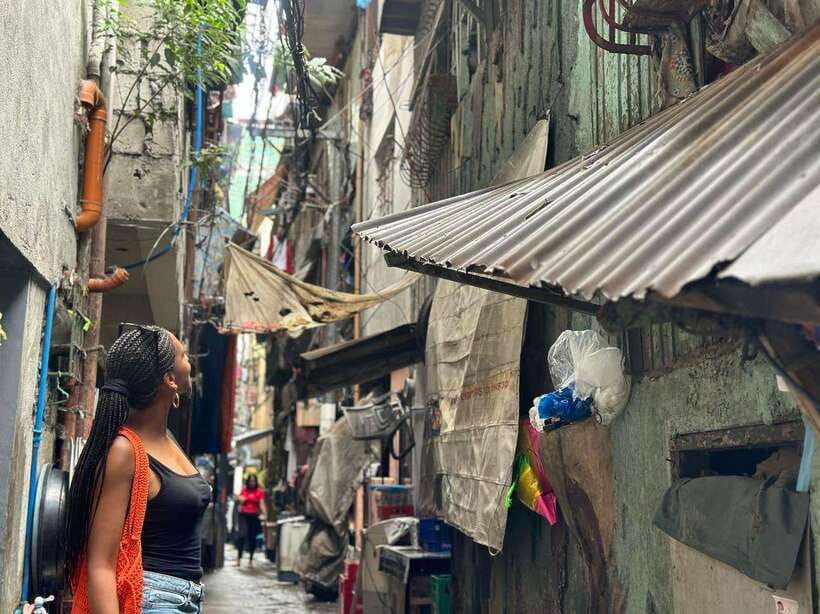
This is the kind of tour where the guide is the product. Recent reviews repeatedly praise guides who bring energy and clarity, including Venus and Floyd.
- Venus is described as kind, energetic, and very fun to explore with, sharing knowledge in a way that felt like traveling with a friend.
- Floyd is praised for having street credibility and community respect, with one review describing his background as someone trained in serious fields and born and raised in the same slums he guides visitors through.
Even beyond those specific names, the consistent thread is that you feel safe because the guide understands the neighborhood. One review even mentions they did not feel unsafe at any point. That does not mean you ignore common sense, but it does mean your route and your behavior are guided in a thoughtful way.
If you want a tour that is more about understanding than photographing, pick a day you can stay present and ask questions. Your guide will do the heavy lifting.
Price and value: $65 for 2 hours is about access, not just time
At $65 per person for 2 hours, this tour may look like a small chunk of money compared to longer day tours. But the value comes from three things you actually get here:
- Expert local guidance with English delivery and enough time for explanations.
- Transportation included via tricycle and jeepney, which also helps you avoid spending your own time navigating transit.
- Access to everyday places like wet markets and local housing areas, where you would not get the same level of understanding on your own.
You are basically paying for a shortcut to the city as lived reality. That is what makes it feel worth it for many people who already did the classic sights in Manila.
Who this tour suits best, and who should think twice
This is a strong fit if you:
- want to understand Manila beyond postcards
- enjoy markets and street food culture
- like tours where questions are encouraged
- travel with a mindset of learning and respect
It might be less ideal if you:
- want a soft, scenic, low-stimulation tour
- dislike emotionally heavy topics related to poverty and housing challenges
- prefer fully polished tourist environments
The tour itself is guided in English and limited to 10 people, which helps it feel manageable. But the setting is still real. That is part of the point.
Should you book? My practical recommendation
Book it if you are open to seeing a side of Manila that most visitors skip, and if you want real context from a local guide who can explain what you’re looking at while keeping things respectful. The combination of Tondo, wet markets, older market streets, Chinatown, and real rides like jeepney and tricycle gives you a lot of city in a short time.
Skip it if you only want comfortable, low-emotion sightseeing. This tour can be eye-opening, and that can be challenging if you are not in the right headspace.
If you do book, go with a calm attitude, wear comfortable shoes, and plan to ask at least a couple of questions. That is how you turn a walk into understanding.
FAQ
How long is the tour?
It lasts 2 hours.
How much does the tour cost?
The price is listed as $65 per person.
What size is the group?
The tour is small group with a maximum of 10 participants.
What language is the tour guide?
The live tour guide speaks English.
Where do I meet the guide?
Meet at Tutuban Center Mall, near the Bonifacio Monument, close to the Lawson Convenience Store.
What transportation is included?
The tour includes a tricycle ride and a jeepney ride.
Is there street food or tastings?
The experience includes walking through markets and trying local street food, and recent experiences also mention tastings and treats like bao.
Is it safe to do?
Recent experiences say they felt safe during the walk and transport, especially thanks to having a local guide leading the way.
Freshly added in Manila
- Underground River with Lunch★ 3.6 · 5 reviews
- Unforgettable Manila Fishing Village Day Excursion 2024★ 5.0 · 4 reviews
- Tagaytay Adventure: Volcano Views, Countryside, Market & Cruise!★ 4.5 · 14 reviews
- 3 Days Private Tour in Banaue Ifugao visiting Batad Rice Terraces★ 3.5 · 3 reviews
- Tagaytay + Hidden Valley Springs: A Scenic Escape w/ Transfers★ 4.0 · 4 reviews
- Tagaytay Day Tour sightseeing with Panoramic Taal volcano view★ 5.0 · 6 reviews
- Cultural Dinner and Show in Manila★ 5.0 · 4 reviews
- indigenous Forest experience Manila 2023★ 5.0 · 4 reviews
Shopping Tours, compared.
Manila’s Culinary Expedition: The Ultimate Food and Market Tour
Read our review →
Private Market Tour and Filipino Cooking Class in Manila with Isi
Read our review →
Tagaytay Adventure: Volcano Views, Countryside, Market & Cruise!
Read our review →
Browse the lists this tour appears in