
REVIEW · FREEDIVING & DIVE COURSES
Discovery Freediving Program
First breath-hold day, best kind. The Discovery Freediving Program in Panglao turns a new skill into a full, coached experience on one beautiful island schedule. I like how the day is structured, starting with theory and finishing with an open-water session in the morning, not some vague promise to figure it out later. I also like the people behind it, with coaches and safety divers who help you stay calm and efficient, including instructors like Joshua, Alroy, Debora, Daniel, and Joe mentioned in past training stories.
One thing to consider: freediving starts with body skills you build over time, and if equalization is a weak spot for you, you will likely want extra practice after the day ends.
In This Review
- Key Highlights You Can Plan Around
- Why Panglao is a smart classroom for breath-hold skills
- Getting the morning right: yoga, theory, and a real start time
- Pool training at 10:00 AM: where confidence gets built
- The open-water session at 11:00 AM, plus a fun underwater finish
- Marine life expectations: what you might see around Bohol
- Gear and safety: why good equipment changes the learning curve
- Coaching that keeps you calm: Joshua, Alroy, Debora, and more
- Photos, video, and the value of reviewing your session
- Price and value: what $70 buys you in real terms
- Who should book this day (and who might wait a bit)
- FAQ
- What does the Discovery Freediving Program cost?
- How long is the program?
- Where do I meet for the session?
- What time does it start?
- Is yoga part of the program?
- What is the maximum group size?
- Will my open-water session be recorded?
- Can I cancel and get a full refund?
- Should you book Blue Freedom Apnea’s Discovery Freediving Program?
Key Highlights You Can Plan Around
- Small group limit (max 10) means you get more hands-on attention during pool and open-water work.
- Optional yoga before training can help you settle your breathing before breath-hold practice starts.
- A clear progression from theory (9:00 AM) to pool (10:00 AM) to open sea (11:00 AM) helps beginners feel guided, not thrown in.
- Coaching names like Joshua and Alroy show up again and again for patient, confidence-boosting instruction.
- Underwater recording plus free photos and videos give you something to review and share, not just memories.
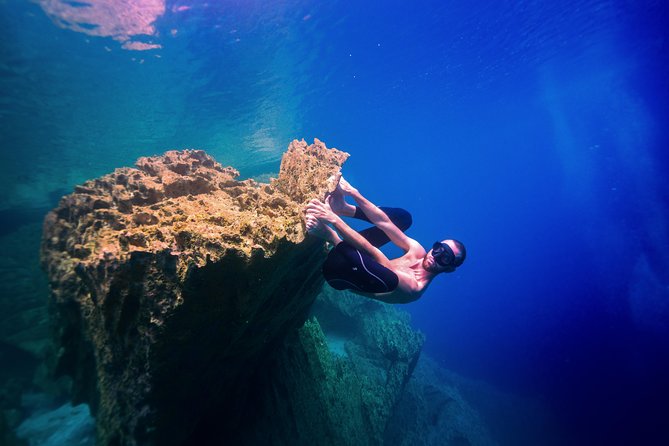
- Panglao and Bohol marine life sets the mood, with turtles, corals, sardines, and sometimes whale sharks in the wider area.
Why Panglao is a smart classroom for breath-hold skills
Panglao, on Bohol Island, is one of the easiest places in the Philippines to pair training with real underwater scenery. The area is known for colorful coral, turtles, schools of sardines, and occasionally whale sharks. Even when you do not chase the headline animals, the everyday marine life makes practice feel like a reward instead of a chore.
There is also a practical benefit: because the waters off Panglao attract divers year-round, the training model works well for a day plan. You are not building your schedule around long, complicated travel between locations. You show up, learn the fundamentals, get your body comfortable in the pool, and then take those same habits to the open-water setting.
More Dive Courses in Bohol:
- Beginner Freediving Course (with Bonus Session)
★ 5.0 · 18 reviews - Bohol: Discover Scuba Diving – No Experience Needed
★ 5.0 · 4 reviews - WaterColors – Discover Scuba Diving in Boracay
★ 5.0 · 127 reviews
Getting the morning right: yoga, theory, and a real start time
The program begins at 8:30 AM at Panglao Chocolate Hills Hostel & Resort in Libaong, Panglao. If you want the optional yoga session at 7:30 AM, plan to arrive early so you do not feel rushed. Even if you skip yoga, you still get a structured start, which matters for freediving because calm focus beats forced effort.
The day’s first big learning block is freediving basics at 9:00 AM, a theory class that keeps things simple and fun. The point is not to drown you in jargon. It is to help you understand what you are doing, why your breathing and relaxation matter, and what your instructor expects from you during the session.
If you learn best when you can connect steps to outcomes, this theory-to-water sequence is a big win. You go into the pool session knowing what you are practicing, not just memorizing commands.
Pool training at 10:00 AM: where confidence gets built
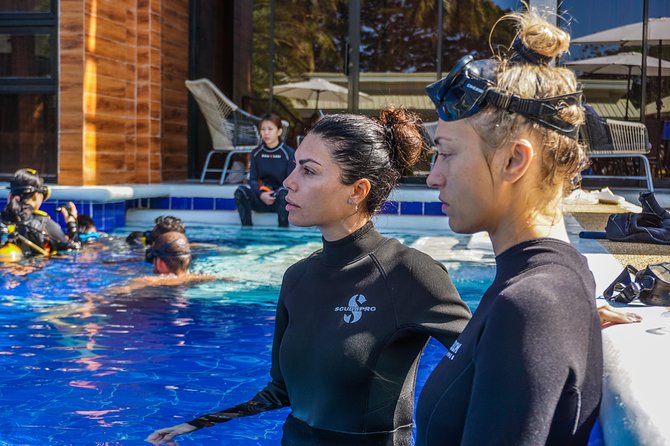
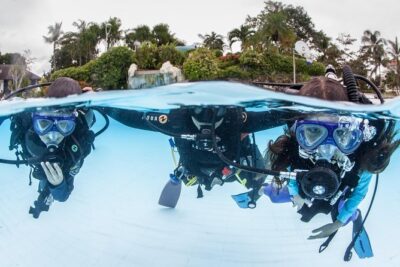
At 10:00 AM, you head into pool training to get comfortable with freediving gear and essential techniques. For most first-timers, this is the most valuable part of the day because it lowers the stakes. Water is still water, but the environment is controlled enough for mistakes to be fixable fast.
This is also where the coaching style shows. Past learners highlighted instructors turning panic into calm and focusing on breath-hold technique that feels more relaxed, not more scary. Coaches like Joshua and Alroy are specifically praised for patient guidance and confidence building.
What I love about this step is that it targets two common beginner problems:
- Breath-hold feels harder in open water because you panic or tense up.
- Equalization becomes a stress point when you rush or forget to stay relaxed.
In the pool, you practice with support, so when you step into open water later, you can rely on your body memory.
The open-water session at 11:00 AM, plus a fun underwater finish
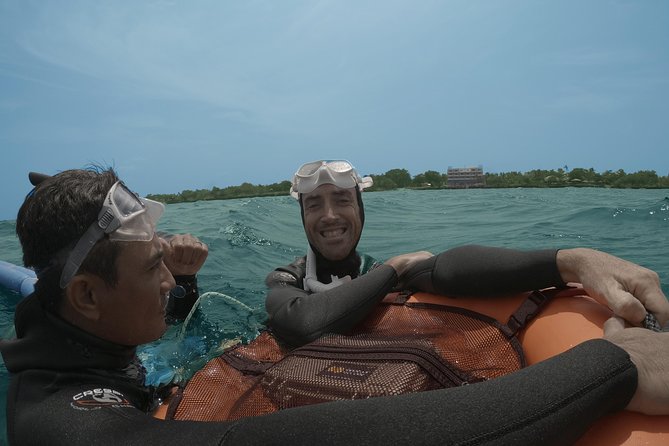
The open sea adventure starts at 11:00 AM. This is where you take the basics you practiced and apply them in a natural setting. The program is designed for both beginners and those with snorkel experience, so the goal is learning and safe progression, not trying to beat anyone’s depth record.
You should expect a mix of underwater activities, including breath-hold practice and a more relaxed finish. The program description mentions a fun underwater session at the end. That part matters more than it sounds. If your day ends with something enjoyable, you leave with motivation to keep training, not just fatigue.
Two training details to plan for:
- Your open-water session will be recorded, so there is a chance to review what you did and how your body moved.
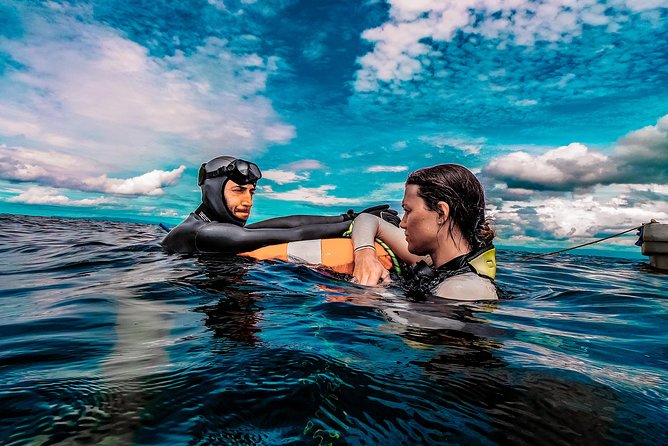
- You will be accompanied by instructors and safety divers, which is the right approach for a first breath-hold experience.
A different kind of day in the islands:
- Bohol: Premium Chocolate Hills, Tarsiers & River Experience
★ 4.7 · 804 reviews - Bohol: Boat Tour to Sandbar and Snorkeling with Turtles
★ 4.3 · 186 reviews - Bohol: Chocolate Hills and Countryside Tour
★ 4.6 · 175 reviews - Bohol: Dolphin Watching & Sea Turtle Swim Island Tour
★ 4.2 · 159 reviews
Marine life expectations: what you might see around Bohol
Bohol is famous for marine biodiversity, and the training program is positioned in the right region for underwater variety. You can hope for colorful corals and friendly turtles. Schools of sardines show up in the area too, which can make your practice feel like a wildlife encounter rather than a skills exercise.
A whale shark is mentioned as an occasional possibility in the broader region. That said, do not plan your day around a guarantee. Think of whale sharks as a bonus if conditions and luck line up, while turtles and smaller reef life are the steadier draw.
If you want the best experience here, treat the marine life as a background reward for good technique. Relaxation and consistent equalization habits usually lead to better underwater time, which means you get more chances to notice the scenery.
Gear and safety: why good equipment changes the learning curve
Blue Freedom Apnea emphasizes great gear and safety-focused coaching. That is not marketing fluff. For beginners, equipment fit and condition can make technique feel easier or harder. If fins are wrong for your style or you do not feel secure in what you wear, you will spend your energy fighting discomfort instead of learning.
Past experiences also point to full gear sets being provided, which is a huge value in a place where buying your own equipment for one day would be pointless. When gear is included, your money goes into coaching and time in the water, not last-minute rental shopping.
Safety divers and instructors are part of the structure. Multiple learners mention professional instructors paired with safety support during sessions. That combination is what helps you focus on learning. It also helps you stay calm when things feel new.
Coaching that keeps you calm: Joshua, Alroy, Debora, and more
One theme shows up strongly in the training stories: the team helps people feel at ease. Beginners especially mention confidence and calmness under guidance, and instructors like Joshua and Alroy come up repeatedly for supportive teaching.
Debora is mentioned for helping learners with breath-hold technique. Daniel and Joe are referenced in the context of higher-level freediving courses, including AIDA and Molchanovs wave training, showing that the school supports structured progression beyond the discovery day.
If you are the type who needs clear cues and reassurance, this matters. Freediving is physical, but the head part is half the battle. When a coach helps you slow down mentally, your equalization and fin efficiency tend to improve because you stop tensing.
Photos, video, and the value of reviewing your session
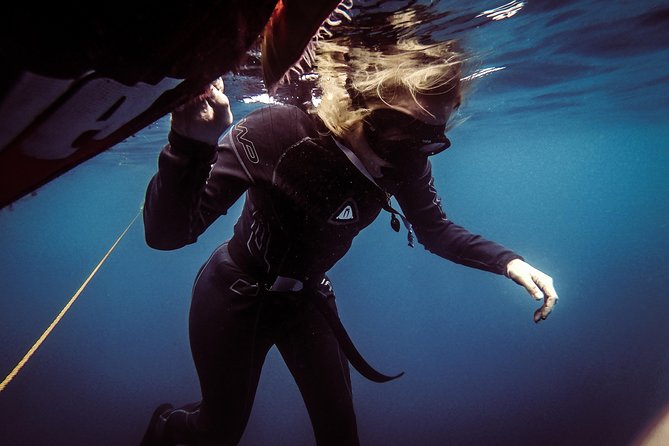
A big part of why this program feels like more than a one-day tryout is the media. The open-water session is recorded, and learners also report free photos and videos underwater. That is a practical gift.
Why? Because freediving technique is hard to sense in real time. You can feel tense, you can think you are balanced, and still watch later and realize what your body actually did. A recording lets you connect theory with your own movement.
You also may find a helpful production detail: one learner specifically praised a shooter who retakes shots if the first attempt does not land. That means you are not just performing for one-second photos. You are given a chance to get something you will actually want to keep.
Price and value: what $70 buys you in real terms
At $70 per person, this Discovery Freediving Program is priced as an accessible entry point. But the real value is in what you get for that day:
- Theory training so you know what to practice
- Pool session for gear comfort and core techniques
- Open-water session with coaching support
- Open-water recording
- Free underwater photos and videos (as reported by past learners)
- Top-quality gear provided for the training day
When you spread that across a full day of instruction, equipment support, and recorded media, it becomes less like a single activity and more like a guided skills workshop.
One more value angle: the program is structured for a group size of up to 10. Smaller groups tend to improve attention, and attention is what turns “I tried it” into “I learned something useful.”
Who should book this day (and who might wait a bit)
This program fits best if you are:
- A beginner to breath-hold training who wants real steps
- A snorkeler who wants to progress safely
- Someone who benefits from coaching cues and safety structure
- You want underwater scenery around Panglao and Bohol while learning
It may feel like too much if you arrive with serious anxiety about breath-hold. Even though the coaching aims to keep you calm, freediving is still a body and breath challenge. Plan to take it slow, listen closely, and remember that it is okay to build confidence gradually.
Also, if you struggle with equalization, treat that as part of the learning journey. One learner noted they needed more practice with equalization. That is normal. You leave with a baseline and you keep improving afterward.
FAQ
What does the Discovery Freediving Program cost?
It costs $70.00 per person.
How long is the program?
It runs for about 1 day.
Where do I meet for the session?
The meeting point is Panglao Chocolate Hills Hostel & Resort, Libaong, Panglao, Bohol, Philippines.
What time does it start?
The start time is 8:30 AM.
Is yoga part of the program?
Yoga is listed as optional. The optional yoga session is at 7:30 AM.
What is the maximum group size?
The program has a maximum of 10 travelers.
Will my open-water session be recorded?
Yes. Your open-water session is recorded.
Can I cancel and get a full refund?
Yes, you can cancel up to 24 hours in advance for a full refund.
Should you book Blue Freedom Apnea’s Discovery Freediving Program?
Yes, if you want a guided first freediving day that is built around learning, not guesswork. The combination of theory, pool practice, and open-water training in one schedule makes it easier to progress. Add in the small-group feel, safety support, and the fact that your open-water time is recorded with free underwater media, and this feels like a strong value for $70.
Book it especially if you like clear coaching and you want to leave with usable skills you can keep practicing. If you already know equalization is your weak spot, show up ready to practice, stay calm, and expect improvement to come day by day.
Freshly added in Bohol
- Bohol Whaleharks Interaction & Bohol Countryside Tour with Lunch (Cebu or Bohol)★ 3.5 · 6 reviews
- Kalanggaman Island Day Tour Package from Cebu City or Mactan★ 3.0 · 6 reviews
- Kawasan Canyoneering Adventure Package from Cebu★ 5.0 · 11 reviews
- Kawasan Falls and Mantayupan Falls in One Day from Cebu★ 5.0 · 5 reviews
- Bohol: Island Hopping★ 4.0 · 8 reviews
- 2025 Tarsier, Waterfalls & Chocolate Hills Tour★ 5.0 · 3 reviews
- Full Day Private Tour with ATV riding at Chocolate Hills★ 4.5 · 6 reviews
- Exclusive Bohol,Philippines Chocolate Hills-Tarsier Tour★ 4.5 · 5 reviews
Freediving & Dive Courses, compared.
WaterColors – Open Water Diver Certification in Boracay
Read our review →
El Nido: Discover Scuba Diving with Manta Rays in Sibaltan
Read our review →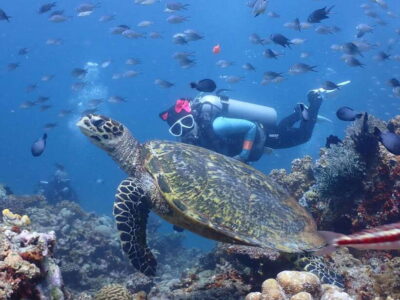
Beginner Freediving Course (with Bonus Session)
Read our review →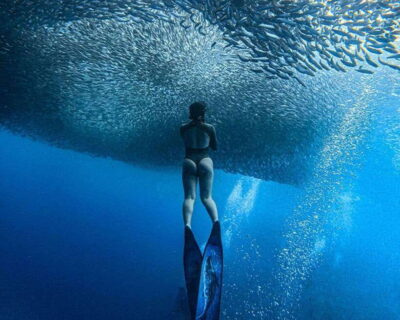
Panglao: Napaling Reef and Sardines Freediving Experience
Read our review →Browse the lists this tour appears in