
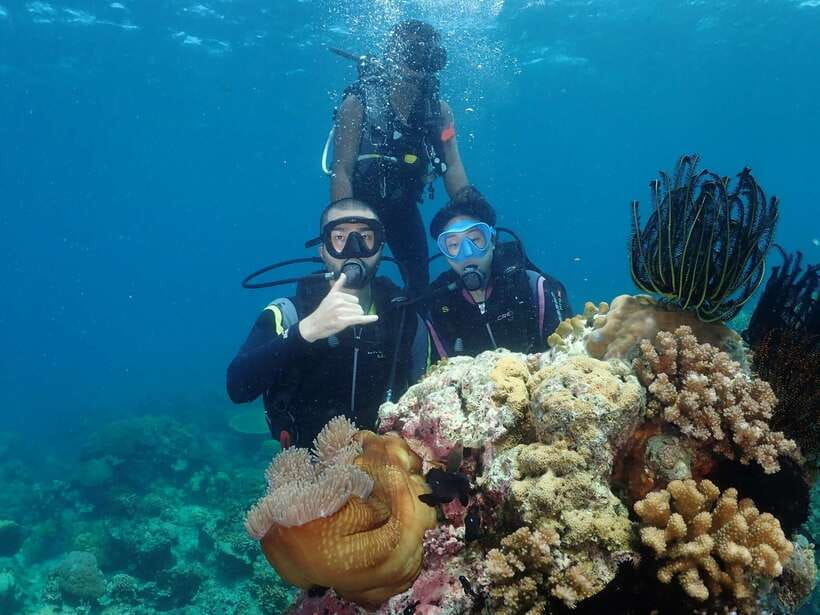
REVIEW · SCUBA DIVING
Boracay: Introduction to Scuba Diving Experience
Your first underwater lesson can feel magical. In Boracay, this beginner-first-timer DSD program turns nerves into skills fast, with close PADI instruction and a comfortable max depth for new explorers. I like how the team talks you through the important stuff before you ever gear up, and how instructors such as Romeo and Roy are praised for staying calm when you are not.
You’ll also get real “I did it” takeaways, including photos/videos and a digital completion certificate. I love that you are not just thrown in with gear, you practice key movements in shallow, controlled water first.
The main drawback to watch for is that photo and video quality can be hit or miss, and the pace can feel quick in some cases. In one report, a guest felt the camera output was weaker than expected and noticed some issues with water entry flow.
In This Review
- Key things to know before you go
- Where this Boracay experience really starts: Astoria Station 1
- The PADI-led briefing: pressure, breathing, and signals you will actually use
- Gear up the easy way: what’s provided and how fit affects comfort
- Shallow-water training near the beach: the skills that make the real session possible
- The boat transfer: a short ride, views from the water, and a beginner-friendly setup
- Your first underwater session: typical 6m for beginners, up to 12m max
- What’s included at the end: photos/videos and your digital certificate
- How long is it, and what does the schedule feel like in real time?
- Price and value at $50: what you get for a beginner-first-timer day
- Who this is best for, and who should skip it
- Should you book this Boracay first-time scuba session?
- FAQ
- Do I need prior scuba certification?
- What time does the experience start, and how long does it take?
- How deep will I go during the underwater portion?
- What scuba equipment is included?
- Are photos/videos and a completion certificate included?
- Where do I meet the guide in Boracay?
- Is hotel pickup or meals included?
- What safety limits should I know before booking?
- Can I cancel and get a full refund?
Key things to know before you go
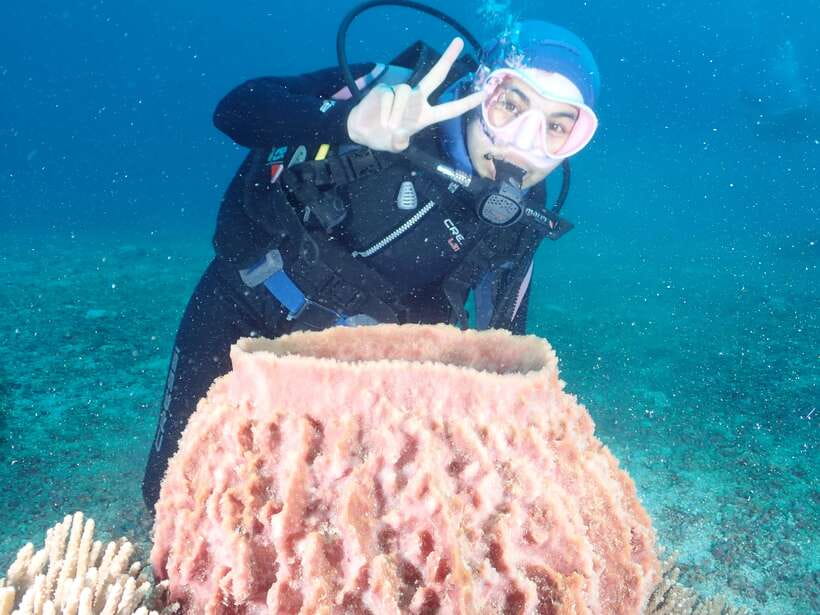
- Small ratios (about 1 guide for every 2 to 4 participants) mean you are not lost in the crowd.
- Theory + practice first, with focus on breathing, equalizing, hand signals, and getting comfortable fast.
- Shallow-water skills near the beach help you clear your mask and regain control if things get tricky.
- Supervised underwater time typically stays around 6 meters, with a stated maximum up to 12 meters.
- Included media (complimentary photos and/or videos) gives you something to remember beyond your own camera roll.
Where this Boracay experience really starts: Astoria Station 1
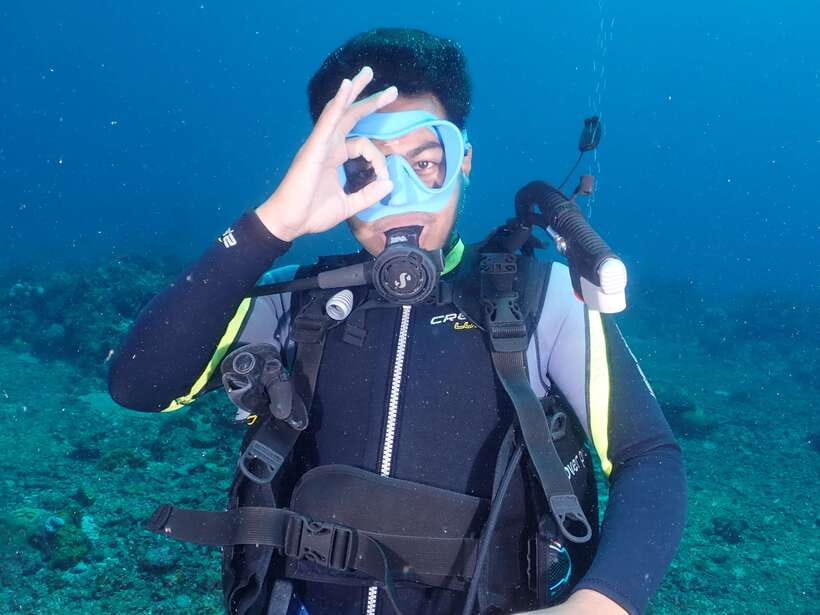
This program is tied to Boracay, and the practical starting point is Astoria Station 1 Beach Front, in front of Tiger Sugar Cafe. You look for a Boracay Adventures guide holding a Get Your Guide sign. That matters because there is no hotel pickup, so you need to get yourself to the meeting spot on time.
One odd detail: the location field lists Catanduanes Province, but the on-the-ground directions clearly point to Boracay. Treat that as a reminder to double-check your confirmation message, then plan around the Astoria Station 1 meeting point.
The provider behind the experience is BORACAY ADVENTURES TRAVEL N TOURS INC. For your planning, that usually signals a local operator that runs regular schedule slots, with the practical meet-up you need to find quickly.
More Scuba Diving in Boracay
- Boracay: Helmet Diving Experience with Photos and Videos
★ 4.7 · 155 reviews - WaterColors – Discover Scuba Diving in Boracay
★ 5.0 · 127 reviews - Boracay: Island Hopping with Crystal Kayak & Helmet Diving
★ 4.6 · 34 reviews
The PADI-led briefing: pressure, breathing, and signals you will actually use
Before you touch the water, you get an orientation session led by a certified PADI instructor. The goal is not to overwhelm you. It is to give you a handful of skills that keep the experience fun and safe.
Here is what you should expect to cover in plain language:
- Breathing underwater through the regulator
- Equalizing pressure, so ears do not feel like they are under attack
- How to use the scuba gear you will wear
- Hand signals for underwater communication
- Key safety rules, and a clear “always follow me” style of guidance
I especially like that the instruction is not vague. In multiple accounts, instructors stress fundamentals early, then keep checking that you are comfortable before anything changes.
Also note the instructor language options: English, Chinese, and Korean. If you do not feel confident with English, this is a real advantage, since communication is where beginner confidence comes from.
Gear up the easy way: what’s provided and how fit affects comfort
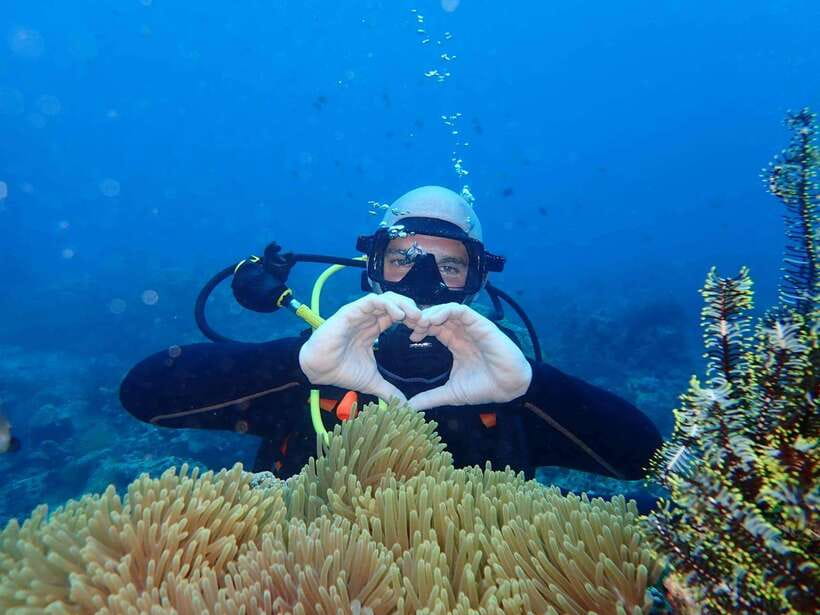
Included gear covers the essentials: mask, fins, wetsuit, regulator, BCD, tank, weights, and even a snorkel. The BCD is the vest that holds the tank, and it matters because beginners often feel better once they understand how buoyancy works.
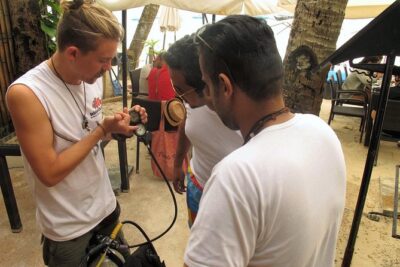
The team helps you put it on and checks fit, which is a big deal for your first time. A mask that sits wrong leads to leaks. Fins that are loose or tight lead to fatigue. And fatigue makes everything harder, including breathing and staying calm.
You should also remember that this is not a “wear it and hope” setup. In reports, instructors make adjustments and stay close, especially when someone is nervous. That is how you get through the first stages without turning the day into a stress test.
Shallow-water training near the beach: the skills that make the real session possible
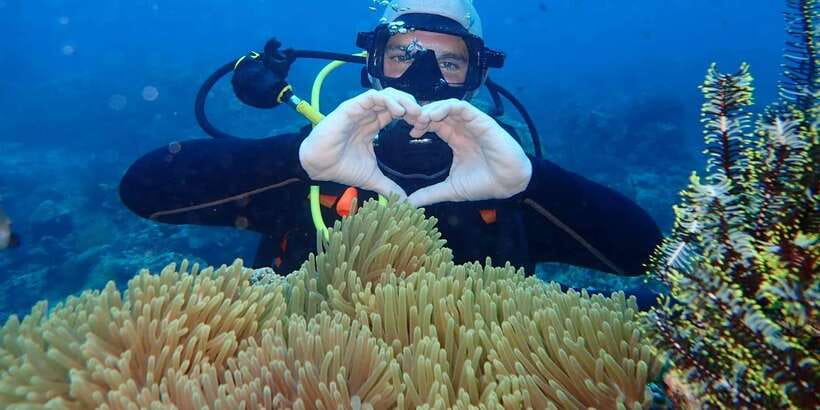
After briefing, you switch into practice in calm, confined shallow water near the beach. Some guests describe this as pool-like, but the point is the same: you train in an environment where you can focus on the basics.
You will practice things like:
- Breathing steadily through the regulator
- Clearing water from your mask
- Regaining your regulator (so you do not panic if it shifts)
This shallow stage is where the best value is hiding. It is not just “getting wet.” It is building muscle memory for tasks that would feel scary if you jumped straight into open water.
One extra practical comfort: you are taught the sequence of what to do, then you do it with the instructor guiding you. Multiple guests mention that instructors stay attentive and check on them underwater. That attention helps you relax sooner.
A different kind of day in the islands:
- Boracay: Island and Beach-Hopping Boat Tour with Snorkeling
★ 4.3 · 587 reviews - Boracay: Sunset Cruise with Water Activities
★ 4.7 · 276 reviews - Boracay: Island Boat Tour with Crystal Cove Entry
★ 4.2 · 151 reviews - Caticlan Airport Transportation to Boracay Island Round Trip
★ 5.0 · 122 reviews
The boat transfer: a short ride, views from the water, and a beginner-friendly setup
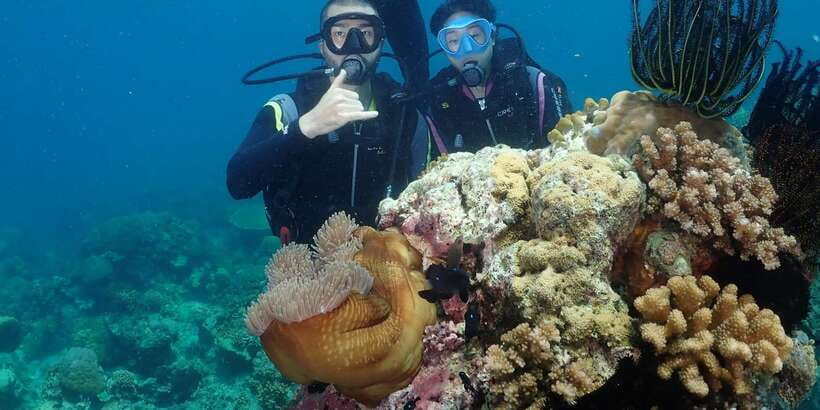
You get a short boat ride to a beginner-friendly underwater site. The ride itself is part of the experience, because you can see Boracay’s white coastline from the water rather than from the crowded promenade.
For first-timers, the boat part has two benefits:
- It reduces how long you spend figuring out gear while bobbing in the waves near shore.
- It gets you to a site that is set up for controlled beginner depth and supervision.
In one less-positive account, a guest mentioned a boat that felt slightly broken and thought the overall service did not match the price. That is not the common theme, but it is worth factoring in: boat transfers are part of the deal, so the condition of the vessel matters to your comfort.
Your first underwater session: typical 6m for beginners, up to 12m max
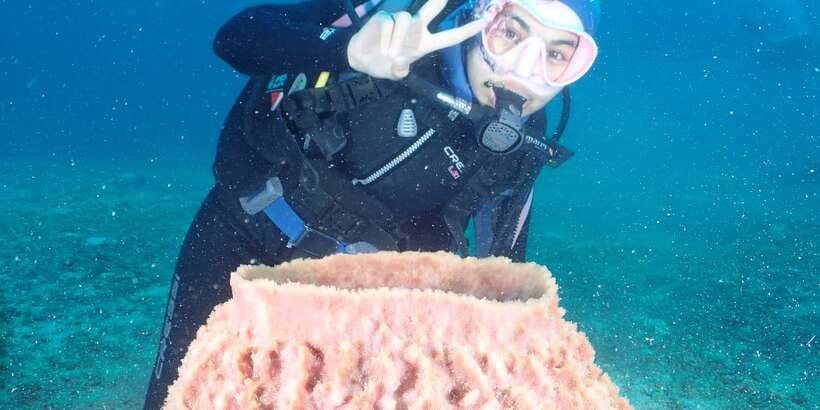
Here is the heart of the day. After the practice stage, you do one guided underwater discovery session with a max depth set for beginners.
What you can expect:
- Typical maximum is around 6 meters (20 feet)
- The stated program maximum for the open-water portion is up to 12 meters (40 feet)
- Underwater time is usually around 30 to 40 minutes (some reports mention around 40 to 50 minutes)
During the session, the guide stays close and points out what you are seeing. You will hover and enjoy that weightless feeling while looking at coral gardens and marine life.
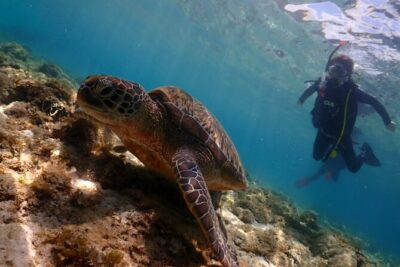
Based on multiple accounts, you might spot colorful fish such as parrotfish and clownfish, and you may even see a turtle depending on conditions. Even if you do not, the practical win is that you learn how calm guidance feels when you are in the water for real.
Also, you are not expected to “perform.” The focus is on basics: controlled breathing, equalizing, staying with your instructor, and enjoying the slow look around.
What’s included at the end: photos/videos and your digital certificate
When you surface, you head back by boat to the beach, then return to the operator’s shop for a quick celebration. You receive a digital certificate of completion for finishing your first DSD session.
You also get complimentary photos and/or videos. In many reports, guests call this a highlight because it turns “I did a thing” into something you can share and remember.
Two practical notes from the experiences you provided:
- Some people loved the results and described strong photo or video quality.
- One guest said the photos were not great and felt the media turnaround and length of clips were rushed.
So, I would treat the included media as a bonus, not the sole reason to book. It is still valuable, and it can be excellent, but it is not guaranteed to be cinematic for every camera operator.
How long is it, and what does the schedule feel like in real time?
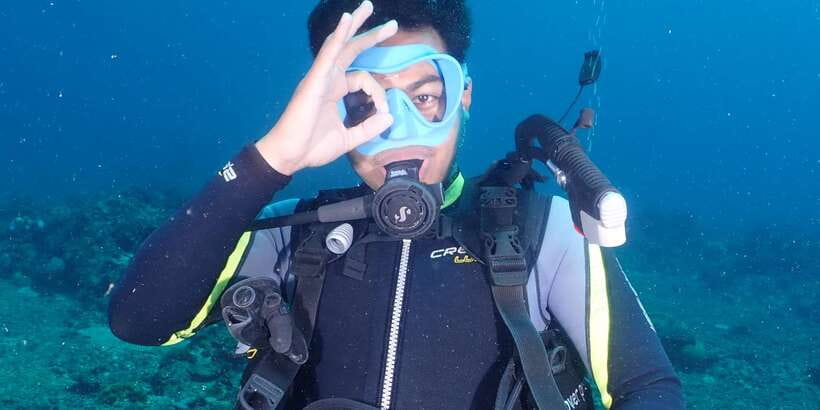
You pick a start time of 9:00 AM or 1:00 PM. The total activity time is listed as about 2 to 3 hours, and the experience duration is commonly described as around 3 hours. That makes this an easy fit between beach plans in Boracay.
The day does not drag because the format is tight: briefing, shallow skill practice, short boat ride, guided underwater session, then return and certificate.
If you are the type who likes a clear schedule, this one is fairly straightforward. If you hate waiting around, you will still want to arrive early enough to handle check-in and gear fit without rushing.
Price and value at $50: what you get for a beginner-first-timer day
At $50 per person, the value comes from what’s included, not from what’s excluded. You get:
- Professional PADI-led instruction and safety briefing
- Confined shallow-water training
- All scuba equipment rental, including BCD, tank, weights, mask, fins, regulator, and wetsuit
- Boat transfers to and from the underwater site
- One guided open-water portion for beginners, typically around 6 meters
- Digital completion certificate
- Complimentary photos and/or videos
And you do not pay extra just to have a basic gear setup. That is usually where beginner costs add up elsewhere.
The one thing to keep realistic is that this is not the same as training toward a full certification. It is a first experience, and the structure is designed to get you comfortable quickly, not to log long deep time.
Who this is best for, and who should skip it
This experience is specifically built for beginners with no prior certification. It is a good fit if you:
- Want a safe, guided “first time” in scuba equipment
- Need structured training for breathing and equalizing
- Prefer close supervision (the guide-to-learner ratio is small)
It may be less of a fit if you fall into the “not suitable” list:
- Children under 10
- Pregnant women
- People with back problems
- People with altitude sickness
- People with pre-existing medical conditions
- Hearing-impaired people
There is also a practical safety timing rule: if you have a flight, you cannot go if you are scheduled within 12 to 24 hours of your last underwater session. That is to reduce risk related to pressure changes.
One more nuance from the experiences you shared: while the written guidance says no children under 10, one family reported doing the experience with a 10-year-old. If you are right at that edge, confirm directly with the operator so you do not build the day around assumptions.
Should you book this Boracay first-time scuba session?
I think this is a strong choice if you want a beginner-first-timer DSD experience with clear training steps, tight supervision, and gear provided end-to-end. The consistent praise is about fundamentals done right, calm instructors, and people leaving feeling safe enough to want more.
Book it if:
- You want to learn breathing and equalizing early, not guess underwater
- You like the idea of photos/videos and a certificate for a first accomplishment
- You want a guided experience that stays around 6 meters for comfort
Maybe skip or ask extra questions if:
- You care deeply about guaranteed camera quality and long video length (media quality can vary)
- You have mobility concerns around boarding or water entry, since boat transfers are part of the day
- You might struggle with the medical and flight timing rules listed above
If you are a first-timer in Boracay, this is the kind of structured introduction that turns curiosity into real comfort, with an instructor watching you like you matter.
FAQ
Do I need prior scuba certification?
No. This experience is designed for beginners with no prior certification.
What time does the experience start, and how long does it take?
You can choose a start time of 9:00 AM or 1:00 PM. The total activity time is about 2 to 3 hours, with the experience listed as around 3 hours.
How deep will I go during the underwater portion?
The program states a maximum depth of 6 meters for the beginner session. It also lists an open-water portion with a maximum of 12 meters, typically kept around 6 meters for beginners.
What scuba equipment is included?
All needed scuba equipment is included: mask, snorkel, fins, wetsuit, regulator, BCD, tank, and weights.
Are photos/videos and a completion certificate included?
Yes. You get complimentary photos and/or videos, and you receive a digital certificate of completion.
Where do I meet the guide in Boracay?
Meet at Astoria Station 1 Beach Front, in front of Tiger Sugar Cafe. Look for the Boracay Adventures guide holding a Get Your Guide sign.
Is hotel pickup or meals included?
No. Hotel pickup and drop-off are not included, and meals are not included.
What safety limits should I know before booking?
You cannot fly within 12 to 24 hours of your last underwater session. It is also not suitable for children under 10, pregnant women, people with back problems, people with altitude sickness, people with pre-existing medical conditions, or hearing-impaired people.
Can I cancel and get a full refund?
Yes. You can cancel up to 24 hours in advance for a full refund.
Freshly added in Boracay
- Learn kitesurfing in Boracay★ 5.0 · 16 reviews
- Boracay Snorkeling & Island Hopping tour★ 3.5 · 21 reviews
- Boracay Zipline Adventure and ATV Tour★ 3.5 · 8 reviews
- Boracay Private Island Hopping Premium with Lunch★ 5.0 · 10 reviews
- Boracay Paraw Sailing★ 5.0 · 3 reviews
- Boracay Parasailing Experience★ 5.0 · 5 reviews
- Boracay Cliff Jumping & Snorkeling Experience (Private)★ 5.0 · 5 reviews
- Boracay ATV Tour and Kawa Hot Bath★ 3.0 · 5 reviews
Scuba Diving, compared.
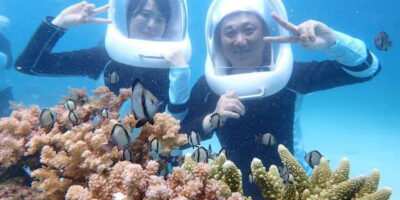
Boracay: Helmet Diving Experience with Photos and Videos
Read our review →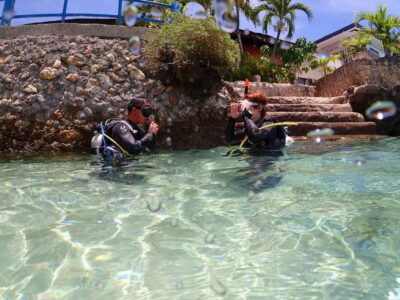
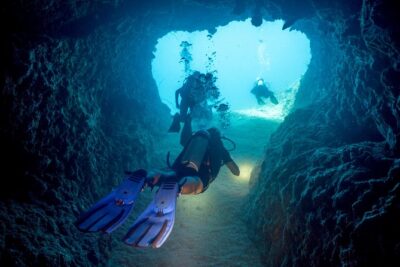
Cebu: Scuba Diving Experience beach entry in Mactan
Read our review →
Boracay: Island Hopping with Crystal Kayak & Helmet Diving
Read our review →
El Nido: Discover Scuba Diving with Manta Rays in Sibaltan
Read our review →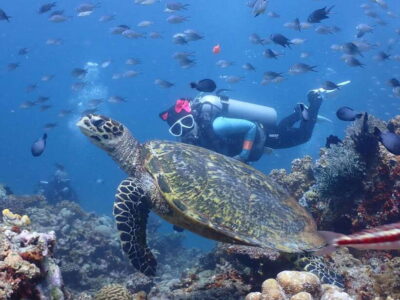
Browse the lists this tour appears in